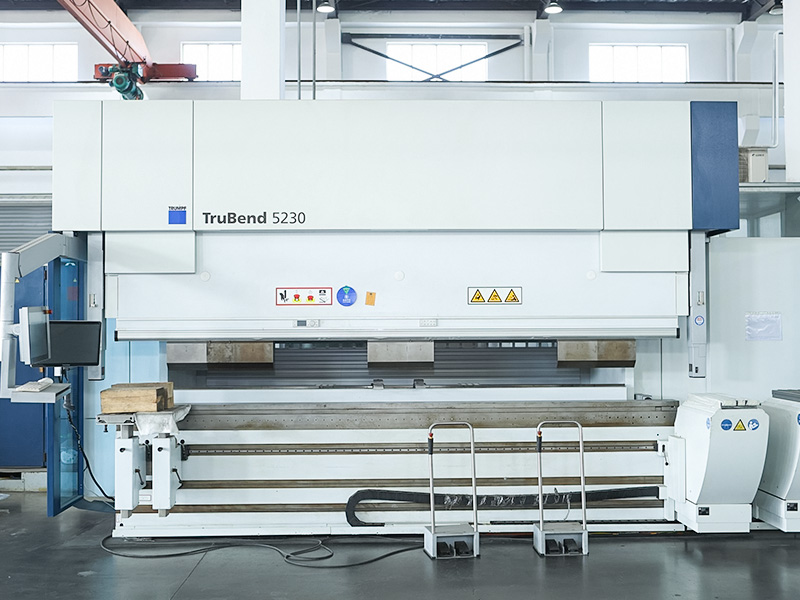
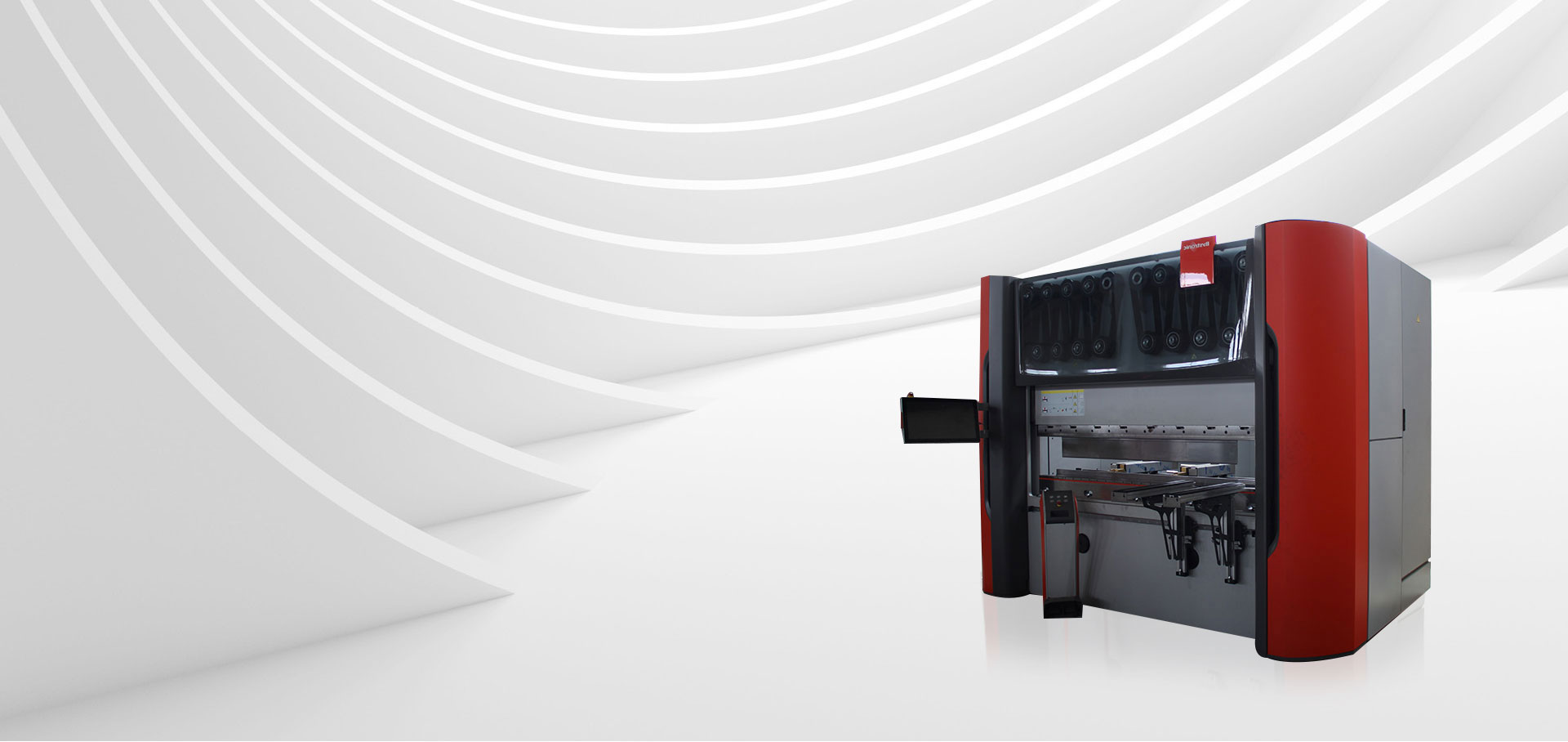
Choose a press brake when your shop bends a wide mix of parts, thick or long material, deep box forms and frequent small batches. Choose a panel bender when you run repeat orders of thin-gauge panel...
Punch Press vs Laser Cutting: The Short Answer
Choose a CNC punch press when you make many parts with repeated holes, forms and features, and choose laser cutting when you need complex outlines, fas...
How a Press Brake Works: The Short Answer
A press brake bends sheet metal by pressing it between an upper tool, the punch, and a lower tool, the die. The sheet sits on the die, a back gauge sets h...
Custom sheet metal fabrication is a build-to-drawing service: you supply the geometry, material, thickness, tolerances and finish, and the fabricator sequences cutting, forming, joining and surface t...
Quick answer: for sheet metal, a fiber laser cutting machine is the standard choice across roughly 0.5 to 20 mm material thickness. It cuts any profile straight from a CAD file with no tooling, a ker...
A fiber laser cutting machine uses a high-power fiber laser source to cut sheet metal with higher speed, cleaner edges, and lower running cost than a CO2 laser on most common fabrication work. If you...
For sheet metal fabrication, a CNC laser cutting machine is the most practical way to turn flat sheet into finished parts with high precision, but the right system is not the one with the highest wat...
Production managers specing out a CNC metal laser cutter usually start with one number: power. After a few months on the floor, the numbers that matter turn out to be different. Cost per part, edge c...
Three quotations sit on the desk of a fabrication shop owner. Each quote is for a sheet metal laser cutting machine, but the laser power ranges from 4 kW to 12 kW, and the prices differ by more than ...
A mounting bracket arrives at the assembly station with all dimensions inside the stated tolerances, but the two bend angles have drifted by a fraction of a degree from the drawing. The part sits fla...









 +86-13771171111 +86-13338110517


 English
 中文简体
 日本語
 Deutsch
 Español
 Bahasa Melayu