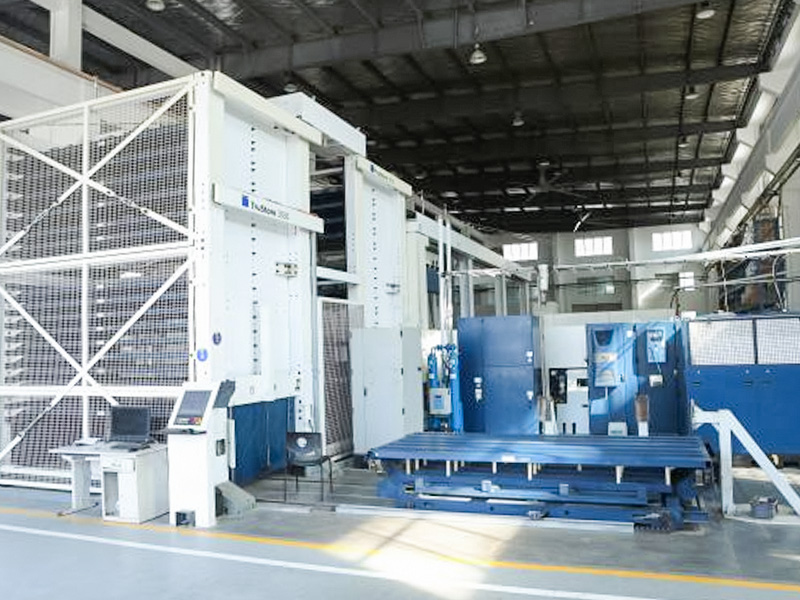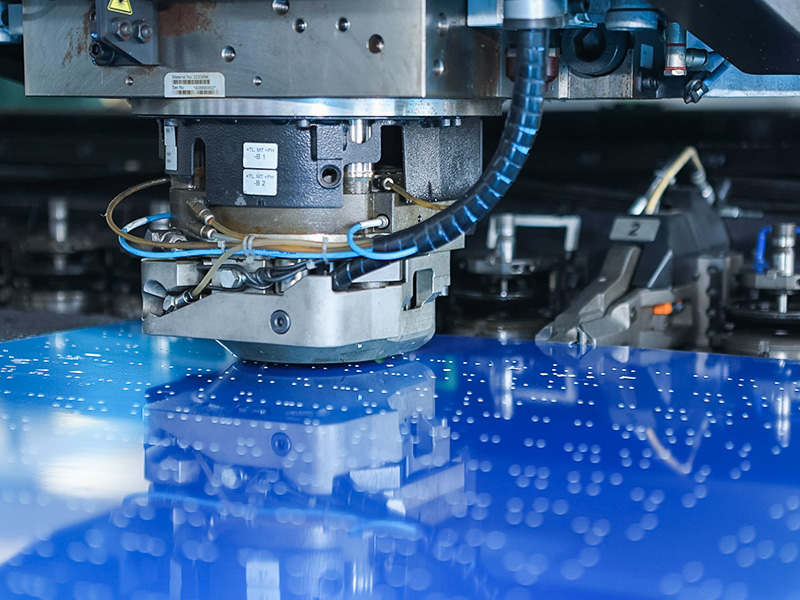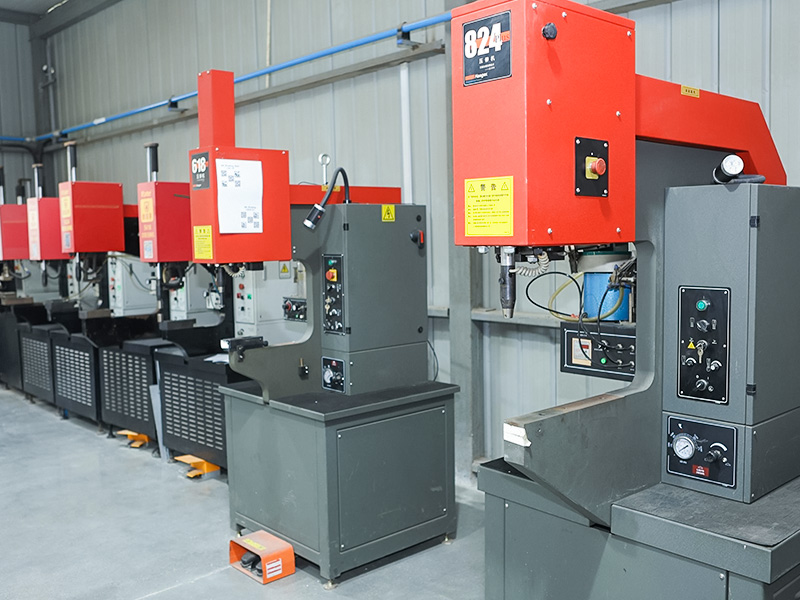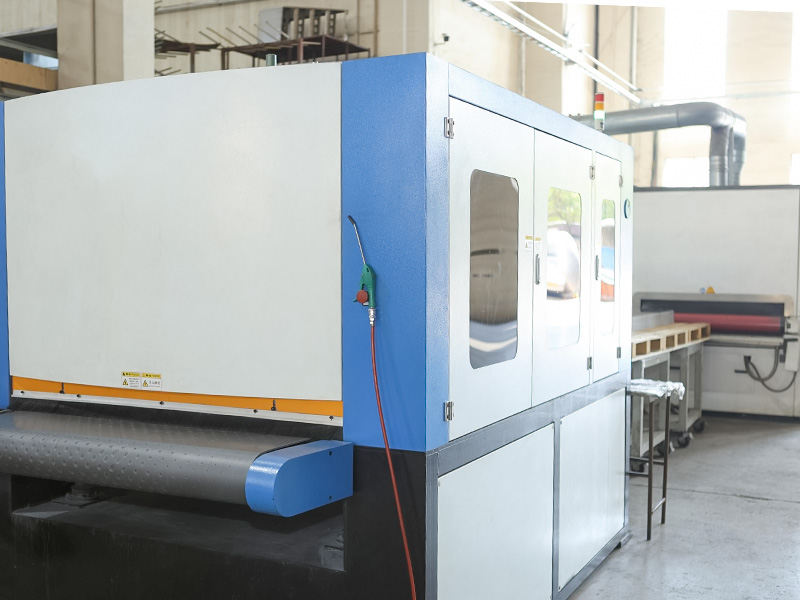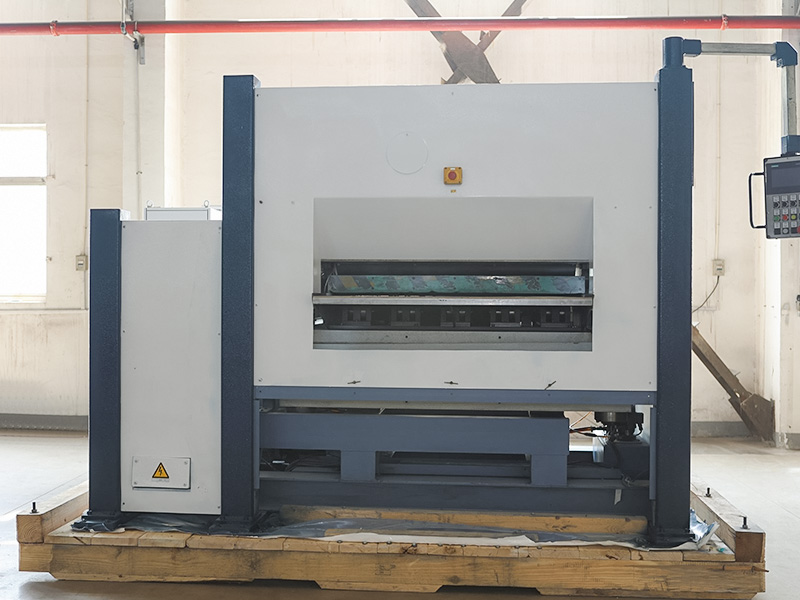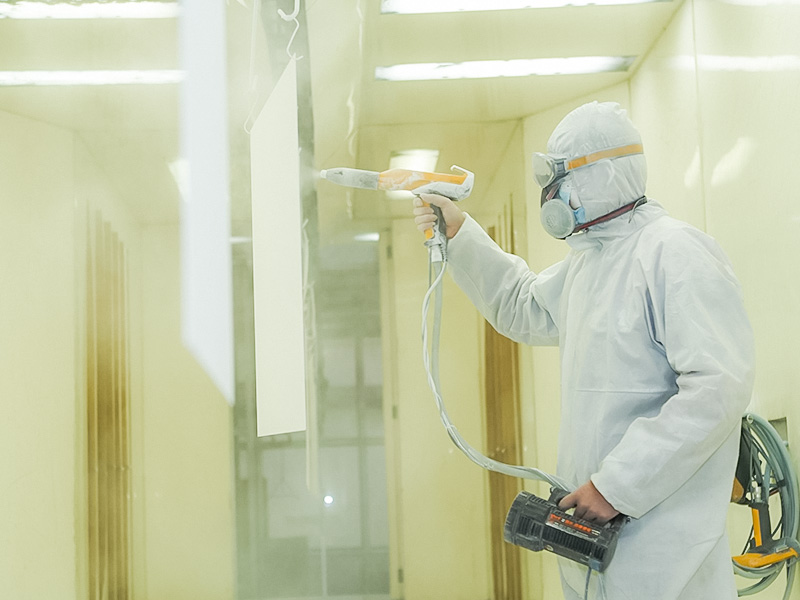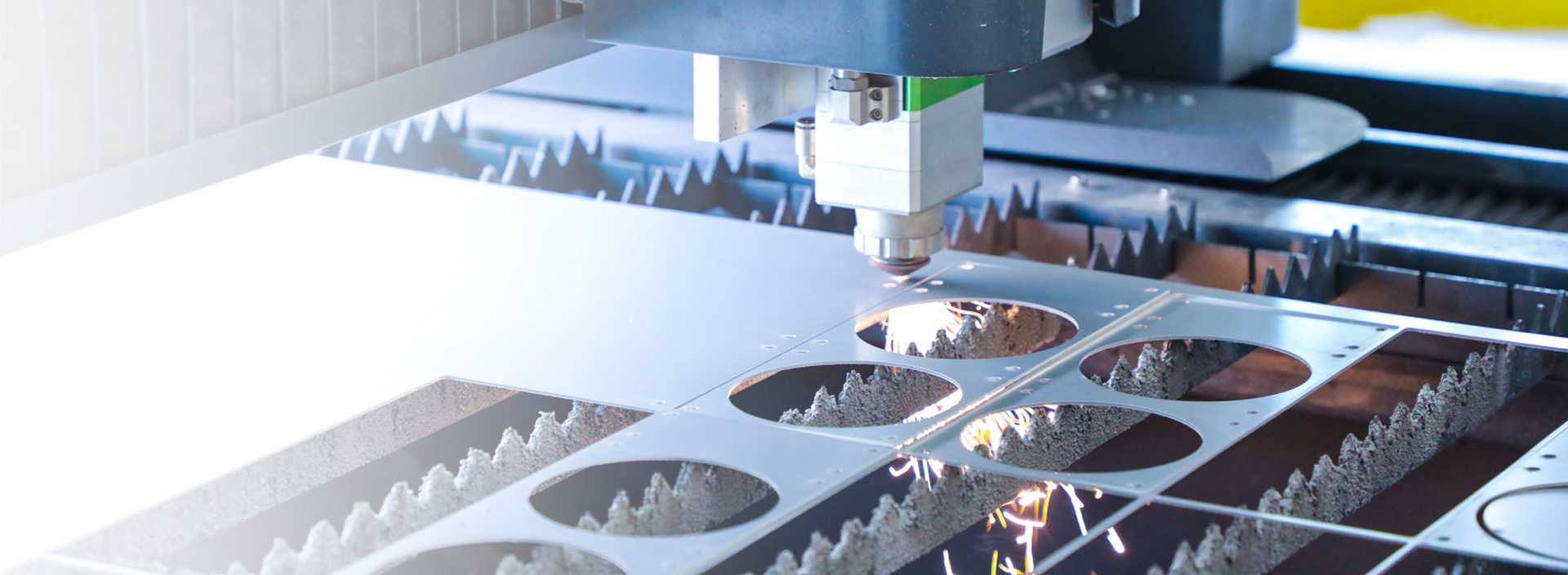
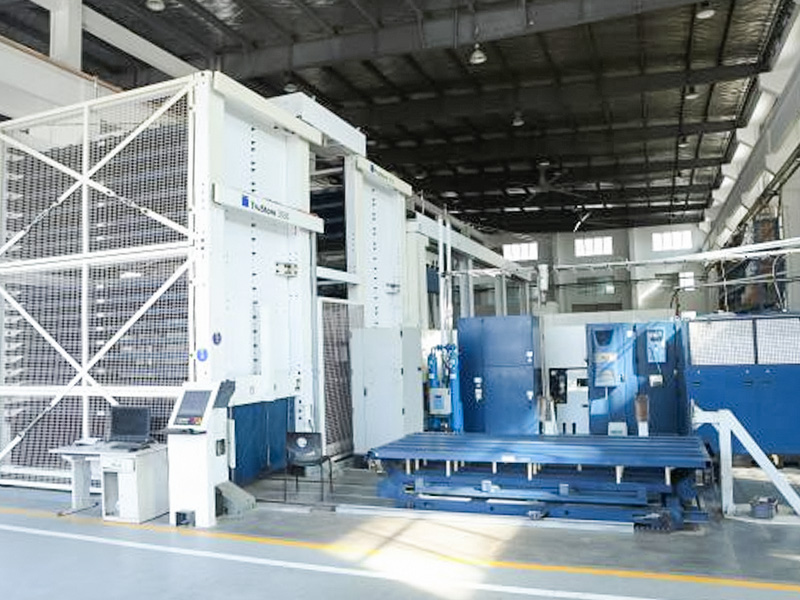
Laser cutting is an advanced technology that utilizes a high-energy-density laser beam to instantaneously melt or vaporize the irradiated area, thereby achieving material cutting. It offers high precision, cutting surface quality, and a minimal heat-affected zone. Our factory's laser cutting machines are equipped with an advanced numerical control (NC) system, enabling precise control over the laser beam's trajectory. With their powerful capabilities, these machines can efficiently cut a variety of materials, including stainless steel, carbon steel, aluminum alloy, and more. The large-format worktables accommodate the processing of workpieces of different sizes. Additionally, the machines integrate functional modules such as automatic chip removal and gas-assisted cutting to ensure stable and continuous cutting operations, significantly enhancing both production efficiency and processing quality. Leveraging these advanced technologies and equipment, our factory serves a wide range of industries, such as machinery manufacturing and sheet metal fabrication, providing customers with high-precision, high-quality cutting and processing services.
| Device Name | Equipment Model | Device Serial Number | Equipment Production Date | Specification Processing Range | Quantity | Remark |
| Fiber Laser Cutter with Integrated Material Tower | TruLaser3030-1 | A1220A2164 | 2016.3.4 | 4kW CO₂ Laser Cutter with 3000mm×1500mm Working Area | 1 | TRUMPF |
| Fiber Laser Cutter with Integrated Material Tower | TruLaser3030-2 | A0221E0549 | 2016.3.4 | 3kW Fiber Laser Cutting Machine - 3000×1500mm Working Area | 1 | TRUMPF |


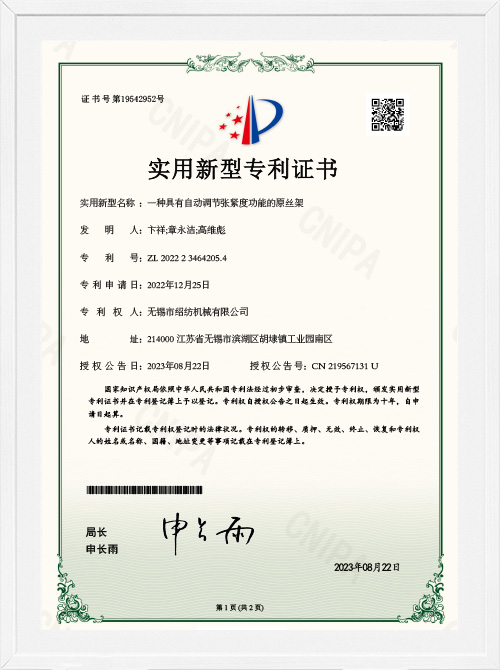
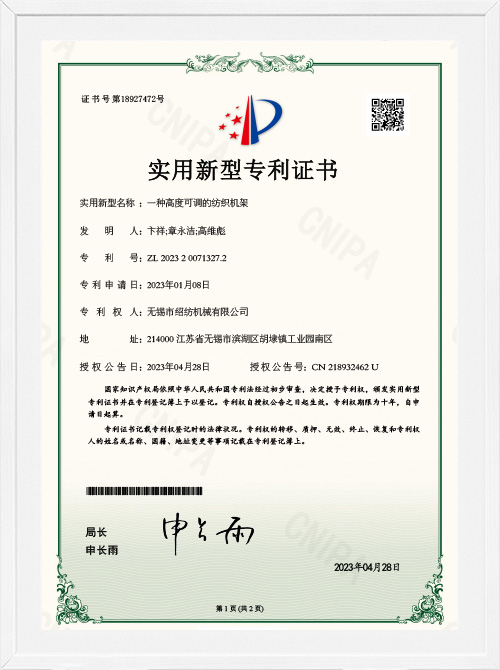
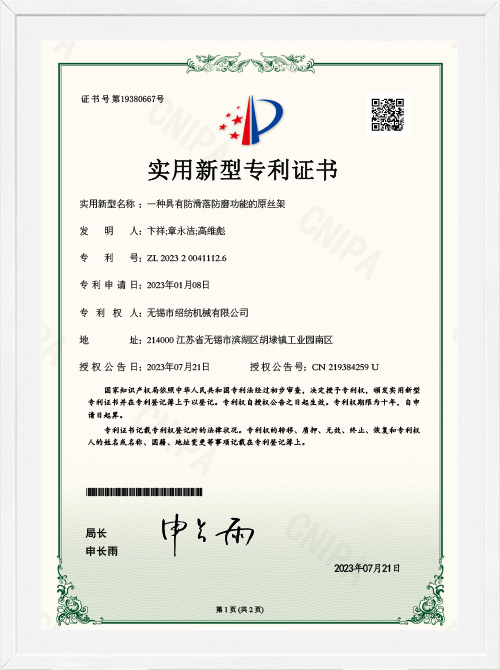
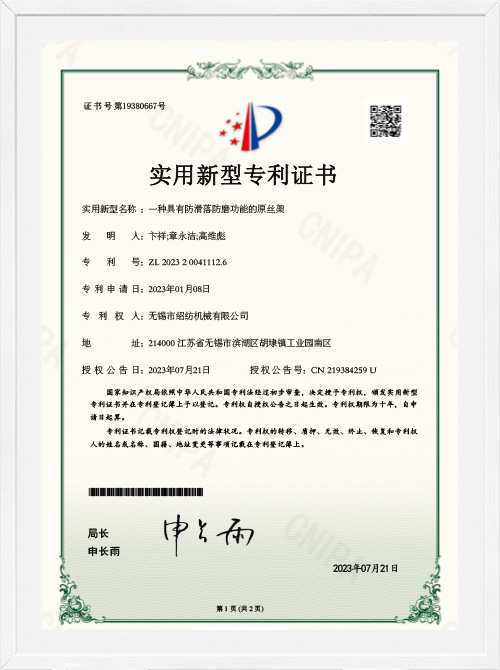
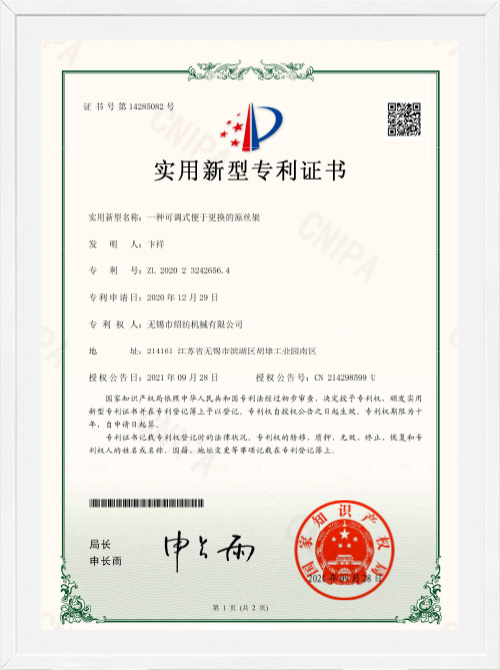
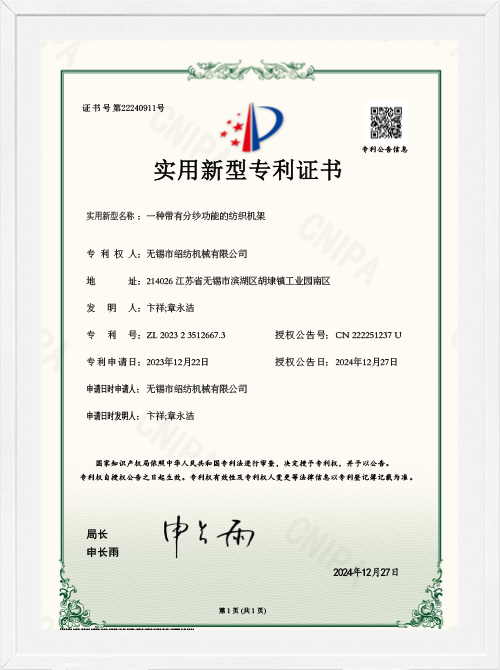
In the landscape of modern manufacturing, the standalone CNC Laser Cutting Machine is no longer the ultimate goal; it is a critical component in a much larger, more sophisticated ecosystem. The true competitive advantage lies in the seamless integration of multiple advanced processes to create a cohesive, end-to-end manufacturing solution. This holistic approach transforms a series of disconnected steps into a streamlined workflow, drastically improving efficiency, precision, and final product quality. For a company specializing in providing complete solutions, such as Wuxi Shaofang Machinery Co., Ltd., this philosophy is at the core of their operations. By combining laser cutting with complementary processes like CNC bending and punching, they can manage a project from raw material to a finished, complex assembly, ensuring every stage is perfectly aligned with the next.
To understand the value of integration, one must appreciate the precision of each individual component. The following table details the key parameters of a CNC Laser Cutting Machine, which is often the starting point of a precision manufacturing workflow.
| Parameter Category | Technical Parameter | Description and Importance |
| Laser System | Laser Type | Includes Fiber, CO₂, YAG. Fiber lasers are the mainstream for metal cutting, offering high efficiency, low maintenance, and excellent beam quality. |
| Laser Power | Determines cutting thickness and speed. Higher power allows for thicker materials and faster cutting rates, typically ranging from 500W to over 15000W. | |
| Beam Quality | Measured by BPP (Beam Parameter Product). Better quality results in a smaller, more focused spot, leading to higher precision and better cut edge quality. | |
| Mechanical System | Machine Structure | The bed structure (e.g., cast, welded, fused) affects stability and vibration resistance. Designs like flying optics or fixed optics impact the processing range and accuracy. |
| Worktable Size | Determines the maximum size of the raw material sheet that can be processed, e.g., 3000mm x 1500mm, 4000mm x 2000mm, etc. | |
| Maximum Positioning Speed | Reflects how fast the machine can move without cutting, impacting overall production efficiency, usually measured in meters per minute (m/min). |
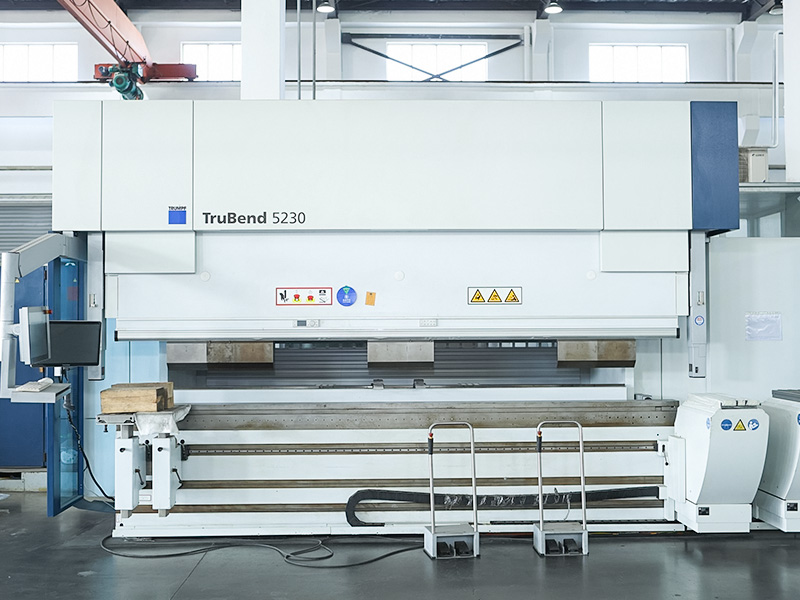
While laser cutting provides unparalleled precision for flat profiles, a complete part often requires three-dimensional forming. This is where complementary machinery becomes essential. A facility equipped with a CNC Laser Cutting Machine, a CNC bending machine, and a CNC punching machine can perform a vast range of operations in-house.
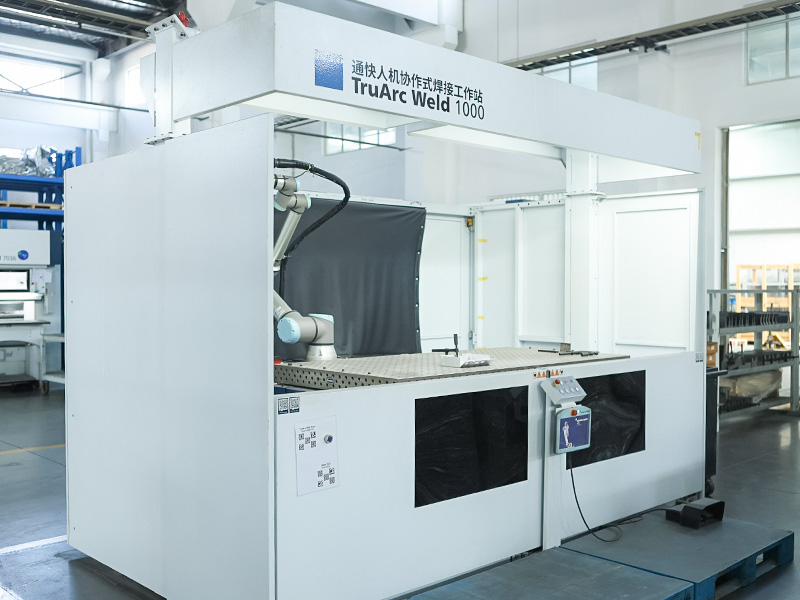
Consider the capabilities of a company like Wuxi Shaofang Machinery Co., Ltd. Founded in 2005, they have cultivated a comprehensive manufacturing environment. Their facility is not just a collection of machines but an integrated system. They operate advanced equipment, including Baichao laser cutting machines, Baichao CNC bending machines, and MURATA CNC punching machines. This diverse arsenal of mechanical processing equipment, combined with professional welding and injection molding services, lays a solid foundation for them to provide efficient, high-quality automation equipment and complete solutions according to customer needs. This integrated approach is the cornerstone of their ability to deliver complex projects with precision and reliability.
The primary advantage is precision and accountability. When a single provider manages both laser cutting and bending, they control the entire dimensional chain. The bending process can be perfectly compensated for the minor variations from the laser cut, ensuring the final part meets exact specifications. This eliminates the blame game between different suppliers and guarantees a higher quality, more consistent final product. It also streamlines logistics, reduces handling damage, and shortens the overall production lead time.
A CNC Laser Cutting Machine is fundamental to custom automation equipment because it enables rapid prototyping and on-demand manufacturing of non-standard parts. Unlike traditional tooling methods which require expensive and time-consuming dies or molds, laser cutting can produce complex, one-off parts directly from a digital file. This agility allows design teams to iterate quickly, test new concepts, and fabricate custom machine frames, guards, and intricate mechanisms with a speed and cost-effectiveness that is impossible with older technologies.
Modern CNC laser cutting machines, especially fiber lasers, are incredibly versatile. They can process a wide range of metals with high efficiency, including carbon steel, stainless steel, aluminum alloys, brass, and copper. The specific thicknesses and cutting speeds vary depending on the material's properties and the laser's power. Beyond metals, CO₂ lasers are well-suited for cutting non-metals such as plastics, acrylic, wood, and textiles, making them a cornerstone of diverse manufacturing sectors.
This depends entirely on your production volume and business focus. Owning a machine involves significant capital expenditure, ongoing costs for maintenance, consumables (gas, nozzles), and requires skilled operators. For companies with consistent, high-volume cutting needs, owning can be cost-effective. However, for most businesses, especially those requiring custom parts or fluctuating production volumes, outsourcing is far more economical. It eliminates overhead, provides access to the latest technology and expertise, and allows you to focus on your core business, much like the services offered by specialized providers.
Quality control after laser cutting is critical to ensure the part is ready for the next manufacturing stage. Key measures include: inspecting the cut edge for smoothness and perpendicularity; checking for any dross (resolidified metal) on the underside; verifying critical dimensions with precise measuring tools (like calipers or CMMs); and ensuring the surface is free from scratches or heat-induced damage. A reputable provider will have standardized quality checks at every step to guarantee the final component meets the required specifications.








 +86-13771171111 +86-13338110517

 English
 中文简体
中文简体 日本語
日本語 Deutsch
 Español
 Bahasa Melayu