Content
The manufacturing industry relies heavily on precision and efficiency in order to meet growing demands and stay competitive. Metal Processing Equipment plays a pivotal role in improving production efficiency across various sectors. This article explores how these machines enhance manufacturing processes, from reducing waste to increasing output. We will also examine key factors that help businesses choose the right equipment, ensuring that production goals are met effectively and economically.
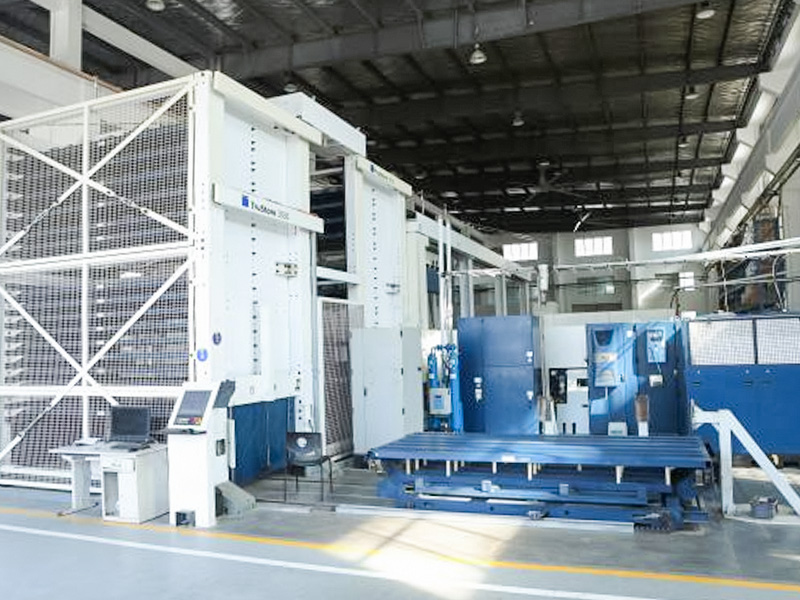
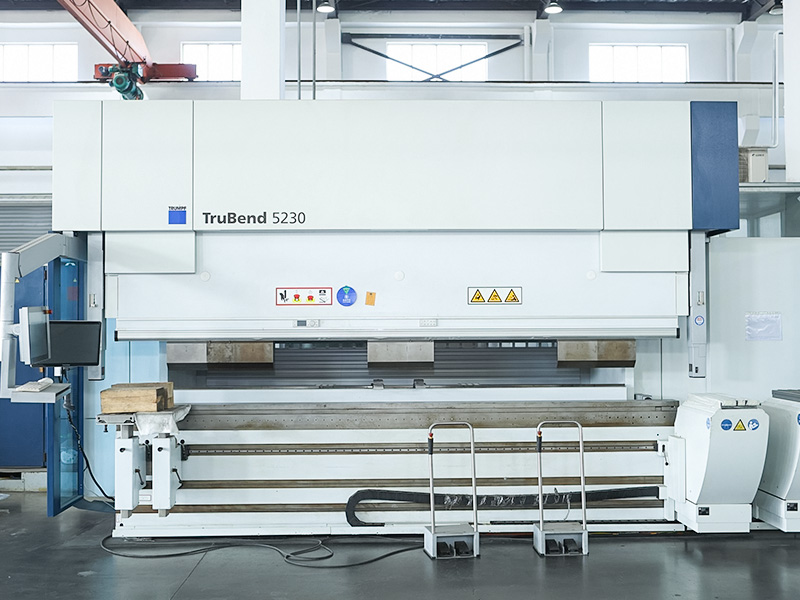
Understanding the role of metal processing equipment in boosting production efficiency requires a detailed look at its applications in manufacturing processes. These machines are designed to enhance productivity, precision, and consistency, which are essential for maintaining high standards in mass production.
Choosing the right metal processing equipment depends on the specific needs of the business, including budget, scale, and industry application. For smaller manufacturers or businesses just entering the market, cost-effective solutions are a priority, while larger enterprises may focus on machines that offer more advanced features and higher throughput.
For small businesses, the primary challenge is balancing budget constraints with the need for efficient, reliable equipment. It is crucial to select equipment that maximizes efficiency without exceeding financial limits. Choosing affordable metal processing equipment that still provides sufficient power and functionality is key to growing production capacity without significant upfront investment.
| Feature | Affordable Equipment | Advanced Equipment |
| Cost | Lower initial cost | Higher upfront cost |
| Efficiency | Moderate efficiency | High efficiency, better performance |
| Maintenance | Higher maintenance cost | Lower long-term maintenance |
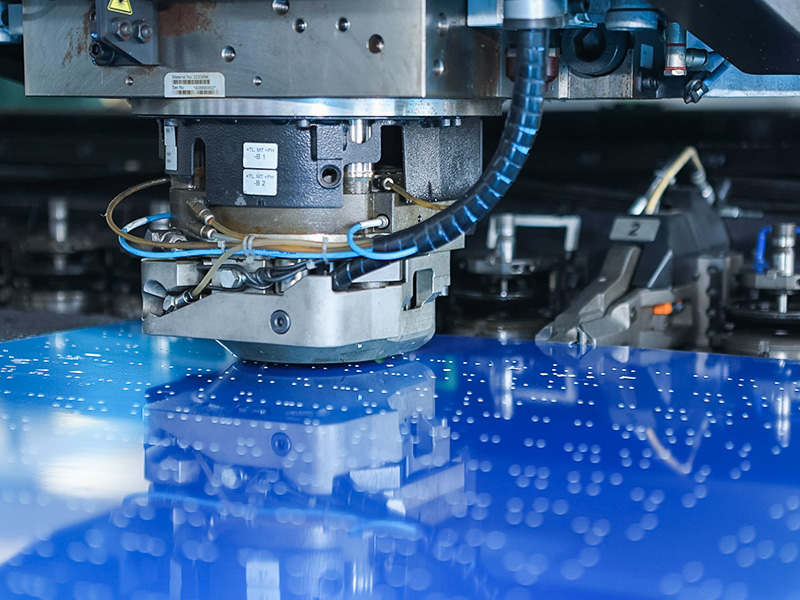
The right choice of metal processing equipment can drastically improve production efficiency in various ways. High-quality machines ensure precision in manufacturing, significantly reducing errors and minimizing waste, which contributes directly to the bottom line.
Metal processing equipment ensures consistent, high-quality outputs. With automated precision, the equipment reduces human errors and enhances the uniformity of products, which is crucial for industries like automotive and aerospace, where even the slightest inconsistency can lead to defects.
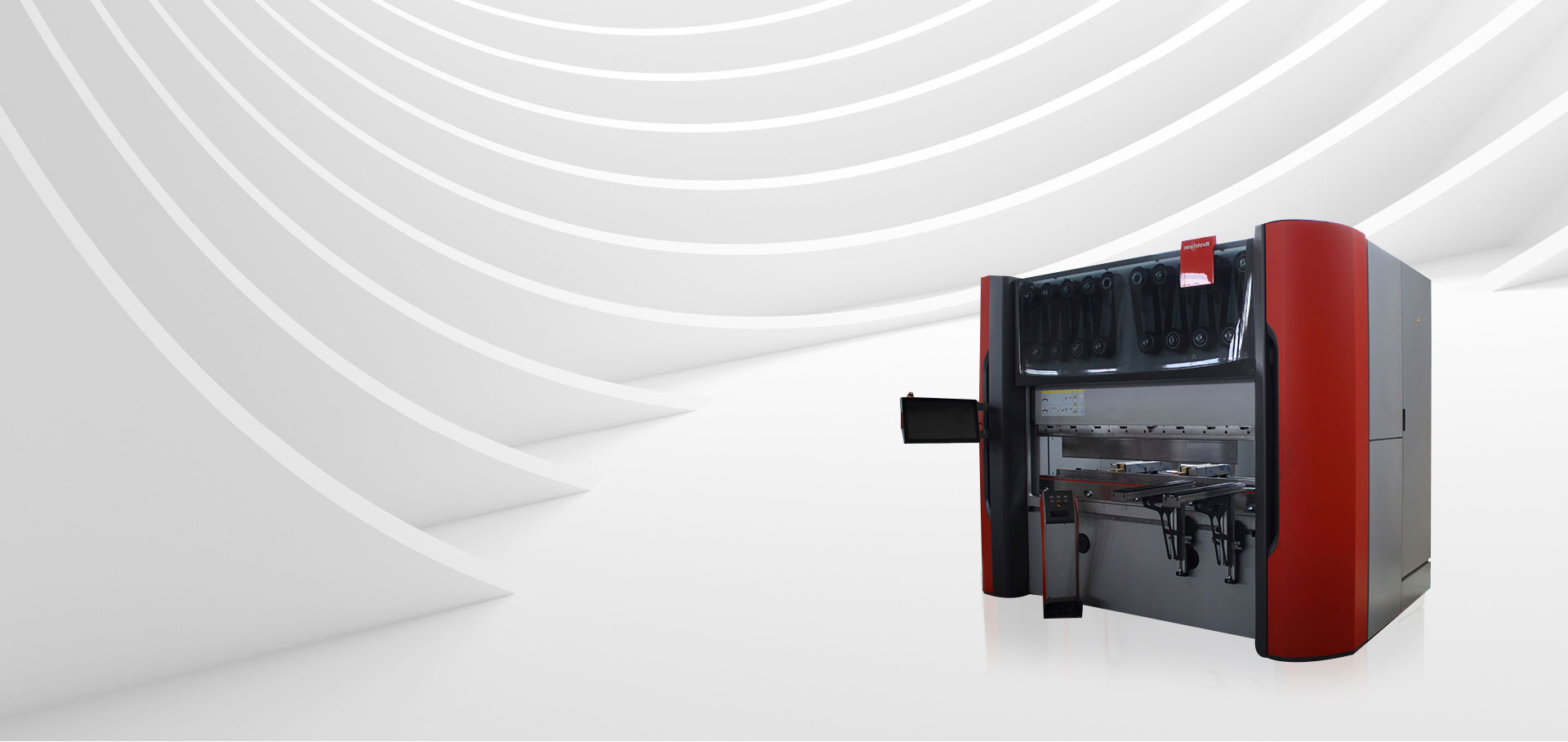
Modern equipment incorporates automation, such as robotic arms and computer numerical control (CNC), which increases production speed while maintaining high accuracy. This is where Best Metal Processing Equipment for CNC Machines can help speed up production cycles by automating complex tasks.
Proper maintenance of metal processing equipment is crucial to ensure its longevity and sustained high performance. Regular maintenance not only improves efficiency but also prevents downtime, which can significantly disrupt the manufacturing process.
To keep equipment running at optimal levels, businesses must adhere to regular maintenance schedules. Cleaning, lubrication, and calibration are just a few examples of simple maintenance tasks that can extend the lifespan of metal processing machines, reducing costly repairs in the long term.
In large-scale manufacturing environments, high-efficiency metal processing equipment is essential to maintain high output levels. Mass production requires equipment that not only operates at peak efficiency but also integrates seamlessly into the larger production process.
High-efficiency metal processing equipment for mass production typically offers faster processing speeds, enabling manufacturers to produce large quantities of parts in shorter periods. This results in significant cost savings and improved turnaround times for customer orders.
The automotive industry benefits immensely from the precision and efficiency of metal processing equipment. Automated systems allow for high-volume production of components such as engine parts, chassis, and body panels, all of which require exacting standards and consistency in production.
The future of metal processing equipment is likely to see further advancements in automation, artificial intelligence, and machine learning, all of which will continue to drive efficiency in the manufacturing process. As manufacturers adopt these new technologies, the cost of production will continue to decrease, while the quality and speed of output will increase.
Investing in the right equipment, coupled with proper maintenance and continuous adaptation to technological advancements, will ensure that businesses can stay ahead in an increasingly competitive industry.
Metal processing equipment enhances efficiency by automating tasks, improving precision, and reducing production errors and waste, leading to faster production cycles and higher consistency.
Small businesses should focus on affordable equipment that provides a balance between cost-effectiveness and essential functionalities, allowing them to increase output without overextending their budget.
Regular maintenance tasks such as cleaning, lubrication, and calibration are essential for ensuring that your equipment operates at peak efficiency and lasts longer.
When selecting equipment for mass production, focus on speed, scalability, and the ability to integrate into your production line seamlessly to maintain high throughput.
High-efficiency equipment improves speed, reduces energy consumption, and helps streamline production processes, all of which are essential for large-scale manufacturing environments.













 +86-13771171111 +86-13338110517

 English
 中文简体
中文简体 日本語
日本語 Deutsch
 Español
 Bahasa Melayu