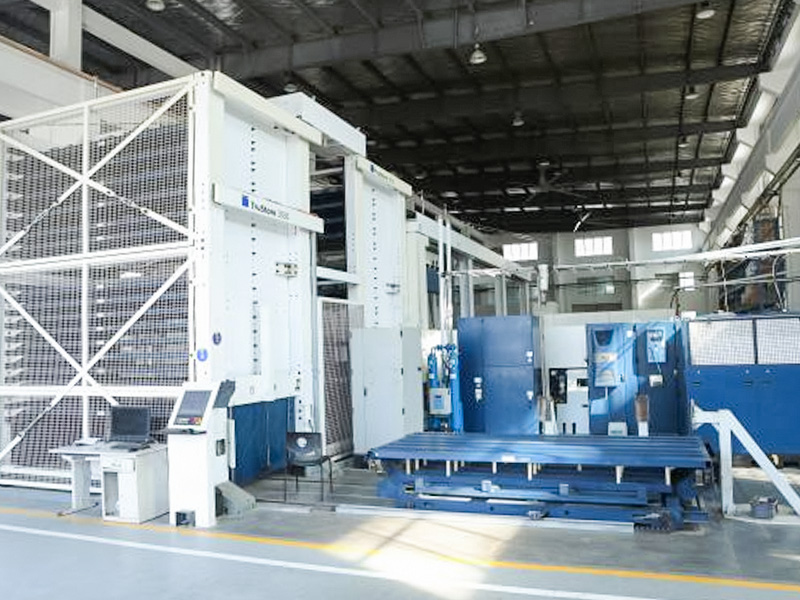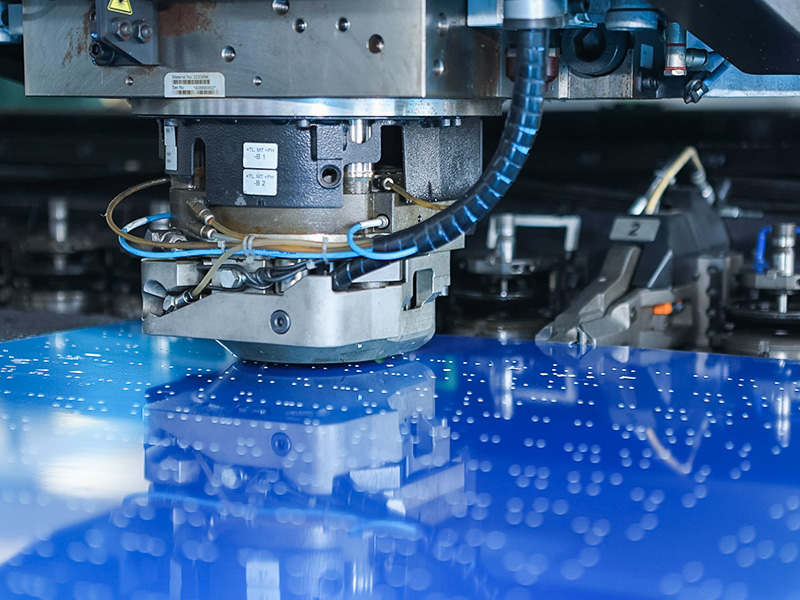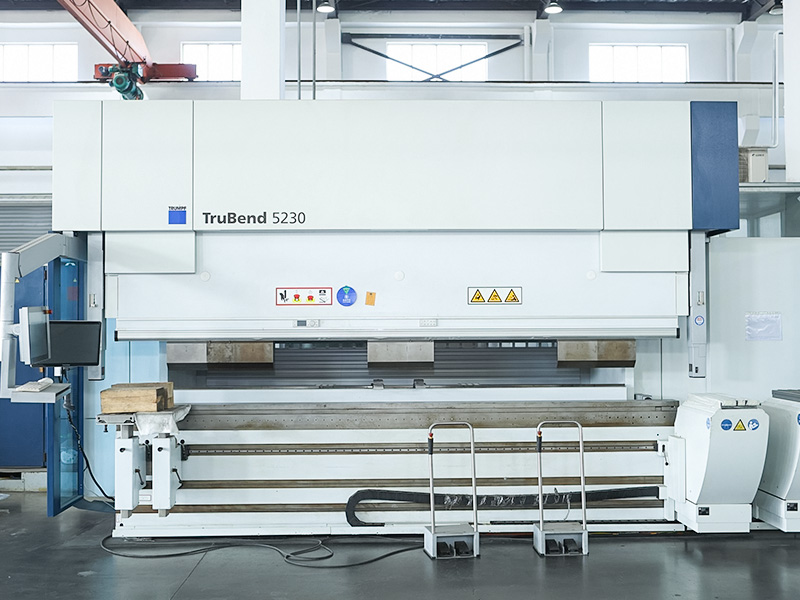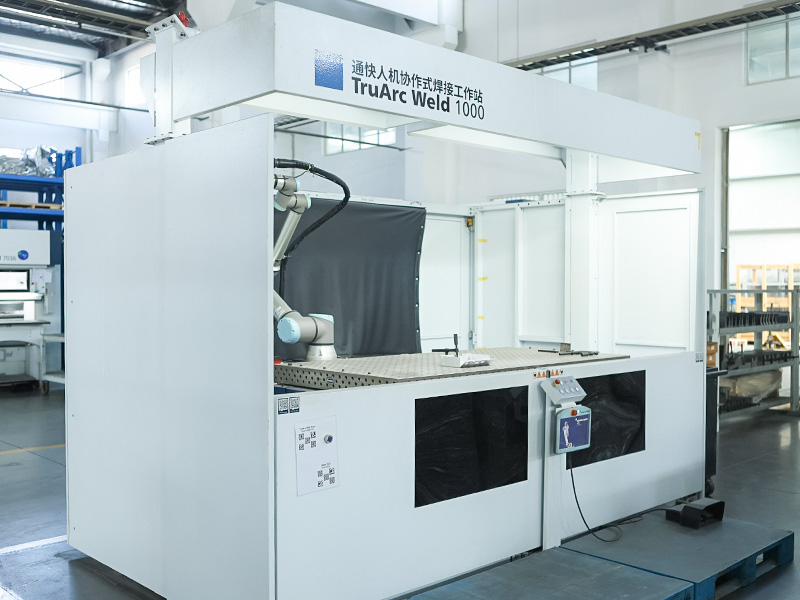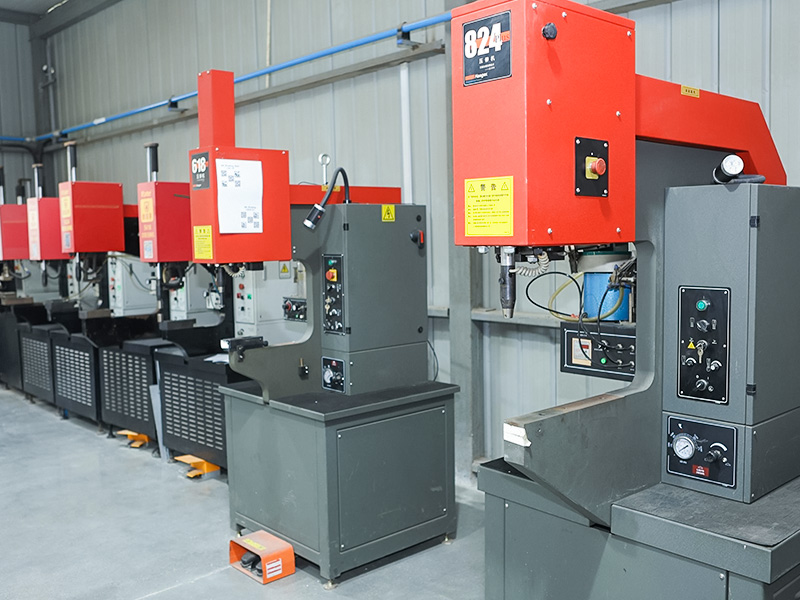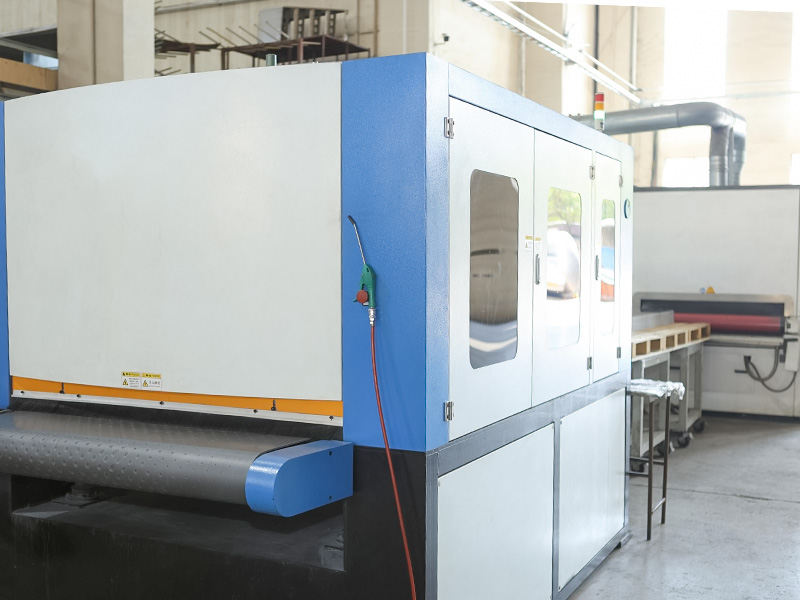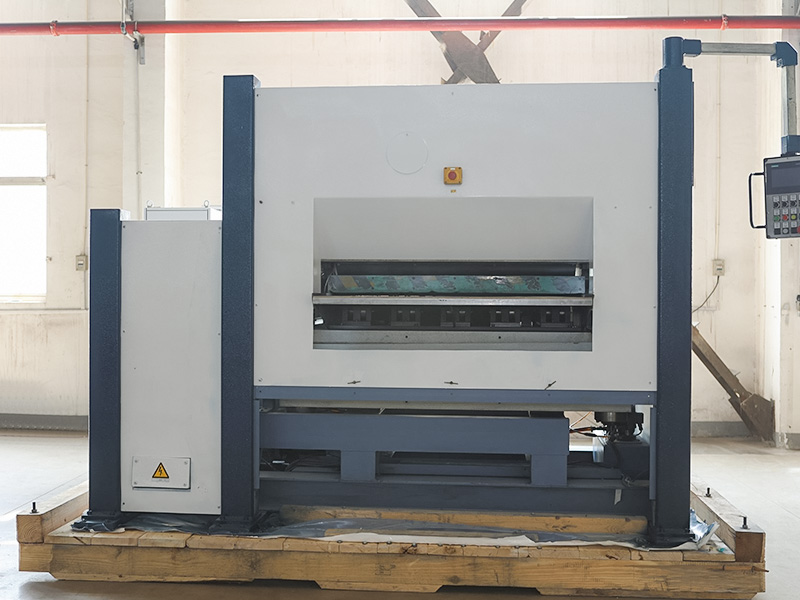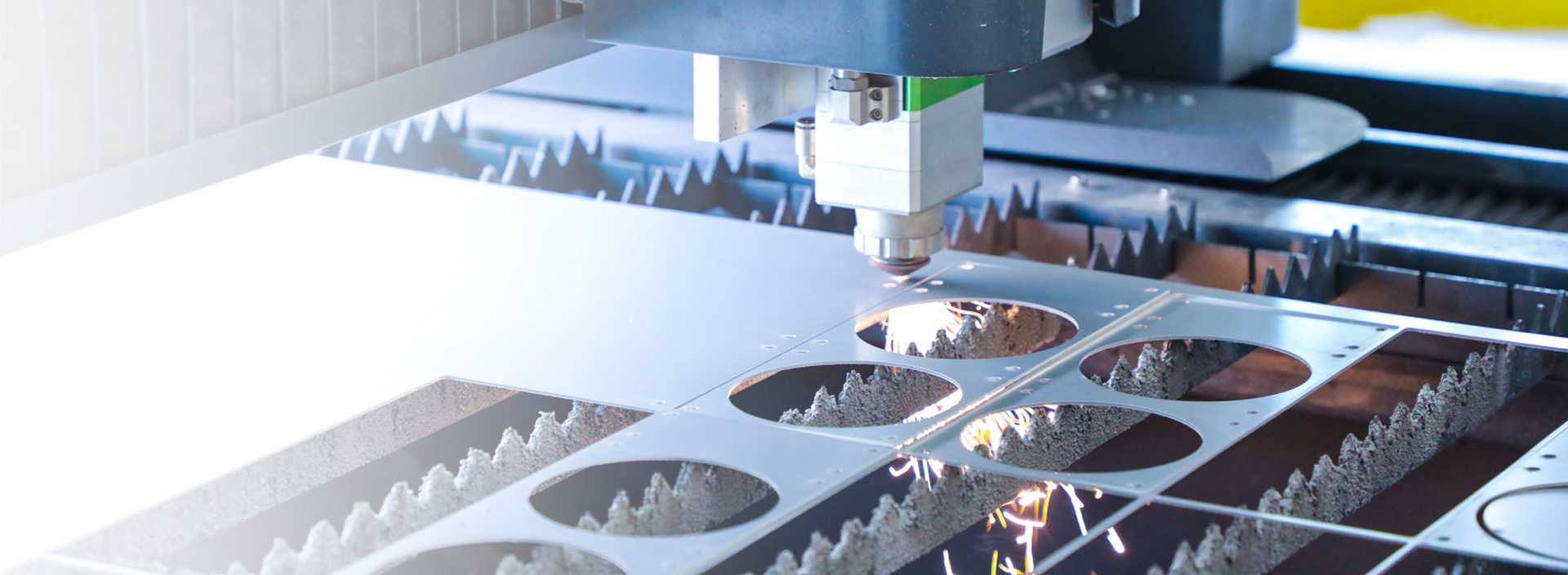
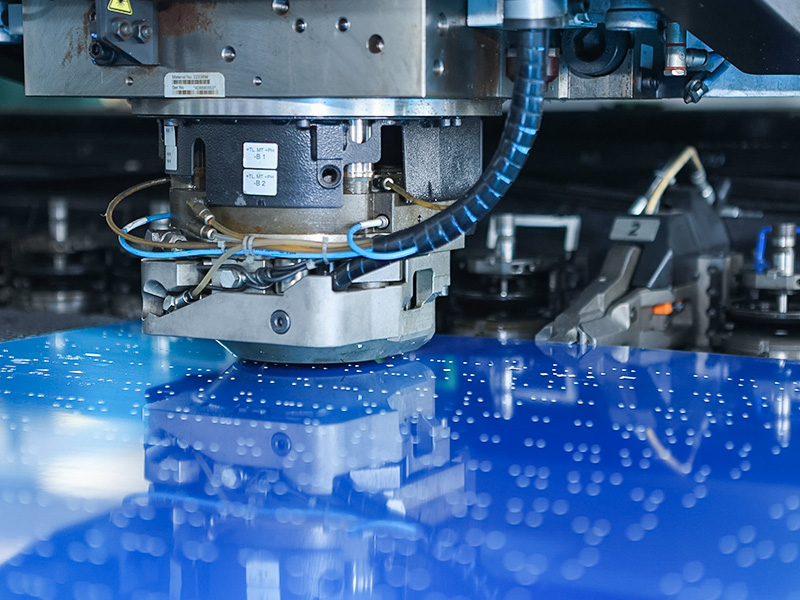
Punch press is a processing equipment that separates or forms materials such as sheets through pressure, and occupies an important position in industrial production. Our company has advanced punching machine technology and the machine has a high rigid body structure, which can effectively reduce deformation during stamping and ensure processing accuracy. Its transmission system has been carefully designed, with stable and efficient power transmission, and can achieve fast and accurate stamping actions. Equipped with an advanced CNC system, it is convenient to operate and can accurately control the parameters such as the punch stroke, speed, and pressure to meet diverse processing needs. From the functional application, it can be used in various processes such as punching, blanking, bending, and deep drawing. In terms of material processing, it can handle various metal plates including ordinary steel plates, stainless steel plates, aluminum plates, and some non-metal plates. It serves widely in the industries of automobile manufacturing, electronic equipment, home appliance manufacturing, hardware products, etc., and provides efficient and high-quality stamping processing solutions for the production of various parts, helping customers improve production efficiency and product quality.
| Device Name | Equipment Model | Device Serial Number | Equipment Production Date | Specification Processing Range | Quantity | Remark |
| Auto-feeding CNC Turret Punch Press | TruPuncn5000-2 | A0060D0924 | 2023 | 3 meters × 1.5 meters | 1 | TRUMPF |
| Auto-feeding Multi-process Punching Machine | Trumatic 7000 | A0150A0011 | 2008 | 3 meters × 1.5 meters | 1 | TRUMPF |
| Auto-feeding Multi-process Punching Machine | Trumatic 1000 | A1111D0162 | 2018.08 | 3 meters × 1.25 meters | 1 | TRUMPF |
| Device Category | The Name of the Device | Power |
| Punch Series | TruMatic6000 Ball bearing | 76KVA |
| Punch Series | TruMatic6000 Brush | 79KVA |
| Punch Series | TruMatic5000R (Dmall) | 29KVA |
| Punch Series | TruMatic5000R (Big) | 29KVA |
| Punch Series | TruMatic6000L (No knife) | 79KVA |
| Punch Series | TruMatic6000L (There's a knife) | 82KVA |
| Punch Series | TruMatic6000L (Brush) | 79KVA |
| Punch Series | TruPunch5000 | 38KVA |
| Punch Series | TruMatic500 | 17KVA |
| Punch Series | Murata 2048 | 20KVA |
| Punch Series | Murata 2558 | 20KVA |
| Punch Series | RAIN Punches | 20KVA |


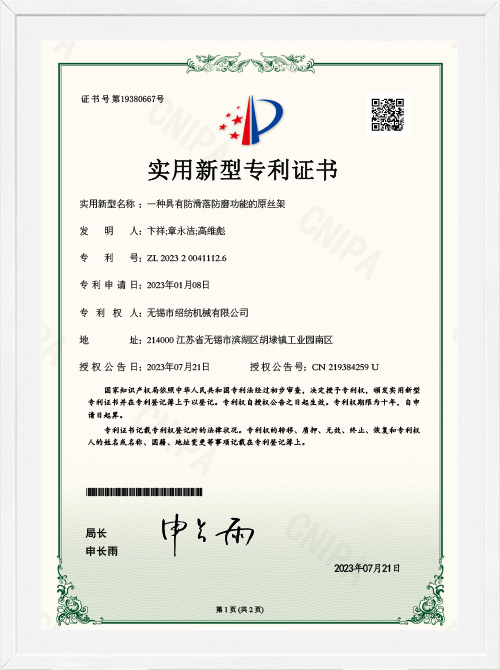
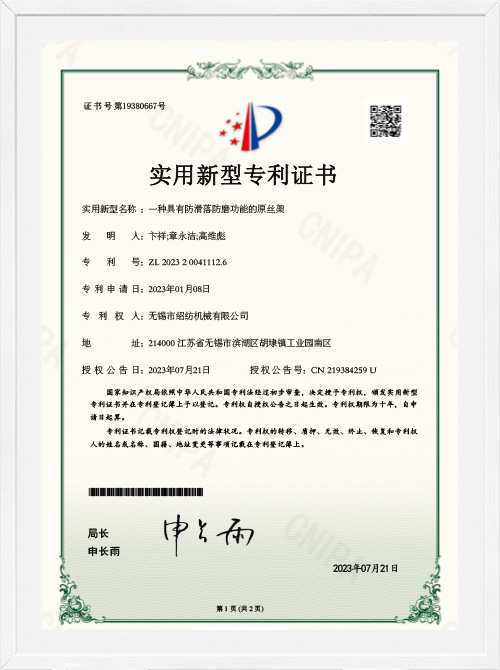
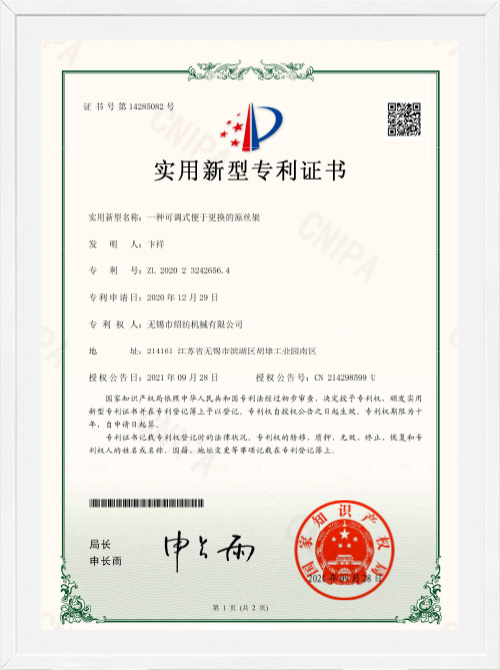
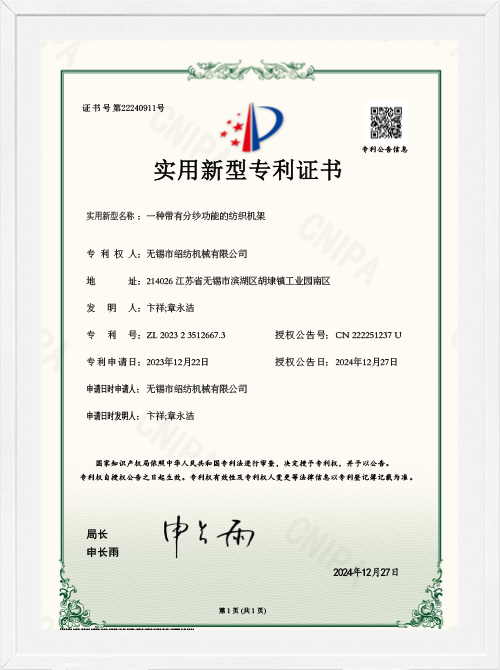
A high precision punch press is an advanced type of stamping equipment designed to deliver accurate, consistent, and efficient material processing. Unlike standard punch presses, which primarily focus on basic punching and blanking functions, high precision punch presses are engineered with enhanced structural rigidity, precise transmission systems, and advanced CNC controls. These features allow for greater accuracy, faster operation, and adaptability to complex production requirements.
The main difference lies in the combination of mechanical design, automation, and control systems, which enables the high precision punch press to meet the rigorous demands of modern industrial manufacturing. Industries such as automobile manufacturing, electronics, home appliances, and hardware production benefit significantly from these capabilities, where part tolerances and repeatability are critical.
The structural design of a high precision punch press emphasizes minimizing deformation during the stamping process. Its frame is built from high-strength materials with reinforced support, ensuring the machine can withstand high pressures while maintaining dimensional accuracy. In contrast, standard punch presses often use less robust construction, which can result in slight deflections during heavy-duty operations, affecting precision and repeatability.
Key features of a high precision punch press include:
These mechanical enhancements allow the high precision punch press to perform tasks that standard machines cannot execute consistently, such as fine blanking, micro-punching, and precision bending.
A high precision punch press is equipped with advanced CNC (Computer Numerical Control) systems that enable operators to control the punch stroke, speed, and pressure with high accuracy. This level of control is particularly important for industries that require strict dimensional tolerances or variable production specifications. Standard punch presses, by comparison, may rely on manual adjustments or less sophisticated control systems, which can limit their flexibility and repeatability.
With CNC integration, the high precision punch press offers:
These capabilities ensure that production processes are efficient, precise, and less dependent on operator skill, making the equipment suitable for high-volume manufacturing environments.
One of the most significant differences between a high precision punch press and a standard punch press is the range of materials it can handle with consistent accuracy. A high precision punch press can process ordinary steel plates, stainless steel, aluminum, and even certain non-metal plates without compromising precision. The combination of rigid structure and CNC control allows for uniform punching, bending, blanking, and deep drawing, which is critical for complex or high-tolerance components.
| Feature | High Precision Punch Press | Standard Punch Press |
|---|---|---|
| Material compatibility | Wide range including metals and non-metals | Limited to standard metals |
| Tolerance control | High, suitable for precision parts | Moderate, suitable for general parts |
| Stamping operations | Punching, blanking, bending, deep drawing | Basic punching and blanking |
| Automation | Advanced CNC control with programmable options | Manual or semi-automated controls |
| Production flexibility | High, supports variable production runs | Limited, best for repetitive tasks |
This table illustrates how a high precision punch press provides versatility and accuracy that standard machines cannot match.
High precision punch presses are widely used in sectors where product quality and manufacturing efficiency are paramount. For example:
The ability to maintain consistent dimensions and surface quality reduces rework and material waste, contributing to higher productivity and lower production costs.
Companies like Wuxi Shaofang Machinery Co., Ltd. integrate various precision machining, heat treatment, assembly, and injection molding technologies to produce components for high precision punch presses. For example, the use of CNC machining centers and laser cutting machines ensures component accuracy, while heat treatment technologies improve durability and wear resistance.
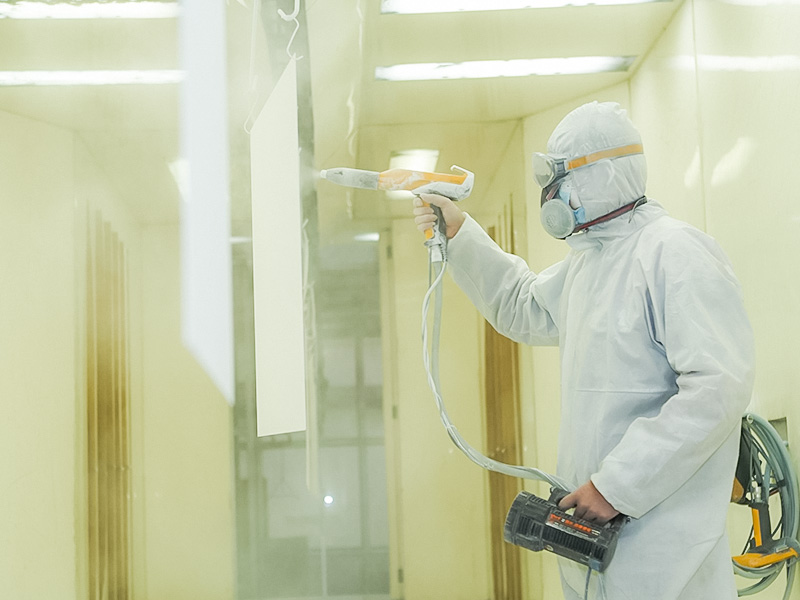
In addition, careful assembly and quality testing guarantee that each high precision punch press operates at its optimal performance, meeting customer requirements for reliability and efficiency. Injection molding and secondary processing technologies, such as ultrasonic welding or spray painting, further enhance component quality and functional performance.
Although high precision punch presses are designed for durability, regular maintenance is crucial to maintain accuracy. Key aspects include:
Compared to standard punch presses, these machines may require more specialized maintenance, but the improved performance and precision often justify the investment.
When choosing a high precision punch press, buyers should consider several factors:
Evaluating these factors helps ensure that the selected machine aligns with production goals and quality standards.
Q1: What industries benefit most from a high precision punch press?
High precision punch presses are widely used in automotive, electronics, home appliances, and hardware manufacturing.
Q2: Can a high precision punch press process non-metal materials?
Yes, these machines can handle certain non-metal plates, in addition to steel, stainless steel, and aluminum.
Q3: How does CNC control improve the performance of a high precision punch press?
CNC control enables accurate control of stroke, speed, and pressure, ensures repeatable operations, and reduces dependence on operator skill.
Q4: What maintenance is required for a high precision punch press?
Regular lubrication, CNC calibration, and tooling inspection are essential to maintain machine accuracy and extend its service life.
Q5: How does a high precision punch press differ from a standard punch press in production flexibility?
High precision punch presses support variable production runs and complex operations, whereas standard punch presses are better suited for repetitive, less demanding tasks.













 +86-13771171111 +86-13338110517

 English
 中文简体
中文简体 日本語
日本語 Deutsch
 Español
 Bahasa Melayu