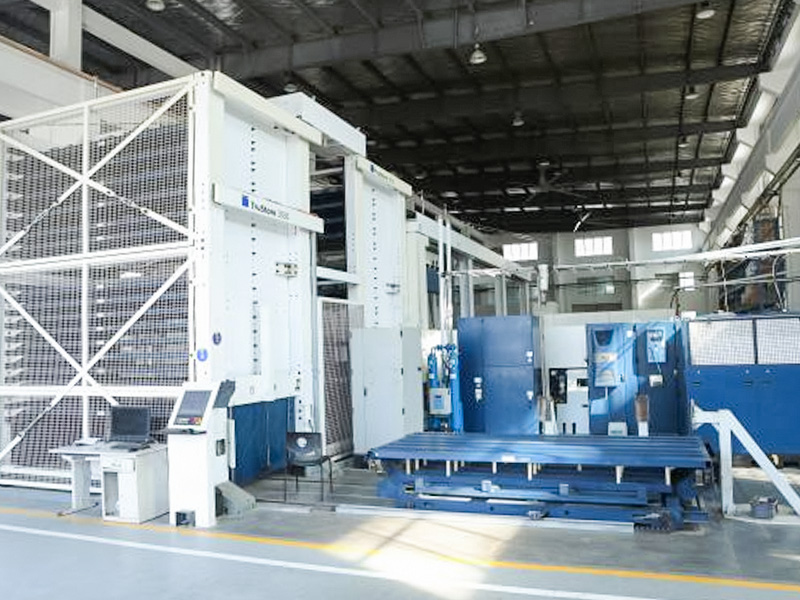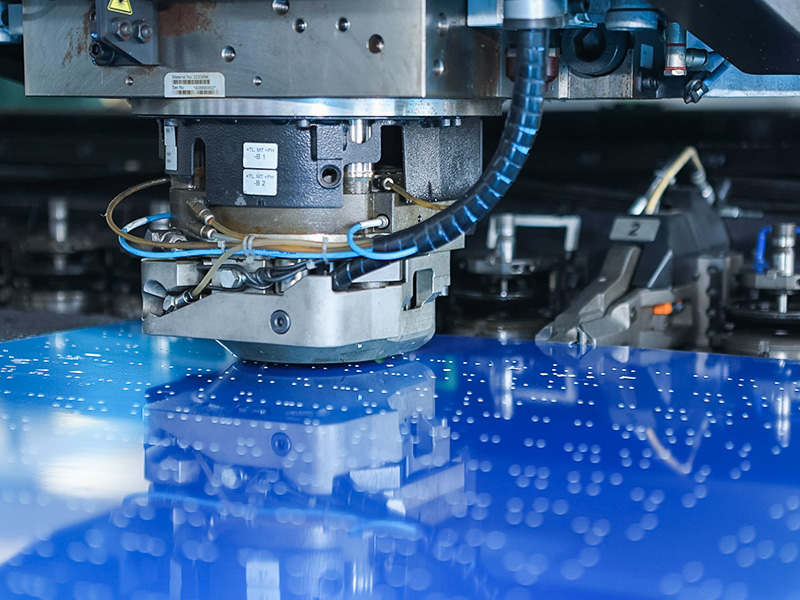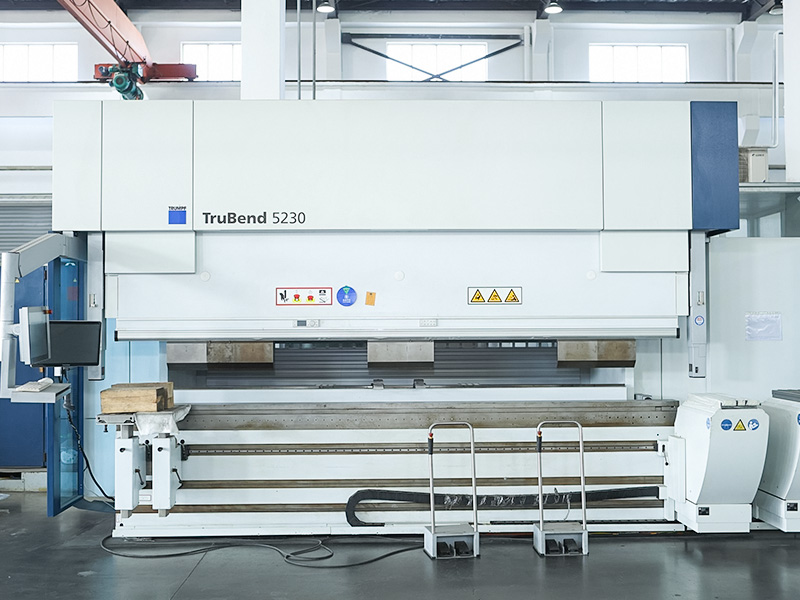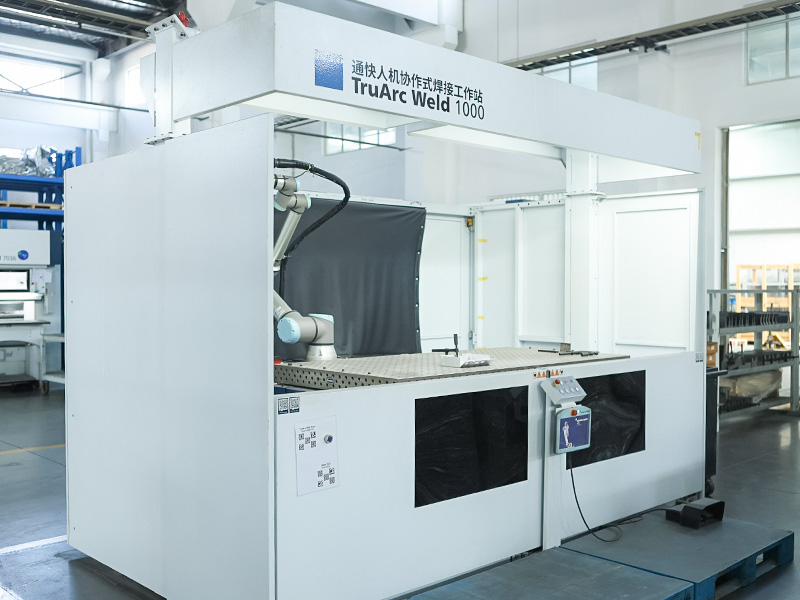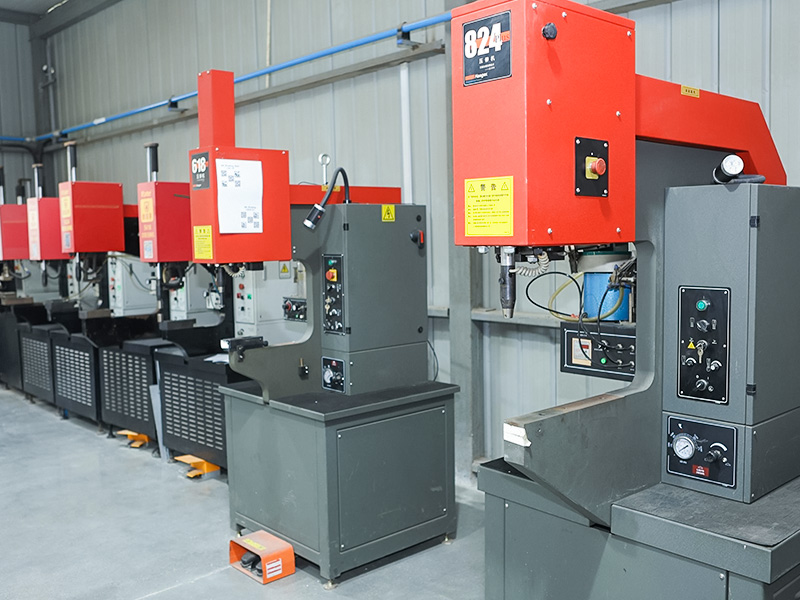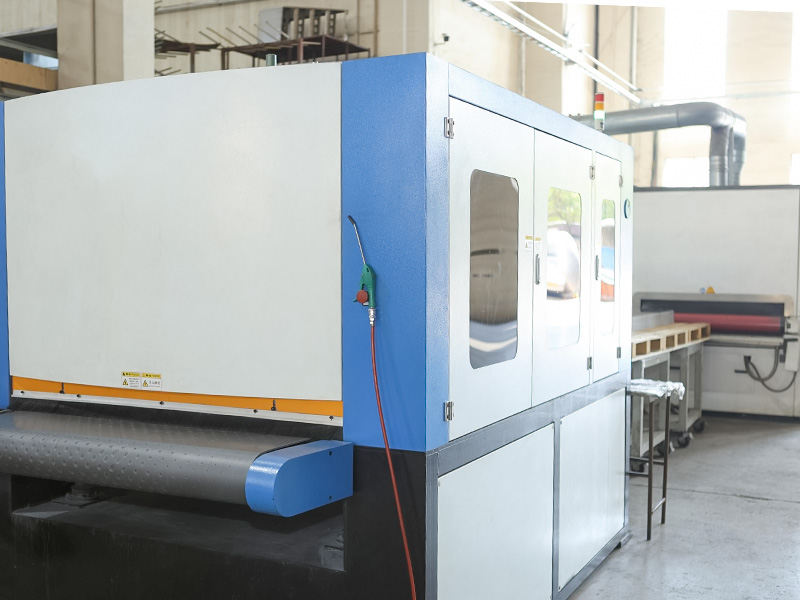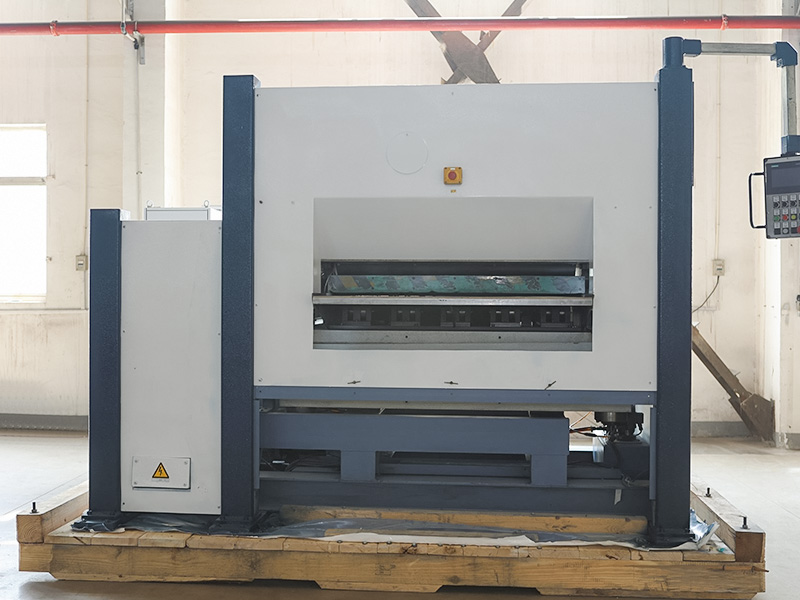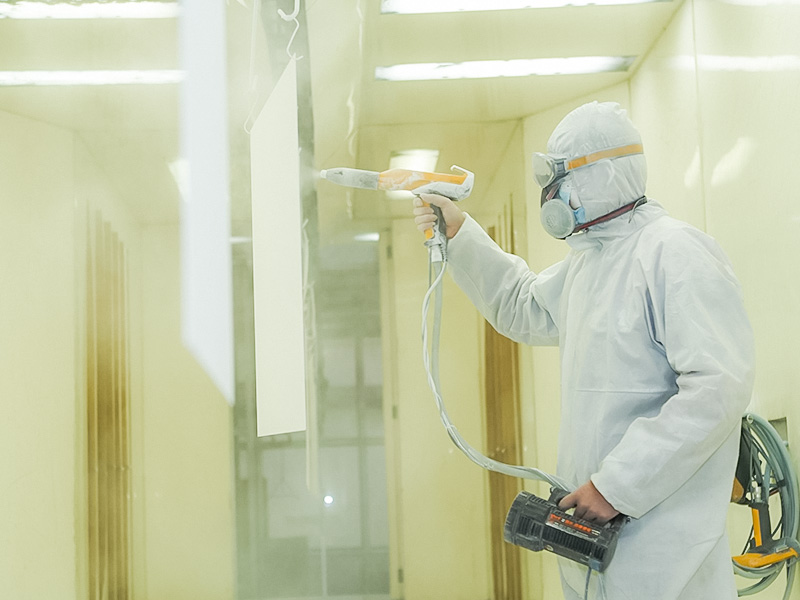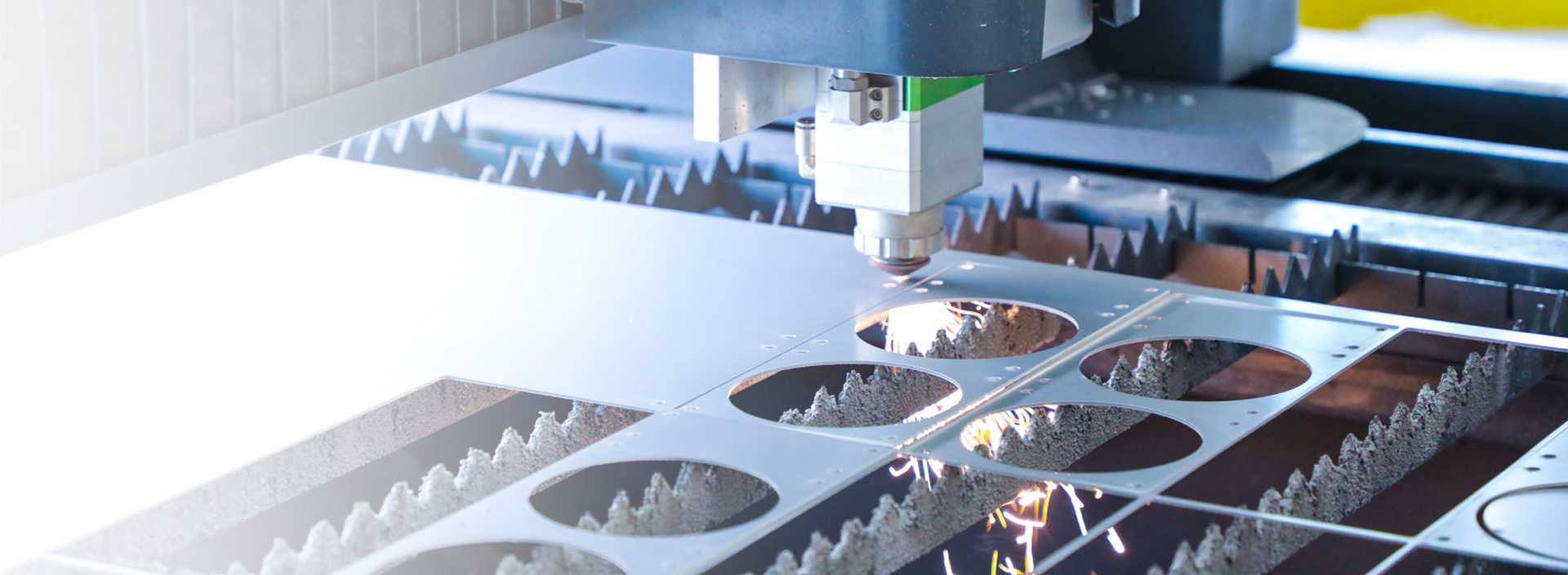
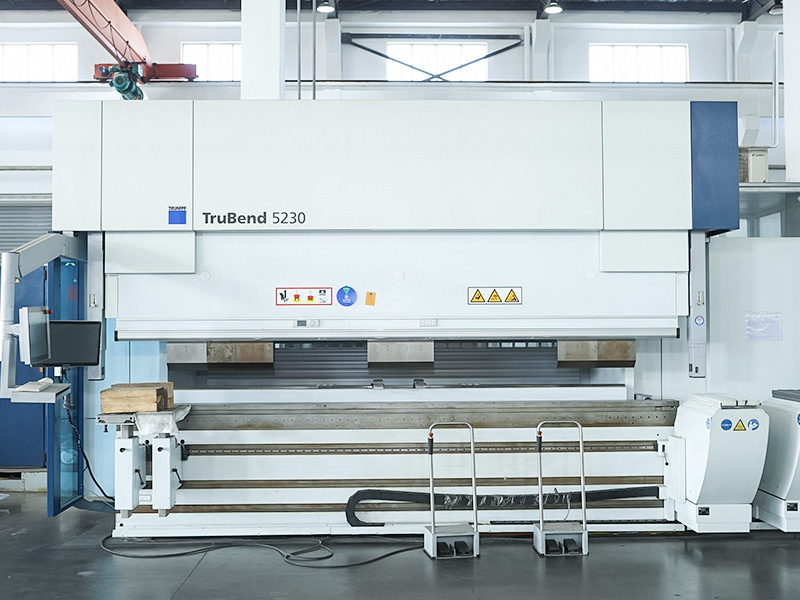
Bending technology is an indispensable process in sheet metal processing. It mainly causes the metal sheet to undergo plastic deformation through molds and pressure, thereby forming the required angle and shape. In industrial production, advanced bending equipment plays a key role. Our company's bending machines have high-precision CNC systems, which can accurately set and control bending angle, length and other parameters, which can meet complex and diverse bending needs. The equipment has a reasonable structural design and good rigidity and stability to ensure reduced errors during processing and bending accuracy. In addition, it can be adapted to a variety of molds of different specifications, and can flexibly process various metal sheets such as carbon steel, stainless steel, aluminum alloys, etc. With bending technology and related equipment, enterprises can integrate a series of processes such as laser cutting, welding, and surface treatment to build a complete processing chain. From product research and development design to sample production to mass production, it provides global customers with one-stop customized processing services covering multiple fields, which are widely used in electronics, machinery, automobiles and other industries to help product manufacturing be efficient and accurate.
| Device Name | Equipment Model | Device Serial Number | Equipment Production Date | Specification Processing Range | Quantity | Remark |
| Multi-side Bending Center | P2L-2120 | P4M_811_2687 | 2019.4 | 2120mm | 1 | Salvagnini |
| CNC Bending and Flipping Machine | TruBendcenter5030 | B0104P0049 | 2016.12 | 3 meters | 1 | TRUMPF |
| Mobile Bending Cell | Xpert40 | 20500011 | 2020 | 40 tons 1 meter | 1 | Bystronic |
| Automatic CNC Bending Center | TruBend5170 | B0401A0100 | 2007 | 170 tons 3 meters | 1 | TRUMPF |
| CNC Press Brake | TruBend7036 | B1702I0059 | 2019.09 | 36 tons 1 meter | 1 | TRUMPF |
| CNC Press Brake | TruBend7036 | B1702I0058 | 2019.09 | 36 tons 1 meter | 1 | TRUMPF |
| CNC Press Brake | TruBend7036 | B0702A2382 | 2018.1 | 36 tons 1 meter | 1 | TRUMPF |
| CNC Press Brake | TruBend5170 | B1505I0321 | 2019.07 | 170 tons 3 meters | 1 | TRUMPF |
| CNC Press Brake | TruBend5130 | B0504A1814 | 2016.03 | 130 tons 3 meters | 1 | TRUMPF |
| CNC Press Brake | TruBend5085 | B0503A0398 | 2011.01 | 130 tons 4 meters | 1 | TRUMPF |
| CNC Press Brake | TruBend5320 | B1509I0427 | 2023.07 | 320 tons 4 meters | 1 | TRUMPF |
| CNC Press Brake | TruBend5230 | B1508I0184 | 2019.07 | 230 tons 4 meters | 1 | TRUMPF |
| CNC Press Brake | TruBend5230 | B1508I0029 | 2017.01 | 230 tons 4 meters | 1 | TRUMPF |
| CNC Press Brake | TruBend5230 | B1508I0023 | 2017.01 | 230 tons 4 meters | 1 | TRUMPF |




In modern sheet metal bending machine operations, precision and efficiency are critical for ensuring consistent production quality. One of the most crucial factors that influence these outcomes is blade selection. The blade, as the primary interface between the bending machine and the metal sheet, directly affects bending accuracy, surface quality, and overall machine performance. Understanding the nuances of blade selection allows manufacturers to optimize production, reduce waste, and enhance the lifespan of both equipment and components.
Bending technology is an indispensable process in sheet metal processing. It involves the plastic deformation of metal sheets using molds and applied pressure to achieve specific angles and shapes. High-precision CNC bending machines play a key role in industrial production, providing control over bending angles, lengths, and other parameters. These machines, with their advanced rigidity and stability, can be adapted to various molds and metal types, including carbon steel, stainless steel, and aluminum alloys. In this context, the choice of blade becomes a vital aspect of achieving accurate and reliable bending results.
The blade in a sheet metal bending machine defines the contact geometry with the metal sheet. The angle, width, and shape of the blade determine how the metal will deform under applied pressure. Selecting the appropriate blade for the thickness and type of metal ensures that the target angle is achieved consistently. An incorrect blade can lead to overbending or underbending, resulting in material waste, rework, and lower production efficiency.
For instance, narrow V-shaped blades are suitable for thin sheets, offering precision in sharp bends, while broader blades are used for thicker materials to distribute force evenly and prevent cracking. The correct blade minimizes spring-back effects and maintains the dimensional accuracy required in high-precision manufacturing.
Blade selection also affects the surface finish of the bent metal. Sharp or improperly matched blades may leave scratches, marks, or deformation lines, which can compromise the aesthetic and functional quality of the final product. For applications in electronics or automotive manufacturing, where surface integrity is essential, selecting blades with the right geometry and surface hardness is crucial.
Moreover, blade coatings, such as hardened steel or specialized alloys, can reduce friction between the blade and sheet, preventing scratches and extending the life of both the blade and the metal sheet.
Different metals exhibit varying ductility and hardness, necessitating specialized blades. Stainless steel, for example, requires high-strength, wear-resistant blades to withstand its resistance to deformation, while aluminum alloys may be bent effectively using standard high-carbon steel blades. Understanding material properties and choosing the appropriate blade ensures smooth bending operations and reduces the risk of tool damage or material failure.
Blade selection is not a one-size-fits-all decision. The type of blade is determined by factors such as sheet thickness, bend angle, production volume, and the specific machine model. Common types include:
| Blade Type | Characteristics | Application |
|---|---|---|
| V-shaped blade | Narrow V-angle, sharp edges | Thin sheets, precise angular bends |
| U-shaped blade | Curved profile, distributes force evenly | Medium thickness sheets, reduces spring-back |
| Box blade | Flat bottom with reinforced edges | Heavy sheets, wide bend areas |
| Custom-profile | Designed for specific product geometries | Complex parts requiring high accuracy |
Choosing the correct blade type is essential for achieving consistent bending results and maintaining machine efficiency over long production runs.
The thickness of the metal sheet is the primary consideration for blade selection. Thicker sheets require wider or reinforced blades to distribute the bending force evenly, preventing deformation or tool damage. The length of the sheet also affects the blade choice; longer sheets may need blades that maintain stability across the entire bending span, ensuring uniform angles without sagging.
Different bending angles and radii demand specific blade profiles. Acute angles often require narrow V-shaped blades to achieve precision, while larger radii can be formed using broader or curved blades to reduce stress concentration and prevent cracking. Matching the blade to the required bend radius is critical for maintaining structural integrity and minimizing spring-back effects.
High-volume production environments benefit from blades that can withstand repeated use without significant wear. In contrast, low-volume or prototype production may prioritize versatility and the ability to switch blades quickly for different part geometries. Proper blade selection balances production efficiency with quality control.
Not all blades are compatible with every sheet metal bending machine. Factors such as CNC control, clamping systems, and machine tonnage affect the blade options. Ensuring the blade fits the machine’s specifications allows for optimal performance and reduces maintenance requirements.
Modern CNC sheet metal bending machines offer precise control over bending parameters such as angle, length, and pressure. Blade selection works in tandem with CNC programming to ensure accurate and repeatable bends. High-quality blades allow the CNC system to perform complex bends with minimal trial-and-error adjustments, improving efficiency and reducing material waste.
Moreover, CNC systems can store bending programs for different blade and sheet combinations, facilitating rapid changeovers and ensuring consistent production standards across multiple batches. This integration highlights the importance of choosing blades that are compatible with advanced CNC technology.
Proper blade selection also impacts the maintenance cycle and overall lifespan of the machine. Using inappropriate blades can accelerate wear on both the blade and machine components, leading to frequent maintenance and higher operational costs. Selecting blades designed for the material type, thickness, and production volume ensures durability, reduces downtime, and maintains bending accuracy over extended periods.
Regular inspection of blades for wear, chipping, or deformation is necessary. Advanced manufacturing companies, like Wuxi Shaofang Machinery Co., Ltd., emphasize precision machining and heat treatment processes to produce high-quality blades capable of withstanding industrial workloads while maintaining consistent bending performance.
Sheet metal bending machines equipped with properly selected blades are widely used across multiple industries:
In each sector, blade selection determines the quality, efficiency, and cost-effectiveness of bending operations, making it a strategic consideration for manufacturers.
Blade selection is a critical factor in sheet metal bending machine operations. It influences bending accuracy, surface quality, material compatibility, and machine longevity. Considering parameters such as sheet thickness, bend angle, production volume, and CNC compatibility ensures optimal performance. Advanced CNC bending machines combined with high-quality, appropriately selected blades enable manufacturers to achieve precise, efficient, and reliable bending results across various industries.
By prioritizing correct blade choice, companies can improve production efficiency, reduce waste, and ensure consistent high-quality outcomes for diverse applications.
Q1: How do I choose the right blade for my sheet metal bending machine?
A1: Consider sheet thickness, material type, bend angle, and machine specifications. Consult the machine manual or manufacturer guidelines for recommended blade profiles.
Q2: Can one blade type work for all materials?
A2: No. Different metals require specific blade profiles and hardness to achieve accurate bends and avoid surface damage.
Q3: How often should blades be inspected or replaced?
A3: Blades should be regularly inspected for wear, chipping, or deformation. High-production environments may require more frequent replacements to maintain accuracy.
Q4: Does blade coating affect bending performance?
A4: Yes. Coatings reduce friction, prevent scratches, and increase blade lifespan, contributing to better bending quality.
Q5: Are custom blades necessary for complex parts?
A5: In many cases, yes. Custom-profile blades allow precise bends for unique geometries that standard blades cannot achieve.













 +86-13771171111 +86-13338110517

 English
 中文简体
中文简体 日本語
日本語 Deutsch
 Español
 Bahasa Melayu