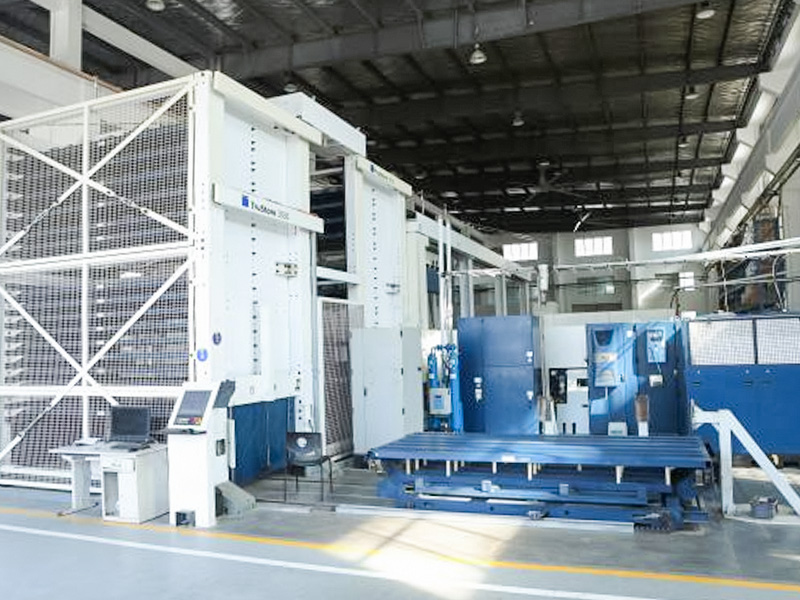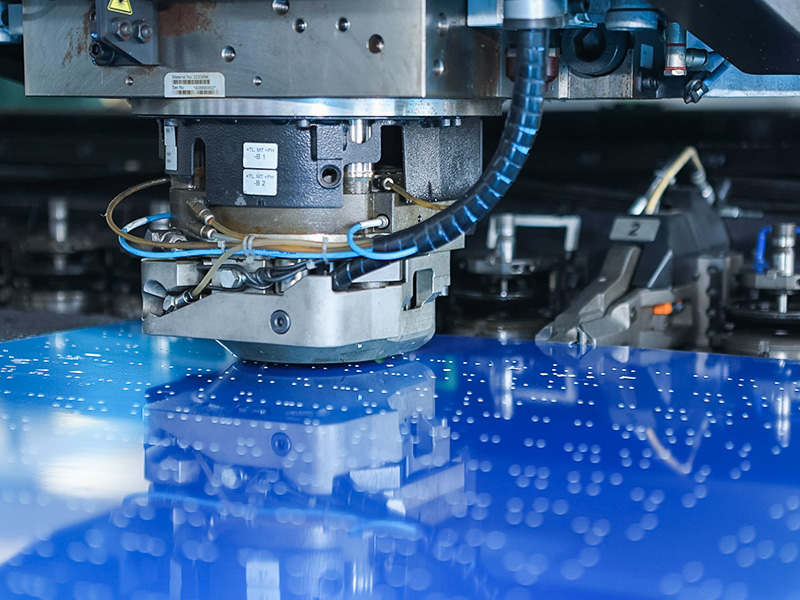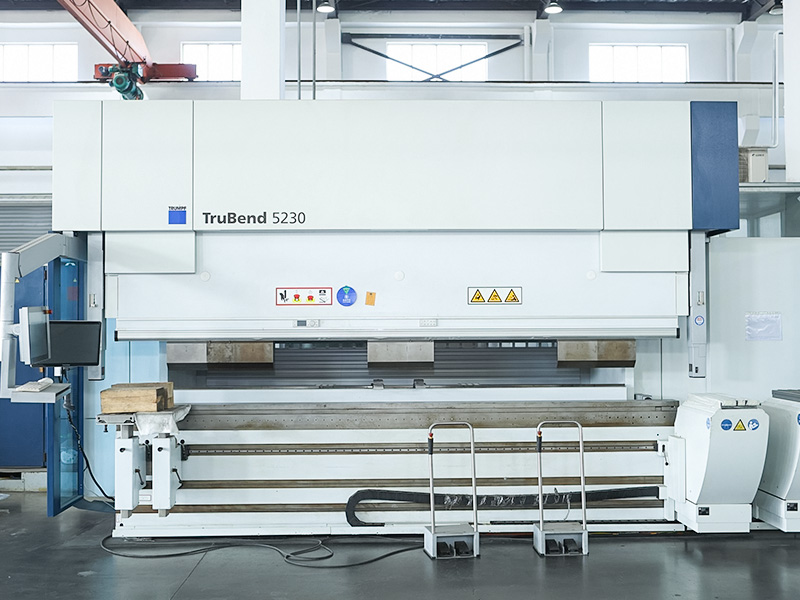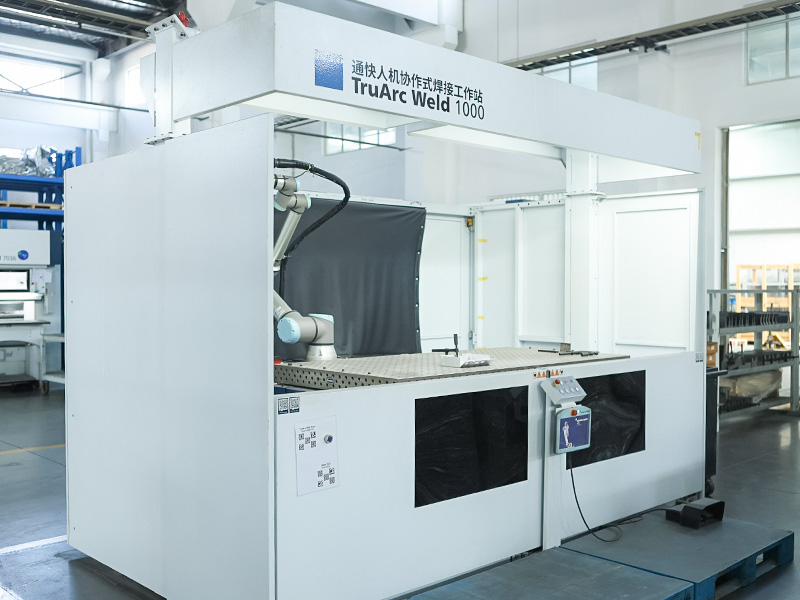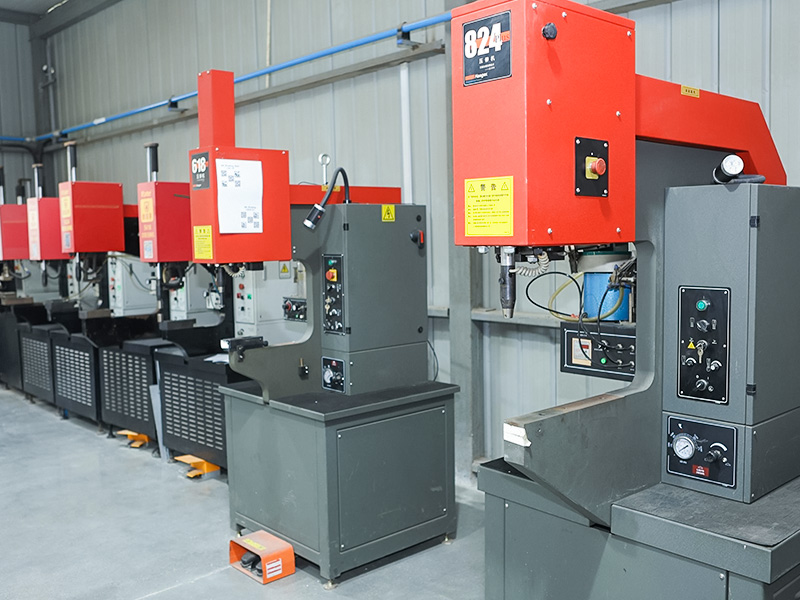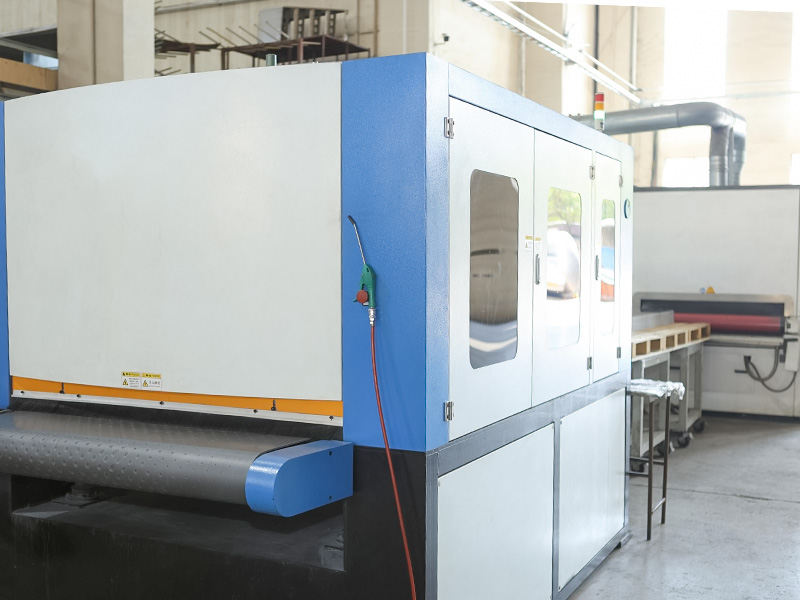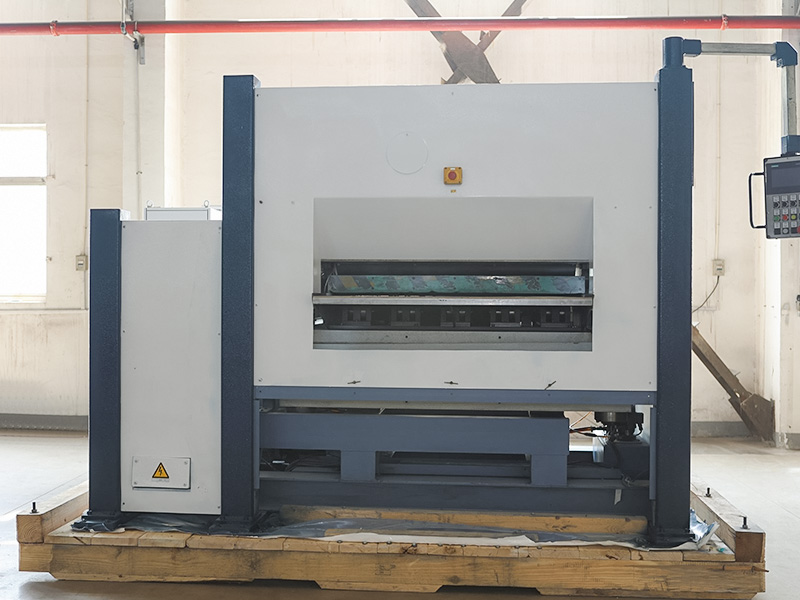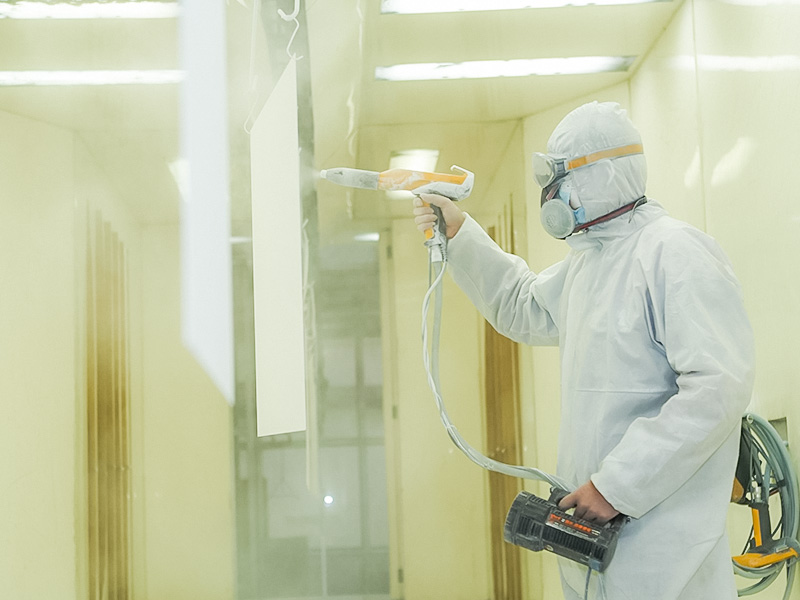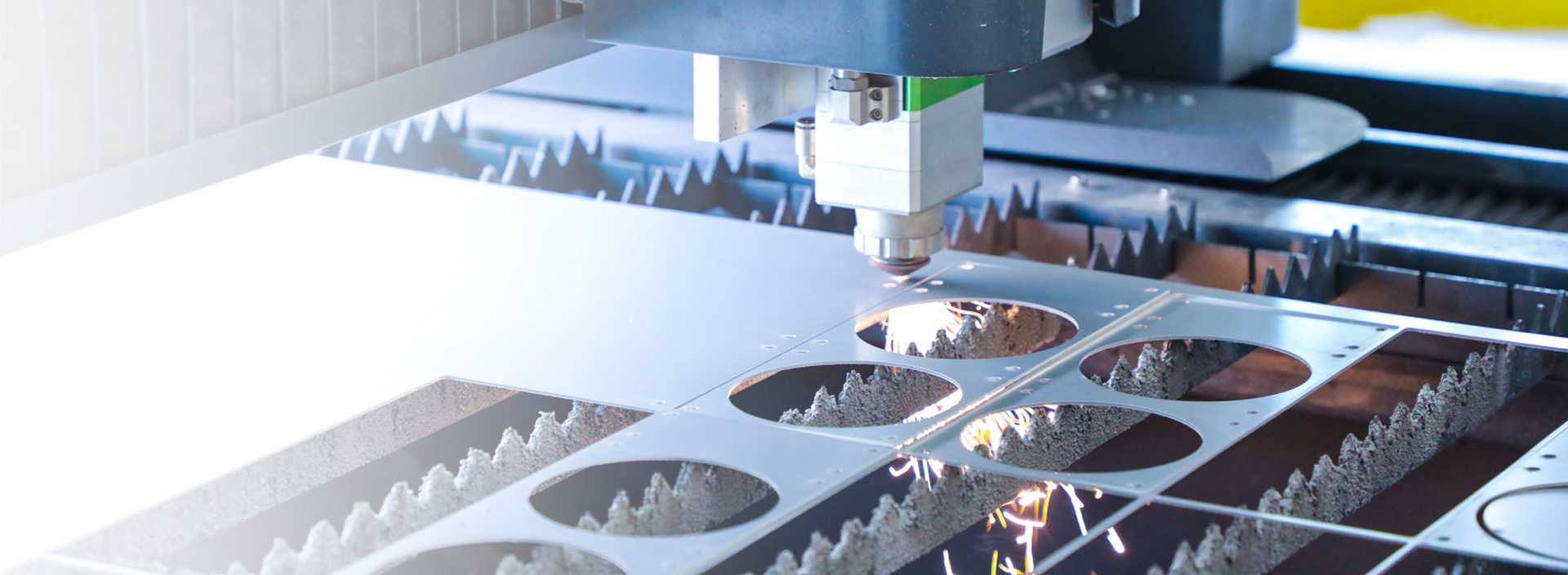
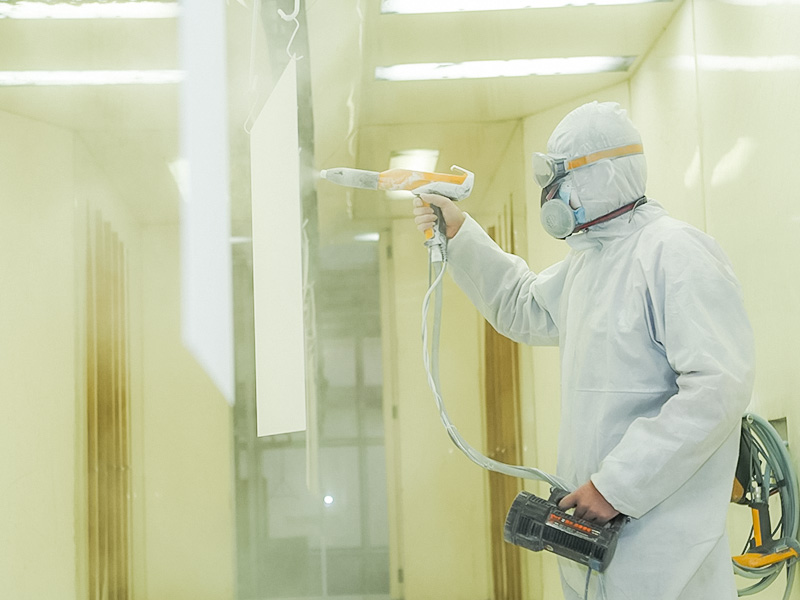
Spraying technology is a process of applying paint to the surface of a workpiece through a specific device to form a protective, decorative or functional coating. In industrial production, our company's spraying technology is advanced and mature. It adopts an automated spraying production line, equipped with high-precision spray gun and intelligent control system. The spray gun can accurately control the atomization effect and spray flow of the paint, ensuring uniform coating and consistent thickness. The intelligent control system can automatically adjust the spray parameters, such as spray speed, distance, angle, etc. according to the material, shape and coating requirements of the workpiece. It can handle workpieces of various materials, including metals (such as carbon steel, stainless steel), plastics, etc., and has a wide variety of suitable coatings, such as anticorrosion paint, topcoat, varnish, etc. With professional spraying technology, we closely combine it with sheet metal processing, mechanical processing and other processes to provide one-stop customized processing services for customers at home and abroad in many fields such as electronics, machinery, automobiles, and furniture. Through high-quality coatings, the corrosion resistance, wear resistance and aesthetics of the products can be effectively improved, helping customers' products to be more competitive in the market.


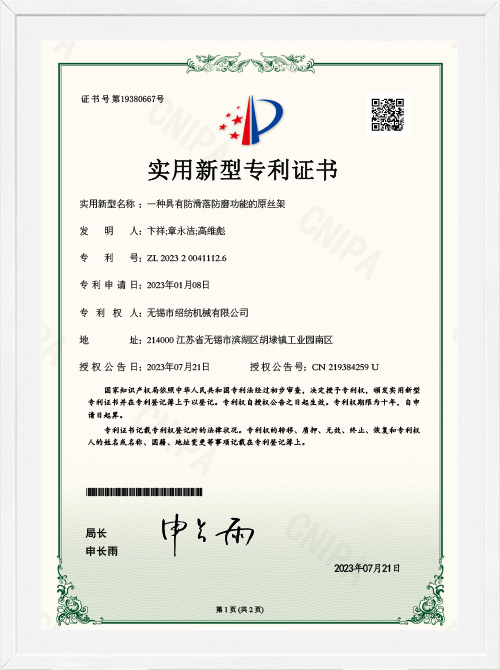
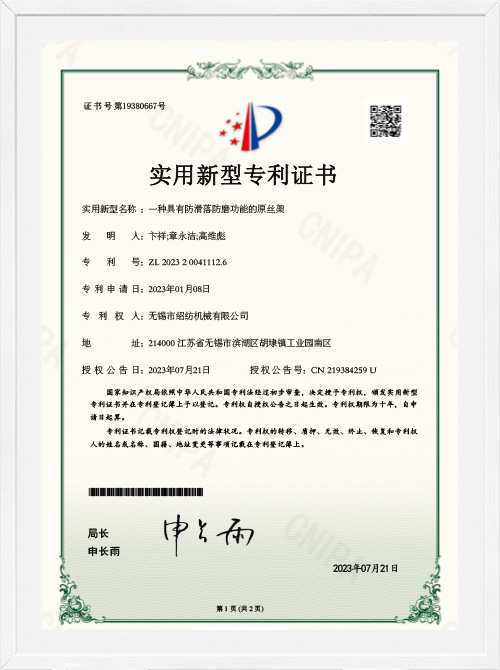
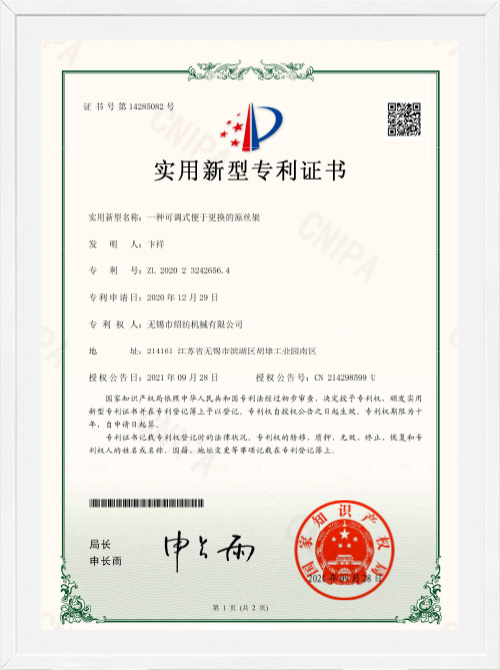
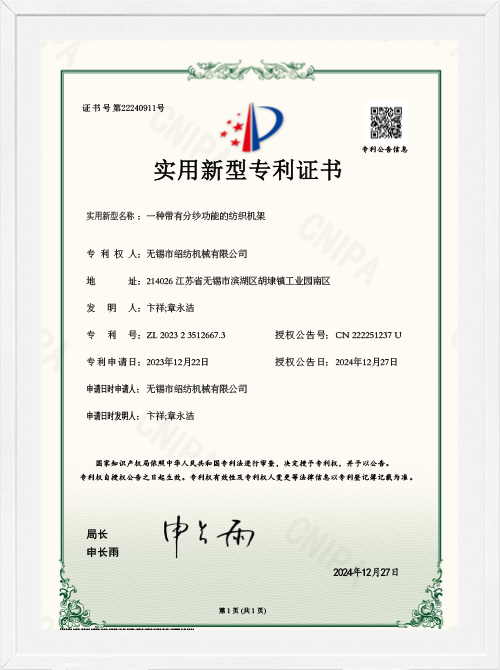
The growing demand for high-quality surface finishes, coupled with the need for efficiency, precision, and consistency, has positioned automated spray coating systems as a cornerstone of contemporary manufacturing processes. These systems are designed to minimize human error, optimize coating uniformity, and enhance productivity across diverse industries including automotive, electronics, textiles, and metal fabrication. Their adoption reflects a convergence of advancements in robotics, control systems, and surface engineering, making them indispensable for manufacturers aiming to achieve superior product quality and operational efficiency.
An automated spray coating system integrates mechanical, electronic, and software components to deliver precise coating of products in a repeatable and controlled manner. Core elements of these systems typically include:
By combining these components, automated spray coating systems provide consistent surface finishes, reduce overspray, and optimize material usage, offering clear advantages over manual spray operations.
| Component | Function |
|---|---|
| Robotic Arm / Gantry | Accurate movement along multiple axes for uniform coating |
| Spray Gun / Nozzle | Atomizes coating material to achieve desired thickness and texture |
| Conveyor / Turntable | Ensures product positioning and movement during the coating process |
| Control Unit (PLC/CNC) | Manages process parameters, timing, and sequence |
| Monitoring Sensors | Detects coating quality, environmental factors, and system anomalies |
High-quality sheet metal components form the substrate for many coated products, and the performance of automated spray coating systems is heavily influenced by the precision and treatment of these materials. Key processing technologies include:
These processes collectively ensure that sheet metal components are prepared to maximize the effectiveness of automated spray coating systems.
Wuxi Shaofang Machinery Co., Ltd. has extensive experience in providing high-precision parts and automated equipment that can enhance the performance of coating systems. Key technologies include:
CNC machines allow for micron-level accuracy, critical for components that support robotic arms, nozzles, and material handling equipment within automated coating systems.
Processes like quenching and tempering increase the hardness and wear resistance of metal parts, ensuring long-term durability of system components.
Accurate assembly of machinery parts ensures the proper alignment and movement of robotic arms, which directly impacts coating uniformity and consistency.
| Technology | Importance for Coating Systems |
|---|---|
| CNC Precision Machining | Ensures accurate motion of robotic arms and spray nozzles |
| Heat Treatment | Increases component durability under repetitive operation |
| Assembly | Guarantees precise alignment for consistent coating |
Many automated spray coating systems are used for plastic components in addition to metal substrates. Injection molding technologies play a pivotal role:
Automation and information systems are central to the efficiency of modern spray coating systems. Integration of these technologies reduces labor dependency, enhances process repeatability, and facilitates data-driven quality control:
Fully automated lines synchronize material handling, robotic coating, and curing processes. This ensures high throughput while maintaining consistent quality.
Enterprise Resource Planning systems enable real-time tracking of production status, inventory levels, and resource allocation. When applied to automated coating systems, ERP integration allows manufacturers to optimize scheduling, reduce downtime, and improve overall resource utilization.
Advanced sensors monitor parameters such as coating thickness, environmental humidity, and solvent concentration. Feedback loops adjust nozzle speed, pressure, and material flow dynamically, ensuring optimal results.
| Automation Element | Benefit for Spray Coating Systems |
|---|---|
| Automatic Production Line | Improves throughput, reduces human error |
| ERP System | Optimizes scheduling and resource utilization |
| Sensor Feedback Loops | Maintains consistent coating quality through real-time adjustments |
The adoption of automated spray coating systems offers numerous advantages across multiple industries:
These systems find application in sectors such as:
Automated spray coating systems represent a synthesis of robotics, surface engineering, precision manufacturing, and digital control technologies. Wuxi Shaofang Machinery Co., Ltd. provides integrated solutions encompassing sheet metal processing, textile machinery parts, injection molding, and automation technologies to ensure high efficiency, precision, and quality in coating applications.







 +86-13771171111 +86-13338110517

 English
 中文简体
中文简体 日本語
日本語 Deutsch
 Español
 Bahasa Melayu