Content
A fiber laser cutting machine uses a high-power fiber laser source to cut sheet metal with higher speed, cleaner edges, and lower running cost than a CO2 laser on most common fabrication work. If you are buying one for a sheet metal shop, the practical starting point is three numbers: the thickest material you cut regularly, the parts you need per shift, and the largest sheet size you handle. Those three inputs determine the power, the table size, and the budget you actually need.
A fiber laser cutting machine generates its beam inside a fiber-based laser source and sends it through an optical cable to the cutting head. The beam is focused to a small spot that melts the material while a coaxial gas jet blows the molten metal out of the kerf. Because the beam path is a thin optical fiber instead of a chain of mirrors, the machine keeps its alignment over years of use and can move the cutting head at high acceleration without losing beam quality.
The wavelength also matters. A fiber laser operates near 1.06 micrometers, a range that metals absorb efficiently. A CO2 laser operates at 10.6 micrometers, which is reflected more easily by shiny surfaces such as aluminum. That is why fiber lasers are dramatically faster on thin stainless and aluminum sheet, and why they cut coated or reflective materials without the setup problems older systems have.
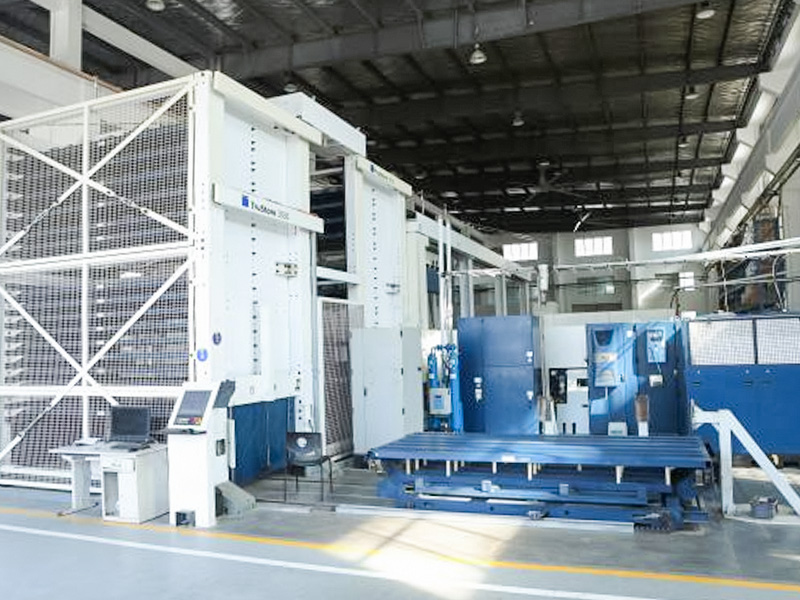
Shaofang builds its laser cutting machine line for this exact class of sheet metal work, with table sizes and power levels matched to fabrication shops and production plants.
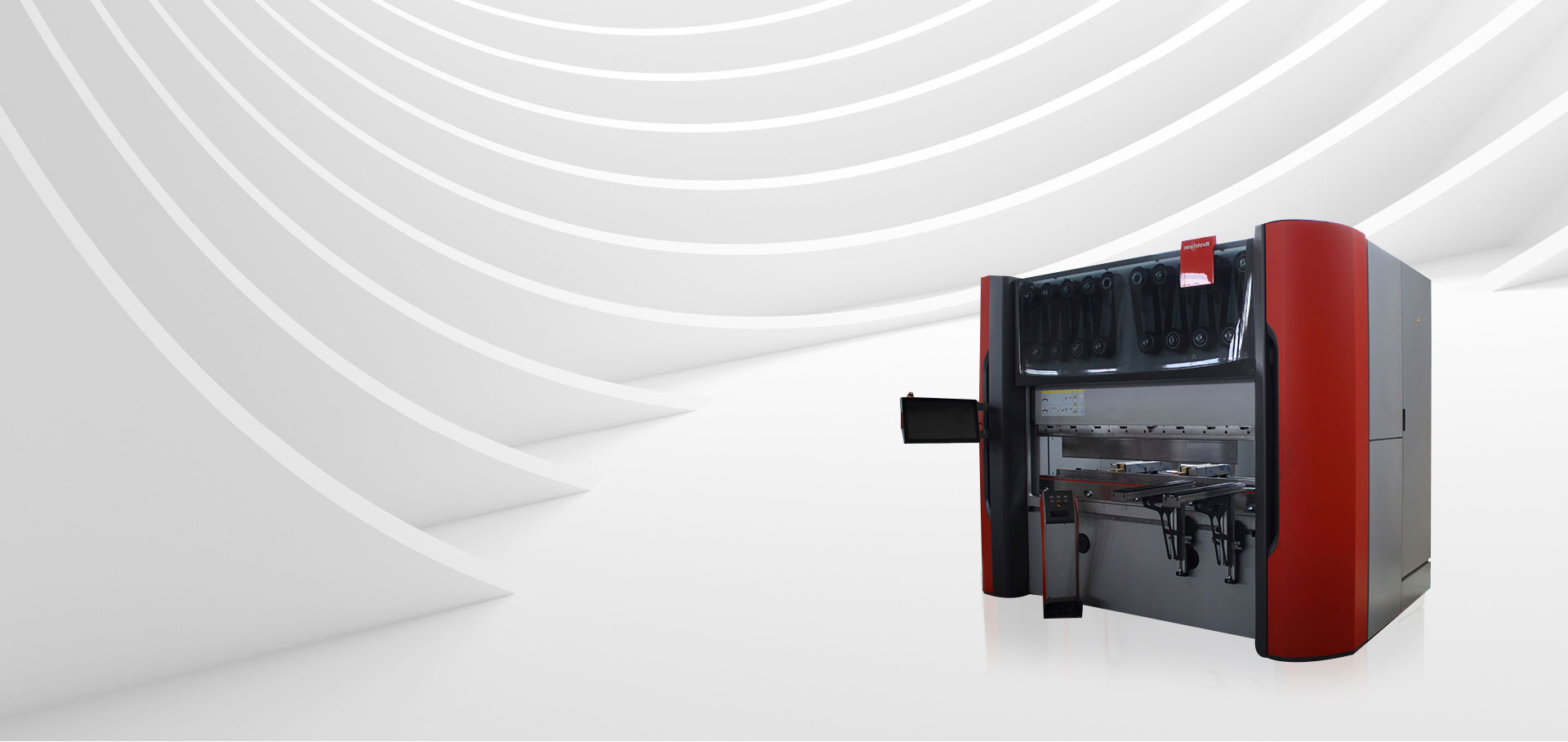
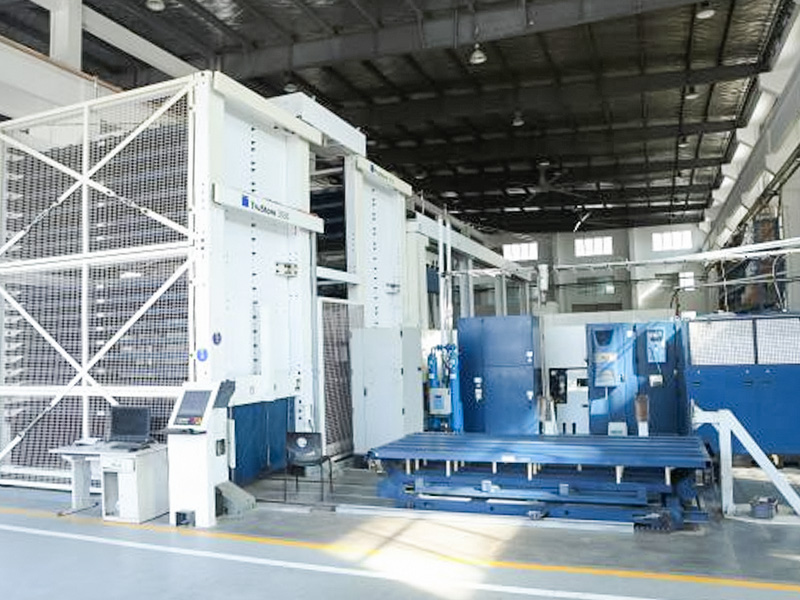 Fiber Laser Cutting Machine for Sheet Metal FabricationCompare key specifications such as power, table size, and cutting capabilities before requesting quotes. Suitable for stainless steel, carbon steel, and aluminum alloy in fabrication shops.View Product →
A fiber laser cutting machine spec sheet contains more than the model name and a marketing speed figure. The six fields below carry the information that actually decides whether the machine fits your production. Use them as a checklist when you compare quotations from different suppliers.
| Specification | What It Determines | What to Look For |
|---|---|---|
| Laser power | Maximum cutting thickness and cutting speed | 1.5-3 kW for thin sheet, 6-8 kW for medium plate, 12 kW and above for heavy plate |
| Working area | Maximum sheet size the table can hold | Match to your standard sheet, for example 3000x1500 mm or 6000x2500 mm |
| Positioning accuracy | How precisely the cutting head follows the programmed path | Repeatability around +/-0.02-0.03 mm is typical for general fabrication |
| Max cutting thickness | The thickest plate the machine can cut in practice | A 6 kW machine typically cuts mild steel up to 20-25 mm |
| Maximum traverse speed | Fastest non-cutting movement between parts | 80-140 m/min is common and useful for high-volume nesting |
| Laser source lifetime | Expected operating hours of the source | Modern fiber sources are commonly rated at about 100,000 hours |
CO2 lasers are still running in many workshops, and some suppliers still list them side by side with fiber models. The comparison below focuses on the differences that affect a production decision, not on the marketing story.
| Factor | Fiber Laser | CO2 Laser |
|---|---|---|
| Beam wavelength | About 1.06 micrometers | About 10.6 micrometers |
| Cutting speed on 1-3 mm mild steel | Two to three times faster | Baseline |
| Cutting speed on 8-12 mm plate | Moderately faster | Slower, but smoother bottom edge on thick sections |
| Operating cost | Lower electricity and assist gas consumption | Higher electricity consumption |
| Maintenance | No mirror alignment, lower service frequency | Regular mirror alignment and resonator service |
| Floor space | Compact, beam delivered by fiber cable | Large, beam path needs extended rails |
| Edge quality on thick mild steel | Slight burr above 15 mm | Cleaner bottom edge on very thick plate |
For most job shops and production facilities, the fiber machine wins on cost per part, uptime, and material versatility. The remaining niche for CO2 is smooth edge cutting on very thick plate, typically above 15 mm. If that is not your core product, a fiber system is the better investment.
A structured process prevents the two most common purchasing mistakes: buying more power than the parts require, and choosing a table that is too small for the standard sheet. Work through the five steps in order.
List every material and thickness you cut in a typical month. If most work is mild steel from 1 mm to 6 mm, a 3-6 kW machine will cover the bulk of the workload without overspending.
Calculate the parts demanded in the busiest shift, not the weekly average. This number tells you whether a standard machine or a dual-pallet exchange system is needed.
Match the table size to your most common sheet dimensions. A 3000x1500 mm table handles standard sheets; a 6000x2500 mm table is for plate and long parts.
Verify electrical supply, compressed air capacity, and floor space. Compare five-year operating cost: energy, assist gas, consumables, and maintenance.
Confirm delivery time, installation, operator training, and spare parts availability. Good machines fail fast when local support is weak.
For a broader comparison of machine types and selection factors, see our detailed guide on choosing a CNC laser cutting machine.
The right fiber laser configuration depends on the parts you produce. The four profiles below cover most fabrication shops, from thin-sheet enclosures to heavy plate.
Typical range 0.8-2.5 mm. High part count, nested cutting, tight tolerances for folding. A 2-3 kW fiber laser with a high-speed cutting head and a shuttle table is a common fit.
Typical range 6-20 mm. Large parts, low nesting density, more gas consumption per meter. A 6-12 kW machine with a large working area is the usual choice.
Food equipment, marine hardware, automotive brackets. The fiber wavelength cuts these metals with less dross and higher speed than CO2. A 3-6 kW system with autofocus is recommended.
Many materials, many thicknesses, small batches. A 4-6 kW machine with a shuttle table and flexible nesting software gives the best balance of speed and versatility.
Purchase price is only the beginning. The operating cost profile explains why most shops recover the investment in two to four years.
The most reliable way to estimate your own operating cost is to send sample drawings to a manufacturer for a cutting time and consumables calculation. You can send Shaofang your part drawings for an equipment evaluation.
A 6 kW machine typically cuts mild steel up to 20-25 mm, stainless steel up to 12-15 mm, and aluminum up to 10-12 mm using nitrogen assist. Higher power extends these limits, but the economical cutting range is usually lower than the maximum rating.
Modern fiber sources are commonly rated at about 100,000 operating hours. In a single-shift workshop, that represents more than ten years of normal use.
On thin and medium sheet, yes. At similar rated power, a fiber machine typically cuts 1-3 mm mild steel at two to three times the speed of a CO2 machine while maintaining equal edge quality.
Daily checks cover the nozzle, the protective window, and air dryer drainage. The machine does not require mirror alignment, which is the biggest maintenance difference compared with CO2 systems.
Prices depend on power, table size, and options such as shuttle tables or autofocus heads. A machine for a small job shop costs significantly less than a heavy-duty plate cutting system. A quotation based on your actual part mix is more accurate than a general list price.
The general performance figures in this article are based on published industry technical data. Specific values vary by machine configuration, material, and process conditions.












 +86-13771171111 +86-13338110517

 English
 中文简体
中文简体 日本語
日本語 Deutsch
 Español
 Bahasa Melayu