Content
Quick answer: for sheet metal, a fiber laser cutting machine is the standard choice across roughly 0.5 to 20 mm material thickness. It cuts any profile straight from a CAD file with no tooling, a kerf of only a few tenths of a millimetre, and edge quality that usually needs no rework. Choose 1.5 to 3 kW if your work is mainly thin sheet; move to 6 kW and above when plate over 10 mm becomes routine. What really decides the purchase, though, is how power, table size, assist gas and the rest of your line fit together, not the biggest number on the datasheet.
Two characteristics explain why fiber lasers have displaced CO2 machines in sheet metal work. The beam is generated and delivered through fiber optics rather than mirrors, so alignment work and routine maintenance largely disappear. The wavelength is also absorbed efficiently by reflective metals such as aluminum, brass and copper, which were always awkward for CO2 systems.
The sections below explain how the cutting process works, how to match power and table size to your material, and where the laser sits in a complete sheet metal line.
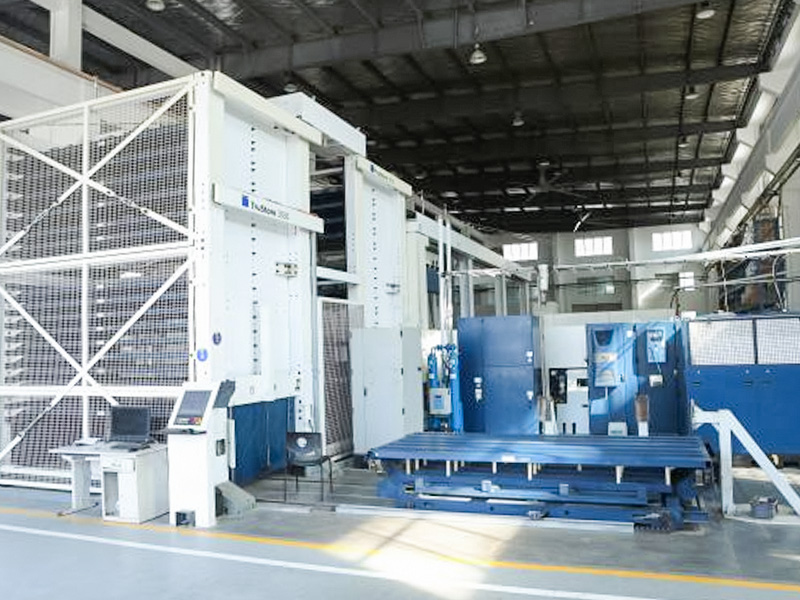
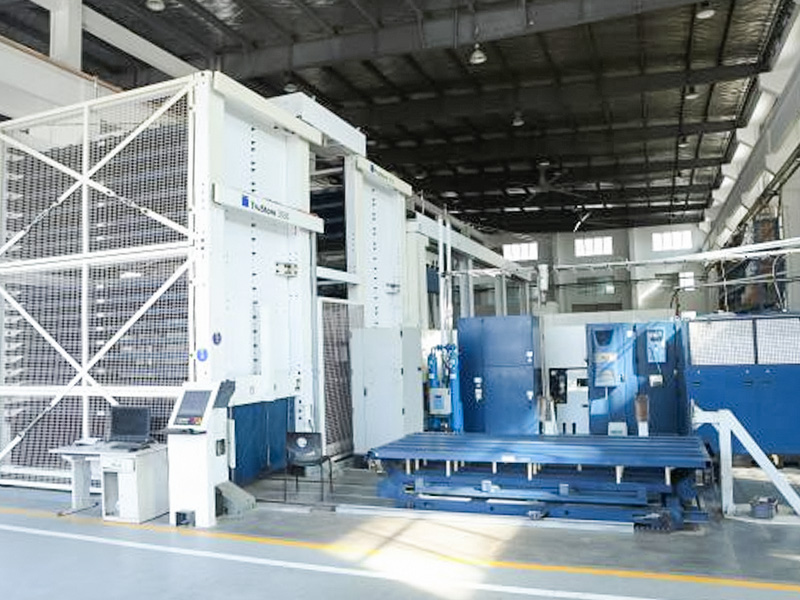 Custom CNC Fiber Laser Cutting MachinesLarge-format TRUMPF fiber and CO2 laser cutters that deliver the narrow kerfs and clean edges described for straight-to-bending sheet metal parts.View Product →
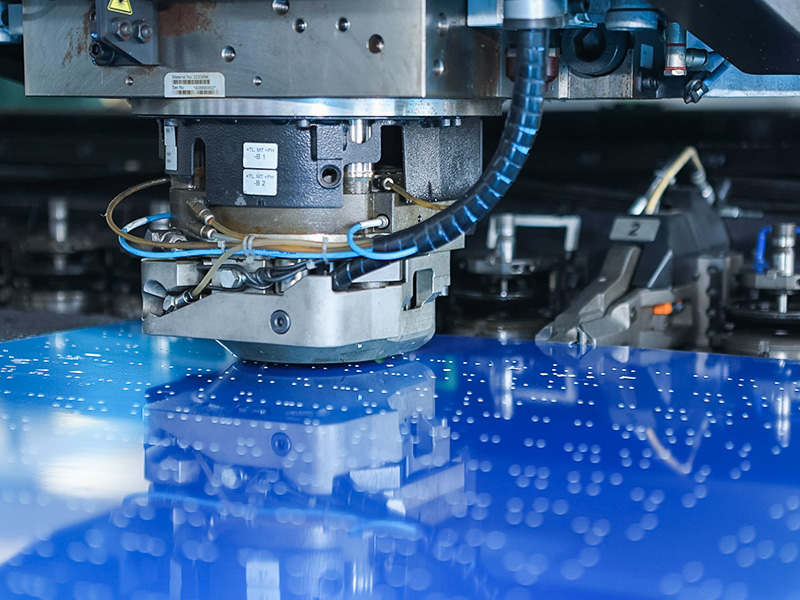
A fiber laser concentrates light into a spot a fraction of a millimetre across. At that intensity the metal at the focus point melts and vaporises, while a jet of assist gas blows the molten material out of the kerf from below. The cutting head follows a programmed path, usually imported as a DXF file from your CAD system, and nesting software arranges many parts on one sheet so the operator handles material only once. Kerf width typically sits between 0.1 and 0.3 mm, and the heat-affected zone is narrow enough that most blanks go straight to bending or welding without straightening.
The gas fed through the nozzle changes both cutting speed and edge finish more than many buyers expect. Three options cover almost all sheet work:
| Assist gas | Best suited for | Trade-offs |
|---|---|---|
| Oxygen | Mild steel, especially above 6 mm, where the exothermic reaction speeds cutting | Leaves a dark oxide edge that must be removed before welding or coating |
| Nitrogen | Stainless steel, aluminum and any part welded or finished later | Needs high pressure and flow, making it the most expensive gas to run |
| Compressed air | Thin mild steel and price-sensitive production runs | Lowest running cost, but edges show light oxidation |
One practical consequence: if you cut a lot of stainless steel, price the nitrogen supply before you price the machine. Cylinders, bulk tanks or a gas generator are recurring costs that outlast any purchase discount.
Power rating sets the ceiling on thickness and the lever on speed. As a rough industry guide, a 1.5 kW fiber laser handles mild steel to about 6 mm, a 3 kW machine reaches around 10 mm, a 6 kW unit cuts to roughly 16 mm, and 12 kW class machines work beyond 25 mm with oxygen assist. Stainless and aluminum capacities sit lower and usually run on nitrogen. Use the grid below as a starting point, then verify every thickness you actually sell against the manufacturer's cutting charts.
Thin-sheet production. Mild steel to about 6 mm; stainless and aluminum a step thinner. Typical for enclosures, brackets and light fabrication.
The fabricator's workhorse. Around 10 mm in mild steel, with a sensible balance of speed, gas cost and price per part.
Mid-thickness plate up to roughly 16 mm in mild steel. Suits agricultural, construction and machine-frame work.
Heavy plate beyond 25 mm with oxygen assist. Makes thick-section cutting economical instead of marginal.
Treat these numbers as orientation rather than guarantees. Cutting speed falls steeply near a machine's maximum thickness, so a part that is technically possible may be commercially poor. Many buyers size the machine to cut their common thicknesses fast and outsource occasional heavy plate.
Machine designations usually encode the working table: a 3015 machine has a bed of about 3,000 x 1,500 mm, a 4020 extends to 4,000 x 2,000 mm. Buy the table for the sheet you buy, not the other way round. Common stock sizes are 1,000 x 2,000 mm, 1,250 x 2,500 mm and 1,500 x 3,000 mm, so a 3015 covers the two most popular formats. An exchange table, where one bed cuts while the other is unloaded, pays for itself quickly in shops running more than one shift.
For a fuller decision framework, our guide to choosing the right CNC laser cutting machine covers power, budget and after-sales questions in more detail.
A laser cutting machine rarely works alone. Blank quality upstream and forming accuracy downstream both depend on it, and a typical chain runs through five stations:
Incoming plate and coil are flattened first. Blanks cut from warped sheet leave the table with unpredictable flatness, and that error carries into every later station.
Parts are nested and cut in one setup, including the holes and slots that would otherwise need drilling or punching.
A press brake folds flanges along the cut edges. Clean, straight cut edges and accurate relief cuts are what keep bend angles repeatable.
Cut and formed parts are joined into assemblies. Consistent edges and hole positions keep welding fixtures simple.
Polishing and coating finish the assembly. Nitrogen-cut stainless often moves straight to finishing with no edge cleanup.
Sourcing these stations from one supplier keeps responsibility for tolerances in one place. Leveling machines and press brakes are the most common companion purchases to a new laser.
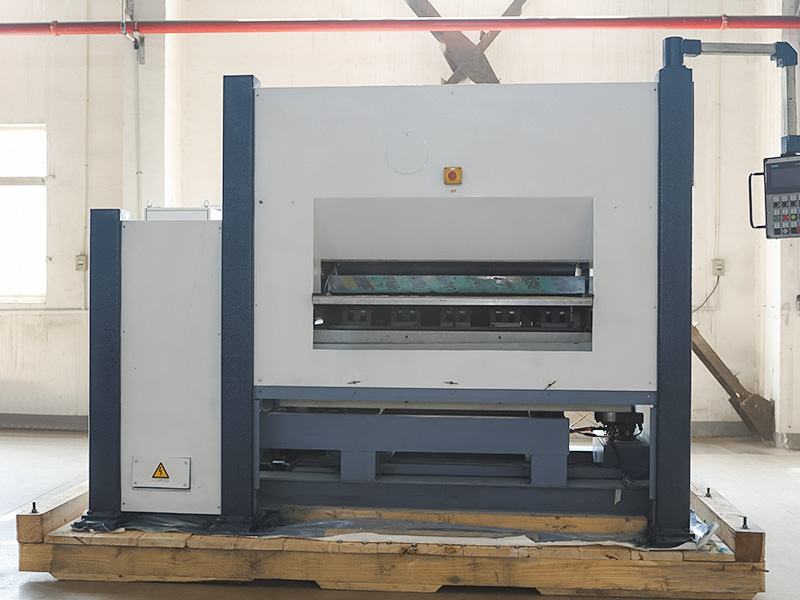 Custom Metal Plate Leveling MachineA roller leveling machine that restores flatness to warped plates, a common companion purchase when adding a laser to a sheet metal line.View Product →
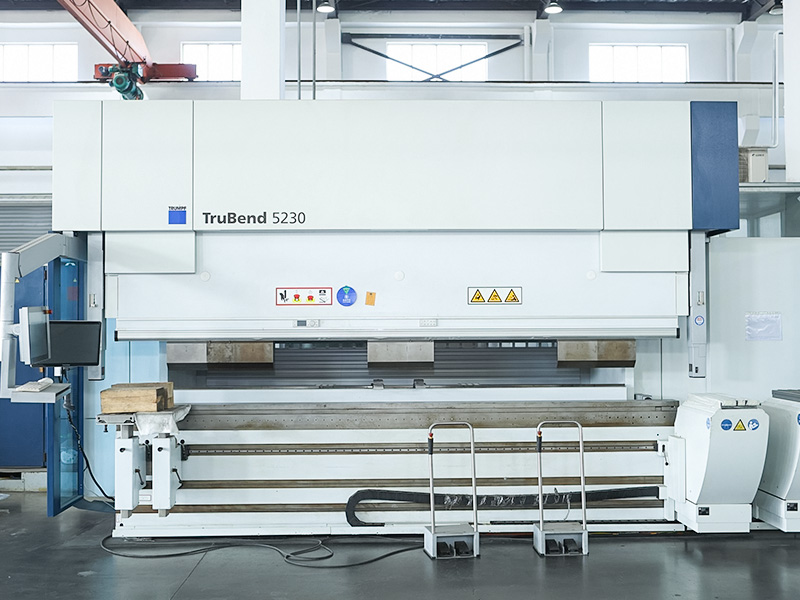
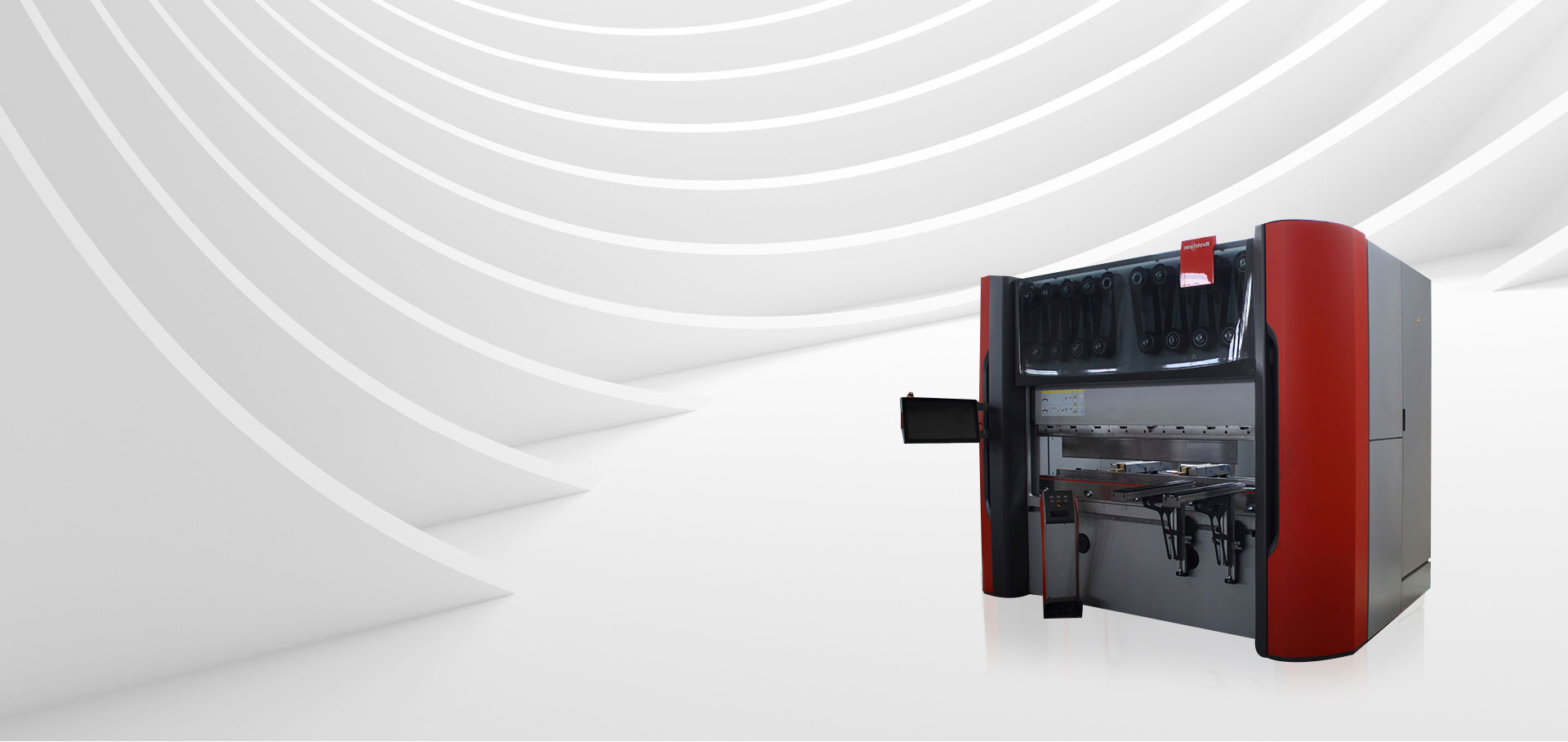
 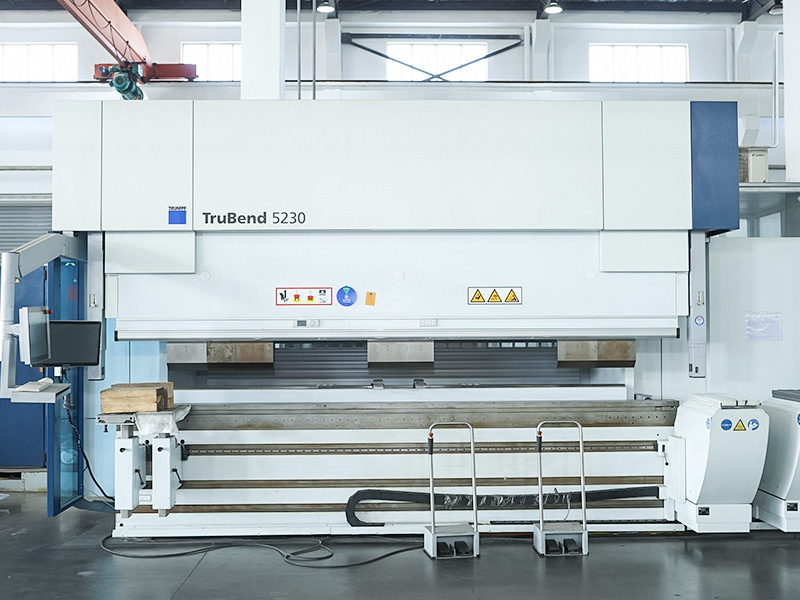 CNC Bending Machines and Press BrakesCNC press brakes and bending centers from TRUMPF, Salvagnini, and Bystronic that form laser-cut blanks into finished angles and shapes.View Product →
Datasheets build shortlists; test cuts close deals. Before signing a purchase contract, ask for:
If your volumes do not yet justify a machine, the same capability is available as a service. Sending drawings and buying finished parts, cut, bent, welded and coated, is a common first step before committing capital, and our custom fabrication service works exactly that way, from customer drawings to inspected finished parts.
What thickness can a laser cutting machine for sheet metal handle?
It depends on power. As a general guide, 1.5 kW covers mild steel to about 6 mm, 3 kW to about 10 mm, 6 kW to roughly 16 mm, and 12 kW class machines beyond 25 mm. Stainless and aluminum capacities are lower and usually run on nitrogen.
Is fiber laser better than CO2 for sheet metal?
For new purchases, fiber is the practical answer for nearly all sheet work: higher electrical efficiency, lower maintenance and better results on reflective metals. CO2 survives mainly in older installations and a few specialist applications.
What file format does the machine need?
Flat 2D profiles, most commonly DXF or DWG files exported from your CAD system. Nesting software arranges the profiles on the sheet and generates the cutting program.
Can I order parts instead of buying a machine?
Yes. Send drawings and material specifications, receive a quotation, and order finished blanks or complete assemblies. Many shops validate demand this way before buying equipment.










 +86-13771171111 +86-13338110517

 English
 中文简体
中文简体 日本語
日本語 Deutsch
 Español
 Bahasa Melayu