Content
Custom sheet metal fabrication is a build-to-drawing service: you supply the geometry, material, thickness, tolerances and finish, and the fabricator sequences cutting, forming, joining and surface treatment into one production flow. Projects rarely fail at the machine. They fail because the tolerance callout, bend radius or finish was left for the shop to interpret, so settle those three items before the first blank is cut and the rest of the order usually runs on schedule.
A complete custom fabrication chain has four stages, and the shop you choose should be able to run all of them under one roof. Splitting them across vendors adds a tolerance stack at every hand-off: the cutter holds a clean edge, the bender reads a slightly different flat pattern, and the welder ends up pulling the frame back into square at the end. One supplier running the whole sequence keeps the reference points consistent from blank to packed part.
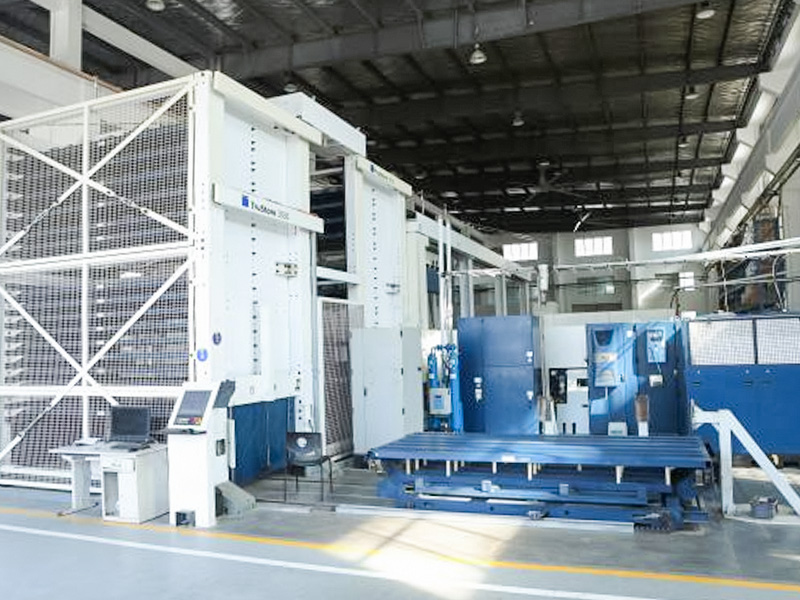
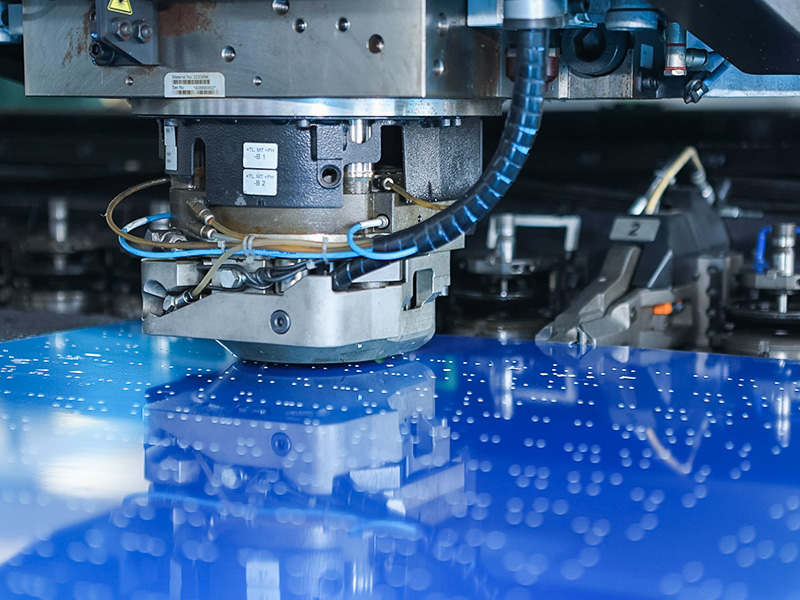
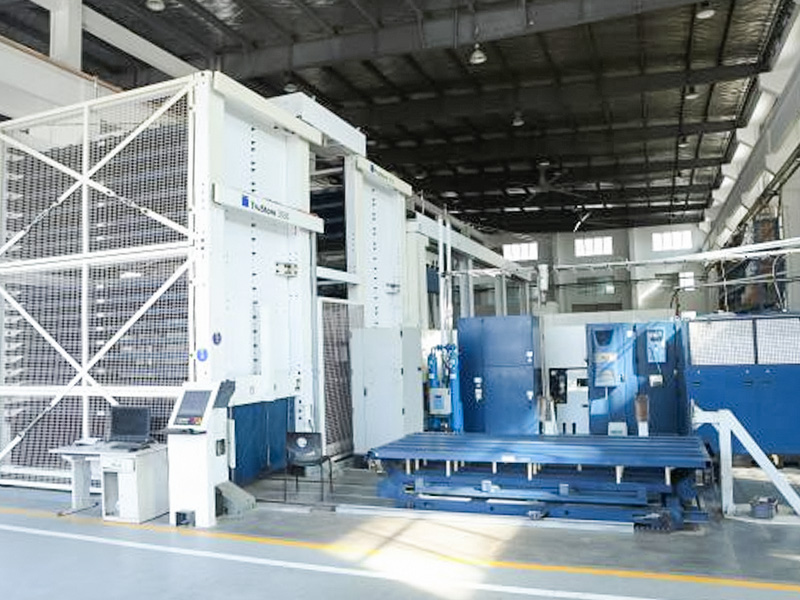 High-Precision Laser Cutting Machines for Sheet MetalThese TRUMPF laser cutters deliver clean edges and minimal heat-affected zones, ensuring parts with holes and slots stay accurate through later bending operations. Ideal for stainless, aluminum, and mild steel.View Product →
| Stage | Typical operations | Buyer decisions |
|---|---|---|
| Cutting | Laser cutting, CNC punching, shearing | Material grade, thickness, blank size, hole diameter relative to thickness |
| Forming | Press brake bending, leveling | Bend radius, bend count, flat pattern allowance, flatness after forming |
| Joining | MIG or TIG welding, press riveting, hardware insertion | Joint type, weld appearance class, rivet and insert specifications |
| Finishing | Polishing, spray coating, powder coating | Surface roughness target, color and gloss, masked areas |
Cutting is where a part's accuracy is set. Laser cutting produces clean edges on stainless, aluminum and mild steel with a narrow kerf and a tight heat-affected zone, which is why it is the default first operation for parts with holes, slots and profiles that must still line up after bending. If you would rather hand the whole sequence to one supplier, our custom fabrication service covers cutting through coating without the part leaving the building between stages.
The quickest way to cut cost is to pick the operation that fits the part, not the one that happens to be free this week. Most enquiries fall into one of the cases below.
Laser cutting needs one program per part and no tooling, so design revisions between runs cost very little.
CNC punching wins once holes repeat, because tooling cost is spread across a long run.
Press brake bending is judged on bend sequence and radius control more than on tonnage.
Press riveting sets studs and nuts cold, so a coated panel keeps its finish and flatness.
Leveling removes the bow and twist that heat input leaves in a welded assembly.
Polishing and spray coating live or die on surface preparation, not on the topcoat alone.
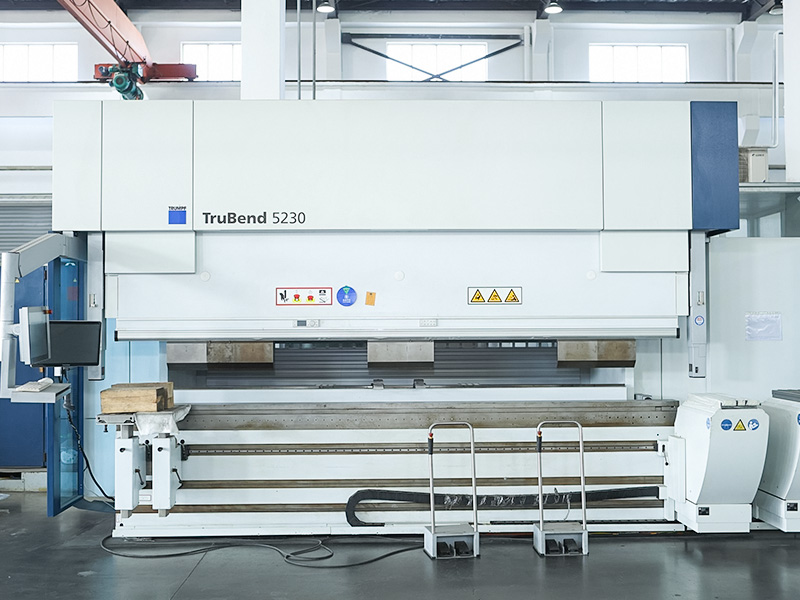
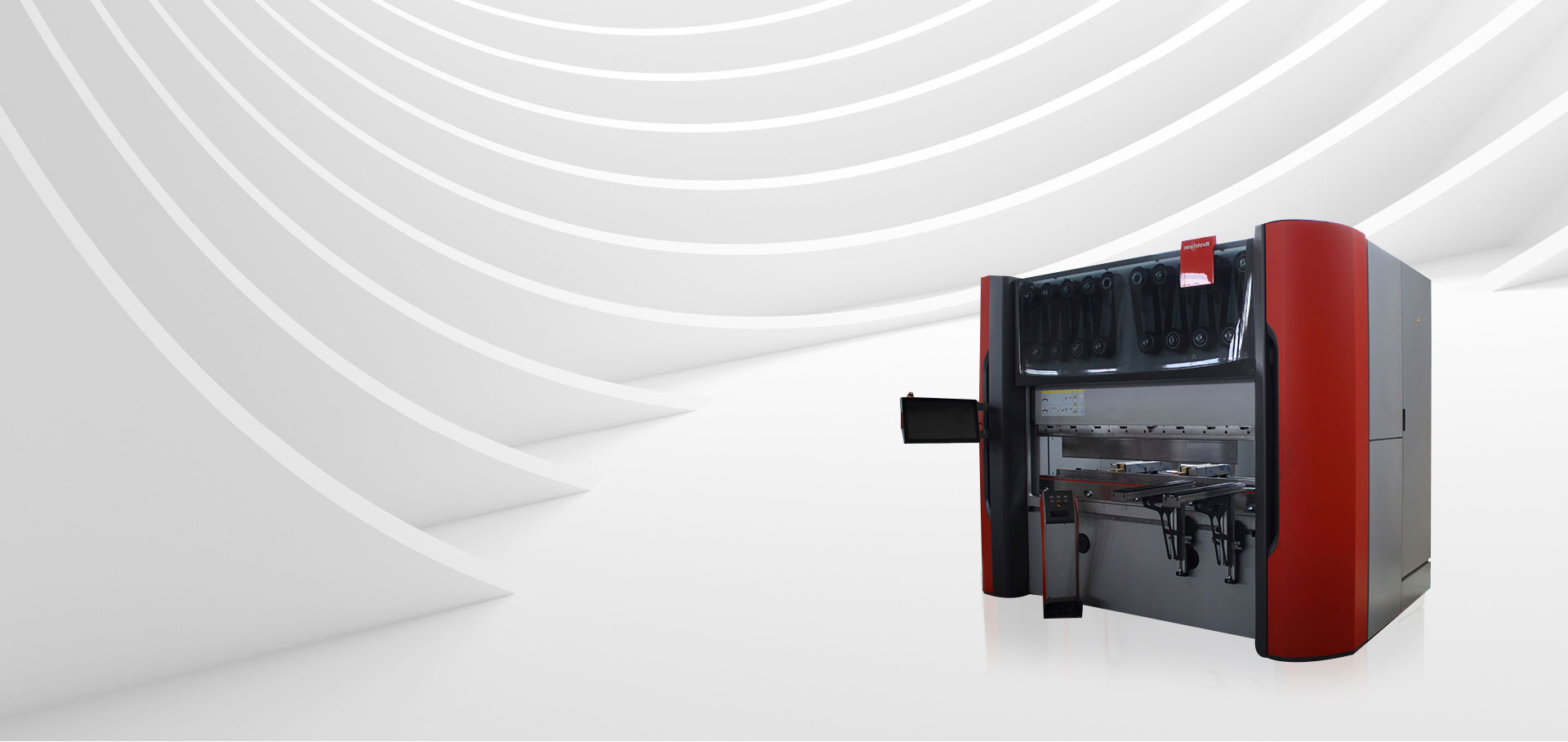
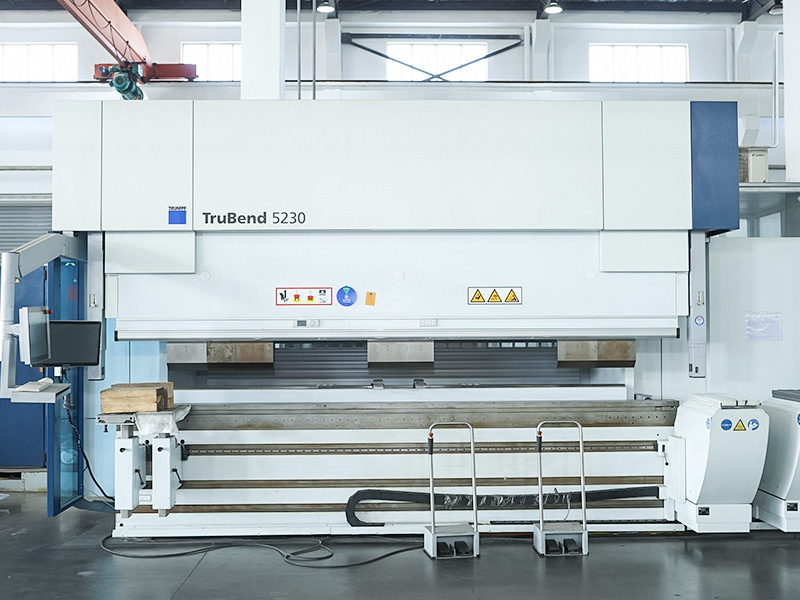 CNC Bending Machines with Precise Angle ControlThis range of press brakes and bending centers provides exact angle and length settings, handling multiple materials and complex geometries. Models span 36 to 320 tons, covering diverse sheet metal needs.View Product →
Every custom part carries three tolerance families: cut features, formed features, and finish. Mixing them into one blanket note such as "general tolerance 0.1 mm" forces the shop to quote the tightest reading, and you pay for precision you never needed.
On the cost side, material yield is usually the largest single line on a quote, and it is decided at nesting rather than at the machine. The rest of the price builds up from the number of bends and setups, secondary operations such as tapping, countersinking and hardware insertion, the surface finish and any masking, and how order quantity amortizes setup time.
Send a flat pattern in DXF or DWG, a STEP model, or a dimensioned PDF. The shop checks hole-to-bend clearance, minimum bend radius for the chosen material, and whether any feature sits below what the process can hold. This is the cheapest point at which to change a design.
Grade, thickness and sheet size are fixed, then parts are nested to reduce offcut. Cutting a batch from one sheet also keeps grain direction and coating color consistent across the run.
Blanks come off the laser or punch with holes, slots and outer profile complete. A first-off part is measured before the batch continues, so a program error is caught on one piece instead of fifty.
The press brake runs the bend sequence in an order that keeps the part stable in the tooling. Bend order matters more than most drawings admit: a flange formed too early can block the tooling for the next bend.
Welding, riveting, polishing and coating follow in sequence, with inspection after each operation and a full dimensional check against the drawing before packing.
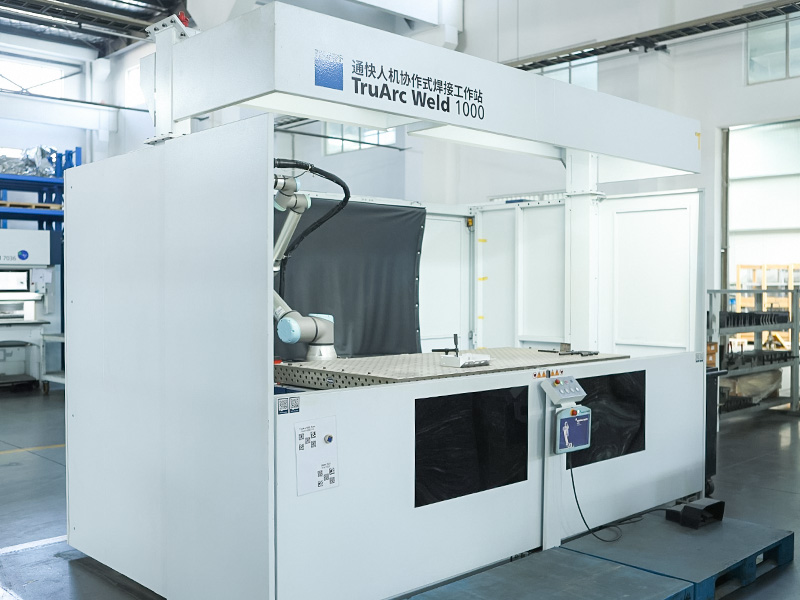 Automated Welding Solutions for Strong SeamsFeaturing robotic and laser welding systems, this category supports precise, heat-managed joining for carbon steel, stainless, and aluminum, reducing distortion while delivering continuous, durable welds.View Product →
Joining deserves its own decision. Welding gives the strongest joint and a continuous seam, but it also introduces heat and distortion that may need leveling afterwards. Press riveting avoids heat entirely and holds hardware position repeatably, which suits coated panels and assemblies where appearance matters as much as strength.
Ask for the inspection scope in writing before the order starts, because "we inspect everything" means very different things at different suppliers. A workable arrangement is inspection after each operation, plus a final full check of the finished part against the drawing and the applicable international standard.
Useful documents to request for a first order include material certificates for the sheet, a dimensional report for critical features, and a first-article record if the part will repeat. Our inspection and quality control process follows this sequence, which matters most on parts where a bend angle error only shows up after the final assembly is bolted together.
What files should I send for a custom sheet metal quote?
A 3D model in STEP or IGES plus a 2D drawing with tolerances, material and finish covers almost every case. If you already have a flat pattern, send DXF or DWG instead, and the shop can work from that with the bend notes added.
How tight can sheet metal tolerances realistically be?
Plus or minus 0.1 to 0.2 mm is achievable on small laser-cut features, and bend angles typically hold within plus or minus 0.5 degrees. Tighter callouts are possible but require dedicated fixtures and inspection, so specify them only on the features that actually function.
Is there a minimum order quantity?
Custom fabrication is workable from a single prototype upward. Unit price falls with quantity mainly because programming and setup are amortized, not because the machine runs faster.
How long does a custom order take?
Lead time depends on material availability, the number of operations and the finish. Keep material grade and thickness flexible where the design allows it, since a non-standard sheet size is often the longest single delay on the schedule.
Which finish suits parts that stay outdoors?
Coating performance depends on preparation more than on the coating itself. Degrease and abrade the surface properly before polishing or spray coating, and specify masked areas so threads, mating faces and grounding points stay bare.













 +86-13771171111 +86-13338110517

 English
 中文简体
中文简体 日本語
日本語 Deutsch
 Español
 Bahasa Melayu