Content
For sheet metal fabrication, a CNC laser cutting machine is the most practical way to turn flat sheet into finished parts with high precision, but the right system is not the one with the highest wattage - it is the one matched to your material mix, thickness range, and daily throughput. In most job shops, a fiber laser in the 1 kW to 6 kW range covers mild steel, stainless steel, and aluminum work efficiently, while CO2 lasers are now the exception rather than the rule for sheet metal cutting.
A CNC laser cutter focuses a high-energy laser beam onto the sheet surface. The beam melts or vaporizes the metal along a path defined by the CNC program, and a coaxial assist gas - usually oxygen or nitrogen - blows the molten material out of the kerf. Oxygen supports mild steel cutting through an exothermic reaction, while nitrogen produces a clean, oxidation-free edge on stainless steel and aluminum.
Compared with punching or plasma cutting, laser cutting offers three practical advantages in sheet metal work:
For this reason, many fabrication shops now treat CNC laser cutting as the default first step in the sheet metal fabrication process, especially when batch sizes fluctuate.
For sheet metal, the choice of laser source matters more than any other specification. Fiber lasers have become the default for metal cutting because they absorb well in reflective materials such as aluminum, brass, and copper, and because their running cost is lower. CO2 lasers remain in some sheet metal shops, mainly for cutting thicker mild steel with oxygen or for combined metal and non-metal work.
| Aspect | Fiber laser | CO2 laser |
|---|---|---|
| Wavelength | Around 1.06 µm | Around 10.6 µm |
| Reflective metals | Good on aluminum, brass, and copper | Reflection risk; needs special optics |
| Electrical efficiency | Higher; converts more input power into beam energy | Lower; more energy lost as heat |
| Consumables | No resonator gas; optics wear slowly | Laser gas and mirrors require periodic replacement |
| Typical sheet metal range | Up to 20-25 mm mild steel with a 6 kW source | Suitable for thick plate with high-power units |
| Maintenance | Simpler beam delivery, lower service load | More optical components and alignment checks |
For most sheet metal producers, fiber is the lower-cost, higher-availability answer. The only reason to keep CO2 in the conversation is a product mix dominated by thick carbon steel plate or non-metallic materials.
When you compare quotes, focus on the numbers that affect parts per shift rather than the headline power figure.
These parameters are exactly the ones we build into our production laser cutting machines, with a focus on stable cutting performance and continuous-duty capability for sheet metal shops.
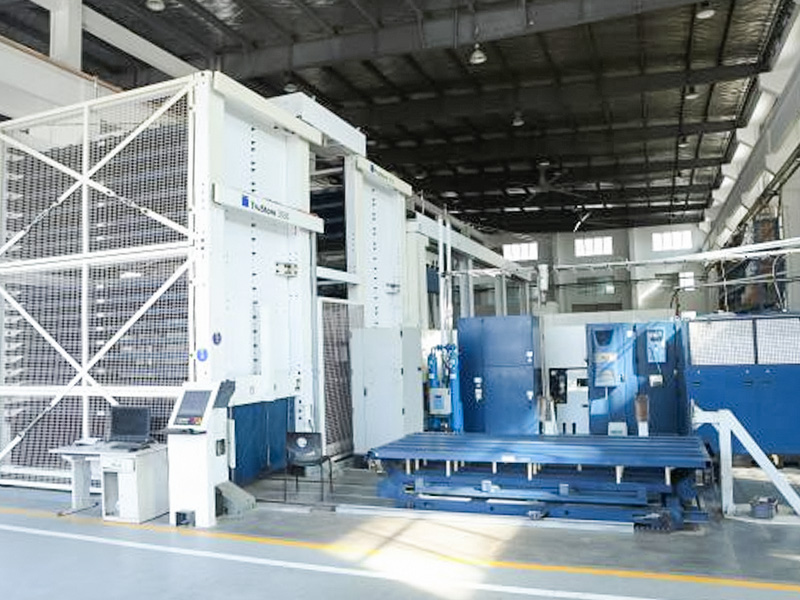 CNC Laser Cutting Machine for Sheet Metal ProductionThis production-grade CNC laser cutter delivers stable, continuous cutting for stainless steel, carbon steel, and aluminum, with large-format tables and automated chip removal—essential for defining defensible shop-floor specifications.View Product →
Follow this sequence to arrive at a specification you can defend in front of the management team.
If your workload is mostly thin sheet below 4 mm, a 1-3 kW fiber machine with an exchange table is often the sweet spot. For mixed work that includes 8-20 mm plate, move up to 4-6 kW.
For a more detailed discussion on machine selection, see our guide on how to choose the right CNC laser cutting machine.
Machine buyers in the sheet metal industry repeat the same errors. Avoiding them saves money and downtime.
If you are still unsure about the right configuration, contact our engineering team with your material list and sample drawings.
Yes. A fiber laser is particularly good with aluminum, cutting from thin foil up to 10 mm or more without the reflection problems of older CO2 systems. With nitrogen assist, the cut edge stays clean and oxidation-free.
For mild steel, a 3 kW fiber laser commonly cuts up to about 20 mm, while a 6 kW machine reaches 25 mm or slightly more. Stainless steel and aluminum limits are lower, typically around 10-14 mm at the same power levels. Most sheet metal fabrication happens below 10 mm, where a 1-2 kW machine already performs well.
Running cost consists of electricity, assist gas, and consumables such as protective windows and cutting nozzles. Nitrogen is usually the largest item when you process a lot of stainless or aluminum. Request the standard gas flow table for the machine and multiply by your local gas price, rather than relying on brochure efficiency figures.
It depends on the part. Laser cutting is more flexible for complex contours and design changes with zero tooling cost. Punching is cheaper for very high volumes of simple holes. Many shops run both, using the punch press for repetitive hole patterns and the laser for everything else.








 +86-13771171111 +86-13338110517

 English
 中文简体
中文简体 日本語
日本語 Deutsch
 Español
 Bahasa Melayu