Content
Production managers specing out a CNC metal laser cutter usually start with one number: power. After a few months on the floor, the numbers that matter turn out to be different. Cost per part, edge consistency, and maintenance intervals decide whether the machine pays for itself. The laser source type drives all three.
For most sheet-metal and plate operations, the practical answer is a fiber laser in the 1000 W to 3000 W range. It cuts stainless, aluminum, and carbon steel with lower energy cost than CO2, and it needs no resonator mirror alignment or laser gas refills.
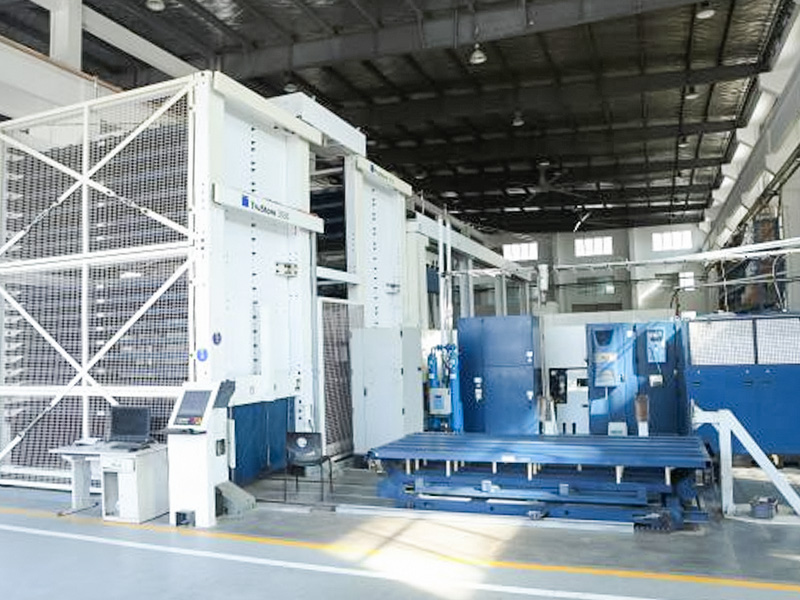 Fiber Laser Cutting Machine for Sheet Metal with CNC ControlThis machine uses a high-energy laser beam guided by an advanced numerical control system to cut stainless, carbon steel, and aluminum. It suits small-batch or complex contours, while its large worktable and gas-assisted modules support stable, continuous production.View Product →
Three laser source types currently drive industrial metal cutting: fiber, CO2, and crystal. The source determines how efficiently energy enters the metal, which sets practical speed, edge quality, and running cost.
Fiber lasers operate near 1064 nm, a wavelength that metals absorb far better than the 10.6 µm emitted by CO2 lasers. More absorbed energy means faster cutting and lower electrical draw. Fiber sources have no resonator mirrors to align and no laser gas to refill, so routine maintenance centers on the cutting head, nozzle, and protective lens.
CO2 lasers remain a proven option for very thick carbon steel with oxygen assist and for shops that also cut non-metals. Their drawbacks are higher power consumption, mirrors that need cleaning and alignment, and consumable laser gas.
Crystal lasers (Nd:YAG and Nd:YVO4) deliver excellent focus for fine features but have shorter component life and lower pumping efficiency. They are now limited mostly to precision micromachining.
| Type | Wavelength | Metal cutting efficiency | Operating cost | Typical role |
|---|---|---|---|---|
| Fiber | About 1064 nm | High | Low | Sheet-metal and plate production |
| CO2 | 10.6 µm | Medium | High | Thick steel and non-metal cutting |
| Crystal | Roughly 1064 nm | Medium | High | Precision micromachining |
If your work is dominated by stainless, aluminum, or carbon steel sheet, fiber is the rational default. Before you finalize a purchase, walk through how to choose the right CNC laser cutting machine for your workshop to weigh thick-plate and non-metal exceptions.
Four specifications have the strongest effect on productivity. Compare them at your own material thickness instead of at the brochure maximum.
A 3000 W fiber laser typically cuts 12 mm mild steel at 1.5 to 2.0 m/min with oxygen, while 2 mm stainless with nitrogen can run at 8 to 10 m/min. Estimate daily output from the thickness you process most, not from the thinnest sheet in your catalog.
Most machines quote positioning accuracy near ±0.05 mm per meter and repeatability near ±0.03 mm. Tab-and-slot assemblies, hinge brackets, and weld-prep parts depend on these values more than on laser power.
Oxygen accelerates carbon steel cutting but leaves a slight oxide on the edge. Nitrogen produces clean, oxide-free edges on stainless and aluminum. Quick switching between high-pressure nitrogen and low-pressure oxygen adds scheduling flexibility and prevents the machine from becoming a bottleneck.
Adaptive piercing reduces spatter on the lens and burr on the bottom edge by climbing in power during the pierce, then pulling back for the cut. Ask the supplier for cut samples at your dominant thickness and inspect the bottom edge for dross and the cut face for striations.
Every CNC metal laser cutting job follows a similar sequence. Understanding each stage helps you evaluate software, automation, and operator skill requirements before you sign the order.
For hole-heavy parts, a CNC punch press is often faster than laser cutting on repeated hole patterns, while the laser handles complex contours, small batches, and tight edge requirements. The two machines work well as complements in one production line.
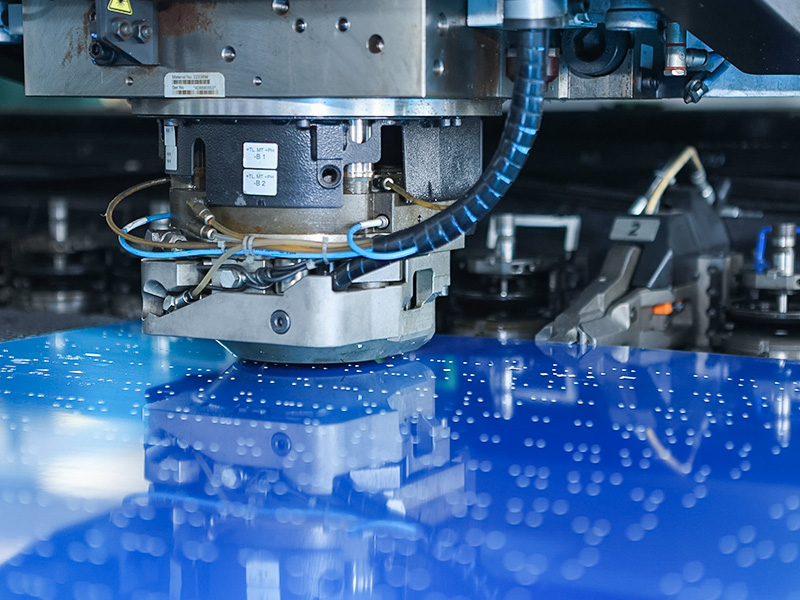 CNC Punch Press for Sheet Metal with High RigidityBuilt for punching, blanking, bending, and deep drawing, this press features a rigid frame and precise CNC stroke, speed, and pressure control. It handles steel, aluminum, and some non-metal sheets, making it an efficient complement to laser cutting for repeated patterns.View Product →
Laser power sets the practical speed and maximum thickness for each material. The values below show typical single-pass limits for modern fiber lasers with the recommended assist gas. Actual results vary with machine stiffness, optics quality, focus position, and gas purity, so treat them as a comparison framework rather than a guarantee.
| Fiber power | Mild steel with oxygen | Stainless with nitrogen | Aluminum with nitrogen |
|---|---|---|---|
| 1500 W | 12 mm | 6 mm | 5 mm |
| 3000 W | 20 mm | 12 mm | 10 mm |
| 6000 W | 25 mm | 20 mm | 16 mm |
| 12000 W | 40 mm | 30 mm | 25 mm |
If most of your work is 1 to 6 mm stainless and aluminum, a 1500 W or 3000 W machine balances speed and capital cost well. If you regularly cut 12 mm and thicker carbon steel, choose at least 6000 W. Oversizing raises the purchase price and electrical service requirement without improving thin-sheet output.
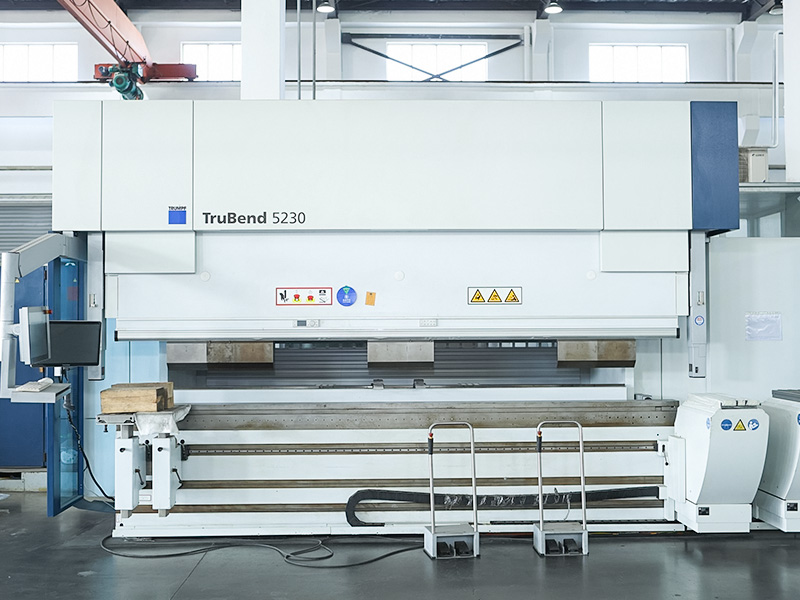
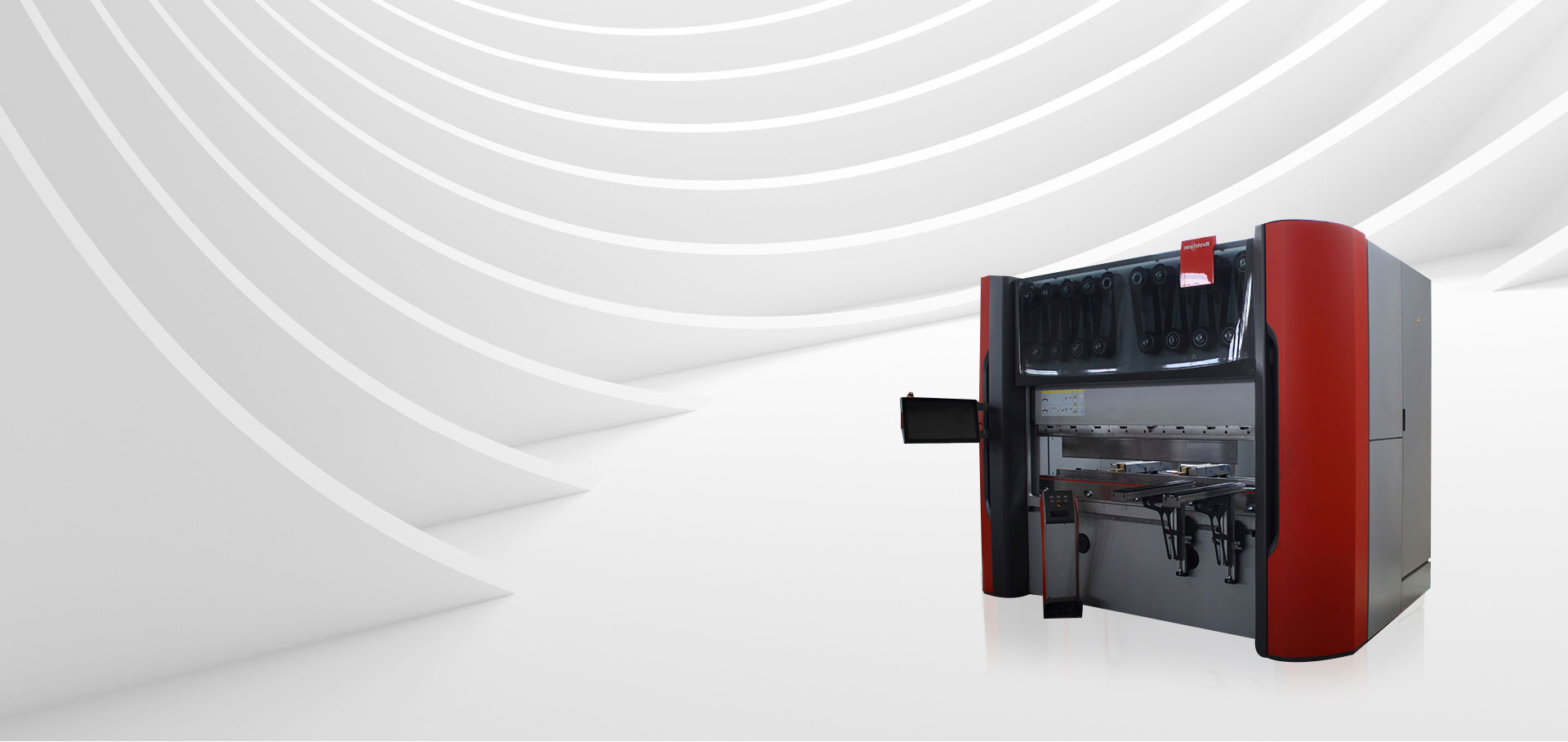
Most cut parts still need forming. A CNC bending machine paired with the laser completes the line, so plan both together to keep the bottleneck from moving downstream.
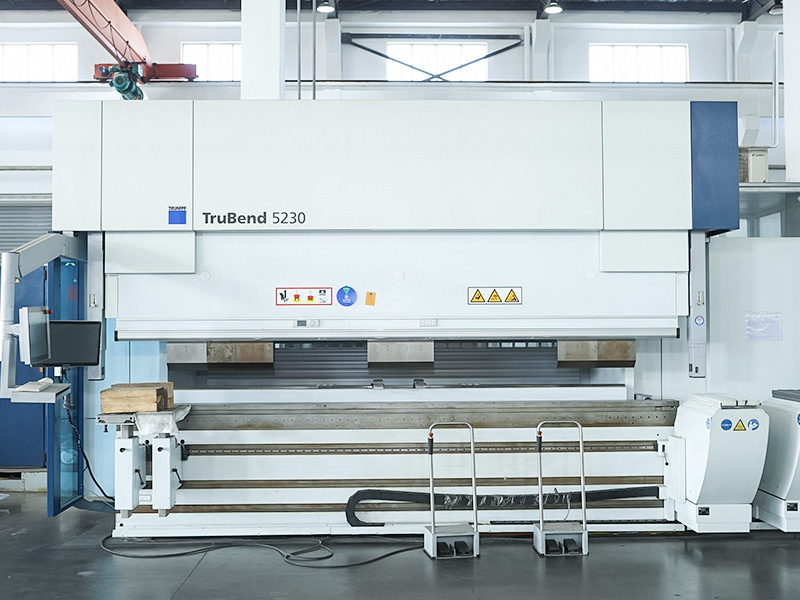 CNC Bending Machine with Precision Angle ControlThis bending machine uses a high-precision CNC system to set angle, length, and pressure, reducing errors and ensuring accuracy. Compatible with various molds, it processes carbon steel, stainless steel, and aluminum, and integrates smoothly into a cutting-to-forming production line.View Product →
The cost gap between machines shows up within the first 24 months, often long before the machine is fully amortized.
For typical fabrication volumes, the fiber advantage on electricity, gas, and optics alone often pays its higher initial price within two to three years, before counting the productivity gain from faster cutting.
Can a fiber metal laser cutter handle copper and brass?
Yes. Copper and brass absorb the fiber wavelength (about 1064 nm) far better than the CO2 wavelength, which is why fiber has become the standard for these reflective alloys. The machine still needs protection against back-reflection in the delivery fiber and cutting head, so confirm that the supplier has configured the optics accordingly. Cutting speed on copper is lower than on mild steel, and nitrogen or air is typically used to avoid oxide formation.
Should I use oxygen or nitrogen for stainless steel?
Use nitrogen when the edge must be clean and oxide-free, which is required for visible parts, welding preparation, or food-contact components. Oxygen gives a slightly faster cut on thin stainless but leaves a discolored edge and a thin oxide layer. If edge quality is not critical and the part will be painted or hidden, oxygen can reduce gas cost.
How much floor space and utility infrastructure does a CNC metal laser cutter need?
A 1500 W fiber machine typically needs about 8 to 15 square meters, including the chiller and space for sheet loading and part removal. Electrical supply is usually 400 V three-phase with a connected load of roughly 15 to 25 kVA depending on power level. You also need an assist gas supply line; nitrogen can be delivered in cylinders, dewars, or a bulk tank depending on monthly consumption.
The CNC metal laser cutter market rewards buyers who match the machine to their actual production mix. Start with a fiber machine, verify the real cutting speed at your dominant thickness, check assist gas availability in your region, and plan downstream forming at the same time.
If you already have drawings or a defined part list, a quick discussion with our custom services team can validate the machine configuration before you commit to a layout.











 +86-13771171111 +86-13338110517

 English
 中文简体
中文简体 日本語
日本語 Deutsch
 Español
 Bahasa Melayu