Content
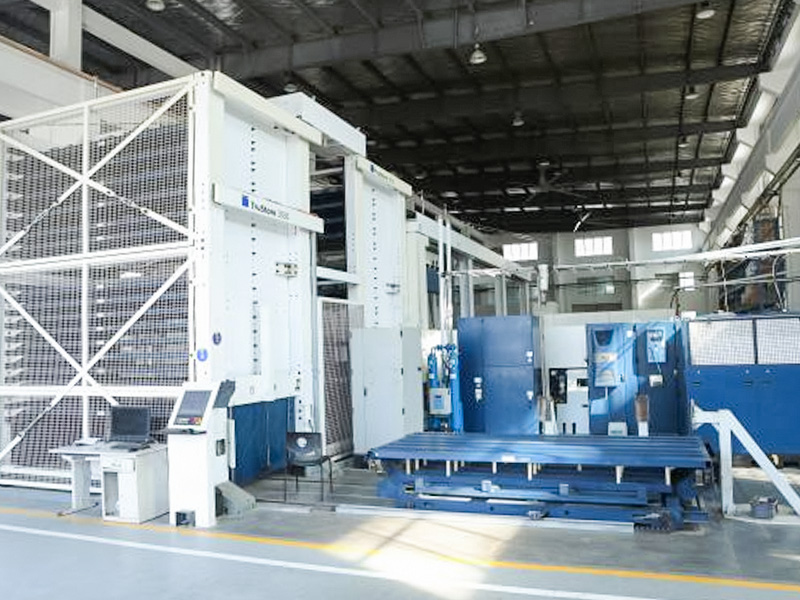
The high precision punch press is a core stamping equipment that achieves ultra-high dimensional accuracy and surface quality in metal forming operations, with a repeat positioning accuracy controlled within an extremely narrow range. It is irreplaceable in modern industrial manufacturing, especially for mass production of miniature, complex, and high-demand metal parts. Compared with traditional punch presses, it improves production efficiency by a large margin, reduces scrap rates significantly, and meets the strict quality standards of high-end manufacturing industries.
This equipment integrates advanced mechanical design, servo control systems, and precision detection technologies, breaking through the limitations of conventional stamping equipment. It can stably process various metal materials from thin foils to medium-thick plates, and is widely used in industries such as 3C electronics, automotive manufacturing, aerospace, and medical devices. The core value of the high precision punch press lies in balancing high efficiency, high precision, and high stability, becoming a key production tool for manufacturing enterprises to enhance product competitiveness and reduce long-term production costs.
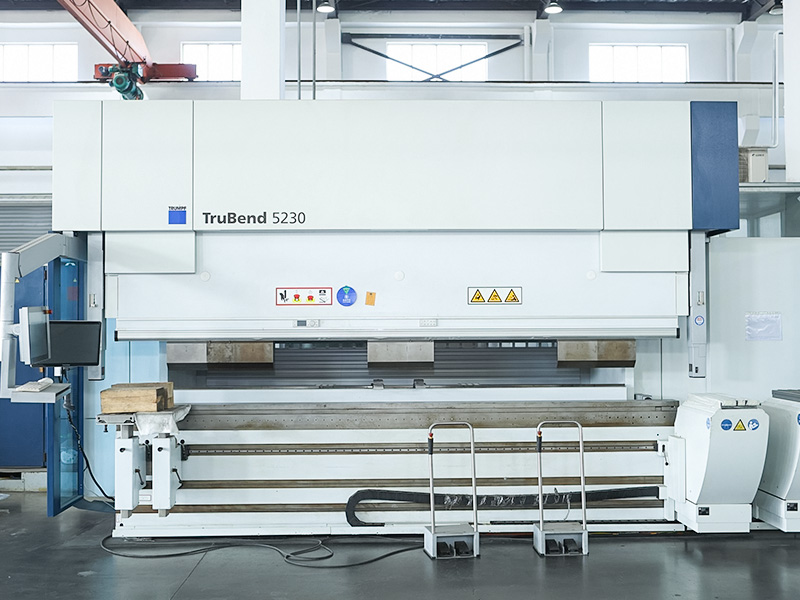
The high precision punch press is composed of multiple precision-assembled components, each of which directly affects the overall stamping accuracy and operational stability. The frame is the foundation of the entire equipment, usually made of high-strength cast iron or steel plate welding structure, with ultra-high rigidity and shock resistance, which can effectively offset the vibration generated during stamping and ensure that the equipment does not deform under long-term high-load operation.
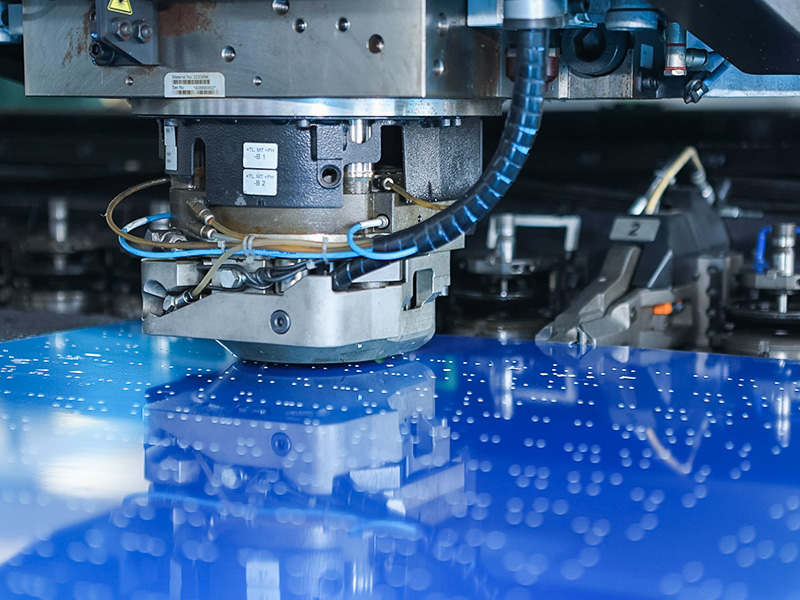
The transmission system is the core power component of the high precision punch press. Most high-end models adopt a servo direct drive structure, abandoning the traditional complex gear transmission structure, reducing mechanical clearance and transmission error. The slider is the executive component for stamping operations, connected with precision guide rails, and the matching clearance is almost zero, ensuring that the slider runs vertically without any offset during the up and down movement, which is the key to ensuring stamping accuracy.
Traditional punch presses have large mechanical clearances, obvious vibration during operation, and cannot meet the processing requirements of high-precision parts. The high precision punch press optimizes the structural design to the extreme, with rigidity improved by more than 50% compared with traditional equipment of the same tonnage. The integrated frame design reduces the number of connecting parts, further reducing the cumulative error generated in the transmission process.
In addition, the precision guide rail structure of the high precision punch press adopts a multi-point support design, which can bear eccentric load without affecting the stamping accuracy. This characteristic makes the equipment suitable for stamping complex parts with asymmetric structures, expanding the application scope of the equipment and solving the technical problems that traditional punch presses cannot process eccentric load parts.
The working principle of the high precision punch press is based on precision mechanical stamping, converting the rotary motion of the motor into the linear reciprocating motion of the slider. Under the drive of the servo system, the slider drives the stamping die to move downward, and exerts pressure on the metal sheet placed on the lower die, so that the metal material undergoes plastic deformation or separation to form the required shape and size of parts.
Different from traditional punch presses, the high precision punch press can realize flexible control of the slider stroke and speed. It can adjust the stamping speed and pressure according to the characteristics of different materials and parts, avoid material cracking or deformation caused by excessive pressure, and ensure that each stamped part meets the dimensional accuracy requirements. This flexible stamping mode is the core reason why it can adapt to diversified processing requirements.
The high precision punch press is equipped with an advanced digital control system, which is the brain of the entire equipment. The control system integrates multiple functions such as parameter setting, real-time monitoring, fault alarm, and automatic correction. Operators only need to input the required stamping parameters on the touch screen, and the system can automatically adjust the operating status of the equipment to achieve unmanned automatic production.
The control system has a high-speed response capability, with a control accuracy reaching the millisecond level. It can monitor the slider position, stamping pressure, and material feeding status in real time. Once abnormal conditions such as deviation, insufficient pressure, or material jamming are detected, the system will immediately stop the equipment and send an alarm signal to avoid the production of defective parts and damage to the equipment and die. The automatic correction function of the system can reduce the manual adjustment time by more than 60%, greatly improving production efficiency.
High precision punch presses have excellent material adaptability, and can stably process various metal materials with different hardness, thickness, and ductility. This adaptability is determined by the equipment's adjustable pressure, precise speed control, and high-rigidity structure, making it suitable for almost all metal stamping scenarios in industrial manufacturing.
| Material Type | Hardness Range | Processing Effect |
|---|---|---|
| Stainless Steel | Medium to High | Smooth surface, no burrs |
| Copper Alloy | Low to Medium | High dimensional consistency |
| Aluminum Alloy | Low | No deformation, high precision |
| Carbon Steel | Medium | Stable mass production |
For ultra-thin metal foils, the high precision punch press can realize non-destructive stamping through low-pressure and high-precision control, avoiding material tearing or wrinkling. For high-hardness alloy materials used in aerospace and automotive fields, the equipment's high-rigidity frame and sufficient stamping pressure can ensure the complete forming of materials, and the dimensional error is controlled within an extremely low range. In actual production, the scrap rate of materials processed by high precision punch presses is less than 1%, which is far lower than the 5% scrap rate of traditional punch presses, greatly saving production costs for enterprises.
In addition to solid metal materials, the high precision punch press can also process composite metal materials and plated materials. The stable stamping process will not damage the surface coating of materials, ensuring the appearance and performance of finished parts. This characteristic makes it widely used in the production of electronic components with surface anti-corrosion and conductive requirements.
The performance of high precision punch presses is evaluated by multiple core indicators, which directly determine the processing quality, production efficiency, and service life of the equipment. These indicators are the key basis for manufacturing enterprises to select equipment that matches their production needs.
Positioning accuracy refers to the error between the actual movement position of the slider and the set position, and repeat accuracy refers to the consistency of the slider reaching the same position multiple times. These two indicators are the most critical parameters to measure the precision of the punch press. The high precision punch press adopts a precision guide rail and servo control system, with repeat positioning accuracy up to micron level, which can meet the processing requirements of miniature parts with strict dimensional requirements.
In the mass production of electronic connectors, mobile phone internal parts, and other products, the repeat accuracy directly determines the pass rate of finished products. High precision punch presses can ensure that thousands of continuously produced parts have exactly the same size, without individual differences, meeting the assembly requirements of automated production lines.
High precision punch presses have a high stamping speed, which can realize high-frequency reciprocating stamping. The speed can be adjusted steplessly according to processing needs, balancing speed and precision. Compared with traditional punch presses, the production efficiency is improved by a large margin, especially in mass production, which can complete large orders in a shorter time and reduce the unit production cost of parts.
The stamping pressure of high precision punch presses covers a wide range, from small-tonnage models for miniature parts to medium-tonnage models for automotive parts. The equipment can output stable pressure during operation, with strong overload protection capability. Even under full-load continuous operation, it can maintain stable performance without pressure attenuation, ensuring the forming quality of thick plate and high-hardness materials.
With the advantages of high precision, high efficiency, and high stability, high precision punch presses have become essential equipment in multiple high-end manufacturing fields, supporting the production of core components and promoting the upgrading and development of the entire industry chain.
The 3C electronics industry is the largest application field of high precision punch presses, used to produce mobile phones, tablets, laptops, and other internal metal parts, including connectors, shrapnel, brackets, and heat sinks. These parts have small size, complex structure, and extremely high precision requirements, and traditional punch presses cannot meet the production standards. High precision punch presses can mass-produce micron-level precision electronic parts, with a pass rate of over 99%, ensuring the performance and stability of electronic products.
In the automotive manufacturing industry, high precision punch presses are used to process core components such as automotive sensors, engine parts, chassis connectors, and new energy battery terminals. Automotive parts have extremely high safety and reliability requirements, and the dimensional accuracy and material strength of stamped parts directly affect the safety performance of vehicles. High precision punch presses can ensure the consistency and stability of automotive parts, meeting the IATF quality management system standards of the automotive industry.
The aerospace field has extremely strict requirements on component precision and material performance, and high precision punch presses are used to process special alloy components of aircraft and spacecraft. These components work in extreme environments, and any dimensional error may lead to serious safety hazards. The medical device industry also relies on high precision punch presses to produce surgical instruments, implantable metal parts, and diagnostic equipment components, requiring smooth surfaces, no burrs, and high biocompatibility.
In the hardware and home appliance industry, high precision punch presses are used to produce precision hardware accessories, refrigerator compressor parts, washing machine connectors, and other components. While ensuring precision, they improve production efficiency, reduce costs, and help enterprises enhance their market competitiveness in the fiercely competitive home appliance market.
High precision punch presses are high-end precision equipment, and scientific daily maintenance is the key to ensuring long-term stable operation, extending service life, and maintaining processing accuracy. Correct maintenance can reduce equipment failure rates, avoid production interruptions caused by downtime, and reduce maintenance costs.
The common faults of high precision punch presses mainly include precision deviation, abnormal noise, stamping pressure instability, and control system failure. Most faults are caused by inadequate maintenance or improper operation. Regular lubrication can reduce the wear of guide rails and transmission components and avoid precision deviation; standardized operation can prevent the equipment from running under overload and reduce the probability of abnormal noise and pressure instability.
Enterprises should establish a complete equipment maintenance file, record daily operation and maintenance data, and conduct regular comprehensive inspections. Scientific maintenance can extend the service life of high precision punch presses by more than 30%, and keep the processing accuracy unchanged for a long time, creating long-term value for production.
Selecting a high precision punch press suitable for its own production needs is crucial for manufacturing enterprises. Correct selection can maximize equipment efficiency, avoid resource waste caused by mismatched parameters, and ensure product quality and production efficiency.
First, determine the required stamping pressure according to the material type and thickness of the processed parts. Choosing too small pressure will lead to incomplete forming, and too large pressure will increase equipment costs and energy consumption. Second, select the equipment with appropriate positioning accuracy according to the dimensional accuracy requirements of the parts. For ultra-precision electronic parts, models with higher precision must be selected.
In addition, production capacity is also a key selection factor. For enterprises with mass production needs, high-speed high precision punch presses should be selected to improve output. For enterprises with diversified and small-batch production needs, models with flexible parameter adjustment and strong adaptability should be selected to meet the processing requirements of different parts.
High precision punch presses can be equipped with automatic feeding devices, waste collection systems, online detection systems, and other auxiliary configurations. Automated configurations can reduce manual participation, improve production efficiency, and reduce labor costs. The online detection system can automatically screen defective parts, further improving the product pass rate. Enterprises can match corresponding configurations according to their own automation production needs to achieve the optimal production solution.
With the continuous development of intelligent manufacturing and material technology, high precision punch presses are moving towards higher precision, higher efficiency, intelligence, and greening, and technological innovation will further enhance the performance and application scope of the equipment.
Future high precision punch presses will achieve higher positioning accuracy, approaching the ultimate precision of mechanical stamping. At the same time, the equipment will be more integrated, combining stamping, bending, forming, and other processes into one, realizing one-time forming of complex parts and reducing the process flow and production cycle.
Artificial intelligence and big data technology will be deeply applied in high precision punch presses. The equipment will have self-learning and self-optimization functions, automatically adjusting stamping parameters according to material characteristics and production data, and realizing fully autonomous intelligent production. The remote monitoring and fault diagnosis system will enable maintenance personnel to quickly solve equipment faults without on-site operation, improving maintenance efficiency.
The new generation of high precision punch presses will adopt energy-saving servo systems and low-noise structural designs, reducing energy consumption and noise pollution during operation. The recycling technology of stamping waste will be more mature, realizing the recycling of metal materials and meeting the requirements of green and sustainable development of manufacturing industry.
In the future, high precision punch presses will become the core equipment of intelligent stamping production lines, promoting the transformation and upgrading of global metal processing manufacturing industry and providing strong support for the production of higher quality, higher performance, and more innovative industrial products.













 +86-13771171111 +86-13338110517

 English
 中文简体
中文简体 日本語
日本語 Deutsch
 Español
 Bahasa Melayu