Content
Sheet metal bending machines are core industrial equipment dedicated to plastically deforming metal sheets into preset angles, shapes, and structures through mechanical or hydraulic driving force. The core value of this equipment lies in achieving high-precision, high-efficiency, and high-consistency sheet metal forming, which directly determines the quality and production efficiency of metal structural parts in modern manufacturing. For most standard metal sheet processing scenarios, correctly selecting and operating a bending machine can reduce forming defects by more than 80% and improve production efficiency by 50% or more compared with manual bending and simple processing tools.
The entire application system of sheet metal bending machines covers equipment classification, working principles, operation specifications, maintenance management, application scenarios, and development trends. Mastering this content is the prerequisite for giving full play to the performance of the bending machine, ensuring processing safety, and extending the service life of the equipment. Whether it is mass industrial production or small-batch customized processing, sheet metal bending machines have become irreplaceable key equipment in the metal processing industry chain.
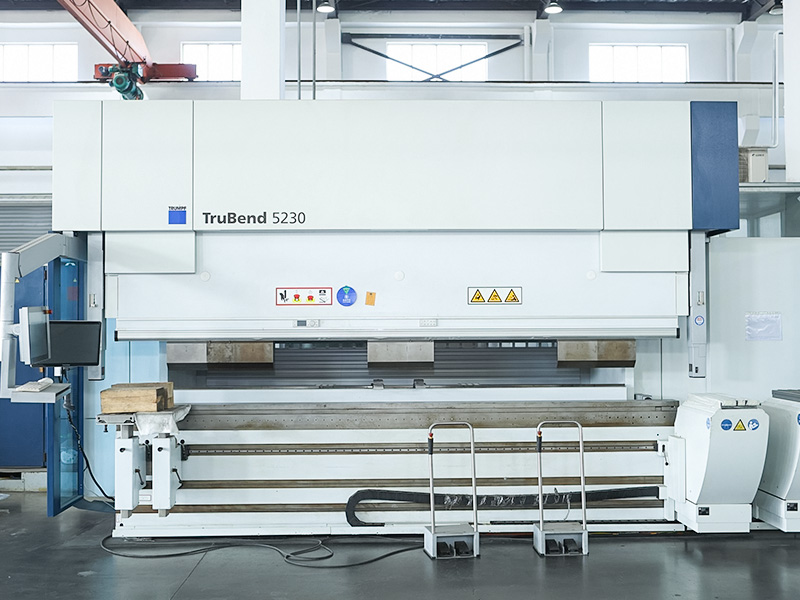
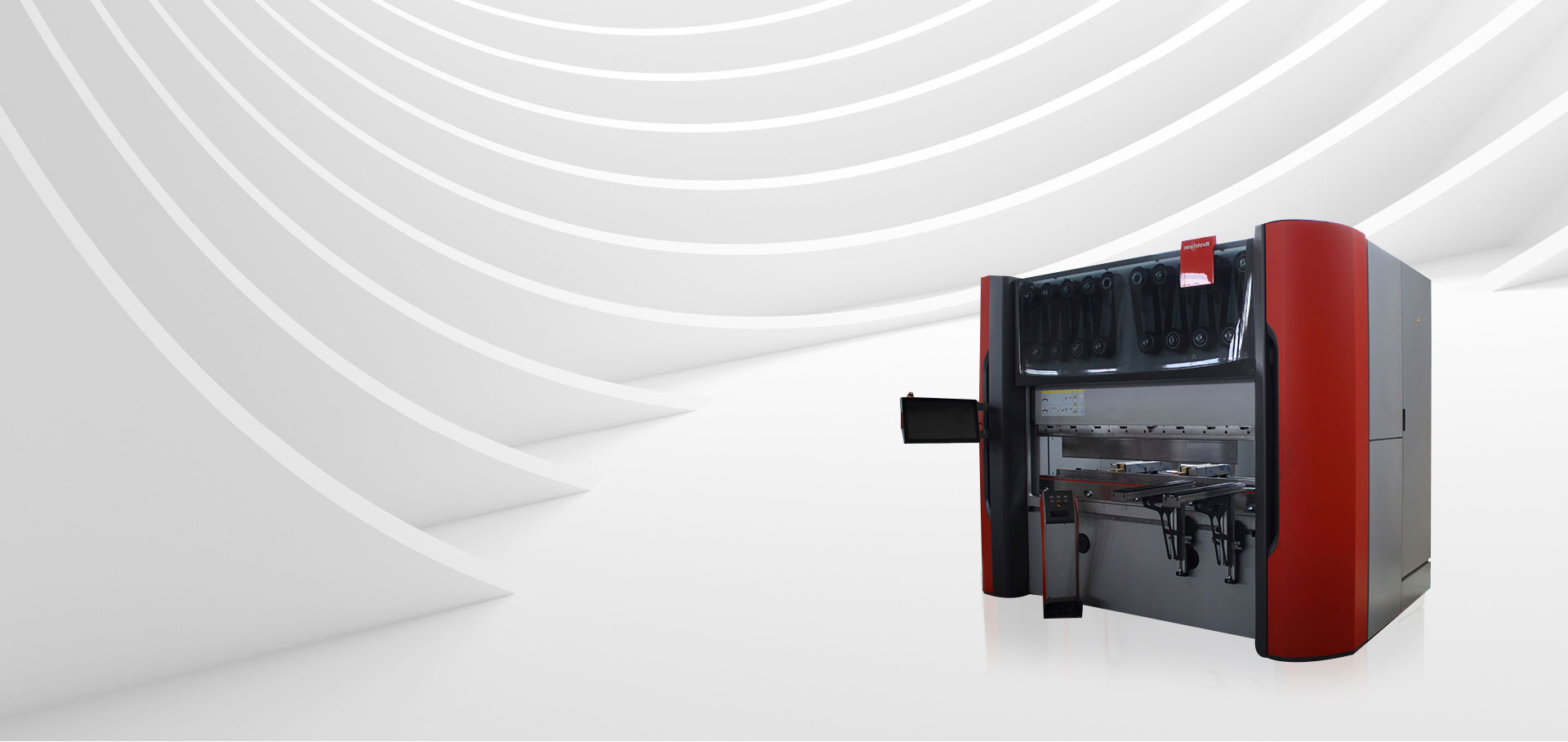
Sheet metal bending machines are divided into multiple categories according to driving mode, structure type, and control system. Different types of equipment have unique performance advantages and applicable processing scenarios, and targeted selection can maximize processing benefits.
Driving mode is the most basic classification standard of bending machines, which directly affects the equipment's pressure output, stability, and energy consumption.
Structural design determines the processing range of the equipment, and the control system determines the intelligence level of the bending operation.
| Machine Type | Pressure Range | Precision Level | Applicable Scenarios |
|---|---|---|---|
| Hydraulic Press Brake | Medium to High | Medium | Thick plate, mass production |
| CNC Servo Brake | Medium | High | Precision parts, complex forming |
| Manual Bender | Low | Low | Small batch, maintenance |
The working principle of sheet metal bending machines is based on the plastic deformation characteristics of metal materials. Under the action of external force, the metal sheet exceeds its elastic deformation limit and undergoes irreversible plastic deformation, so as to obtain the required shape and angle.
The complete bending operation of the sheet metal bending machine includes four key steps, and each step is closely linked to ensure the forming effect.
The final forming quality of the sheet is not only related to the performance of the bending machine, but also affected by material characteristics, die parameters, and process settings. Controlling these factors can effectively reduce defects such as springback, cracks, and dimensional deviations.
In actual processing, the springback phenomenon is the most common problem. After the external force is removed, the metal sheet will produce a certain angle of rebound. For this reason, the bending machine usually needs to set an over-bending angle in advance to compensate for the springback error, which is one of the core skills of precision bending processing.
Standardized operation is the core guarantee to ensure the processing quality of sheet metal bending machines and the personal safety of operators. More than 90% of equipment failures and safety accidents are caused by non-standard operation, so strict compliance with operation specifications is a mandatory requirement for all users.
Adequate preparation before starting the equipment can avoid most faults and ensure the stability of the processing process.
During the operation of the bending machine, operators must abide by strict safety norms to avoid mechanical injuries.
After the processing is completed, correct finishing can extend the service life of the equipment and keep the working environment tidy.
First, turn off the power supply and hydraulic system of the equipment, clean the surface of the machine and the chips on the die, and apply anti-rust oil on the die and the working table. Second, sort out the formed sheets and measuring tools, and record the processing parameters and equipment operation status for subsequent traceability and adjustment. Finally, check the equipment again to confirm that there is no damage or fault before leaving the operating post.
Daily maintenance is the key to maintaining the performance of sheet metal bending machines and reducing the failure rate. Regularly maintained bending machines can extend their service life by more than 50% compared with equipment lacking maintenance, and reduce the downtime caused by faults by more than 60%.
Daily maintenance is simple and easy to operate, and it is the most frequent maintenance link, which can effectively prevent the accumulation of small faults.
Periodic maintenance is carried out according to the service time of the equipment, mainly for the comprehensive inspection and maintenance of core components.
Mastering common fault handling methods can quickly solve equipment problems and reduce production downtime.
| Fault Type | Causes | Solutions |
|---|---|---|
| Insufficient Bending Pressure | Hydraulic oil leakage, pump wear | Replace seals, repair hydraulic pump |
| Bending Angle Deviation | Die wear, parameter error | Replace die, recalibrate parameters |
| Abnormal Noise | Lack of lubrication, loose parts | Add lubricant, tighten components |
Sheet metal bending machines are widely used in all fields of modern manufacturing and are the core processing equipment for manufacturing metal structural parts. Almost all industries involving sheet metal forming are inseparable from the application of bending machines, and their application scope covers both mass industrial production and customized precision processing.
The automobile manufacturing industry is one of the largest application fields of sheet metal bending machines. More than 60% of the structural parts and appearance parts of automobiles need to be processed by bending machines, including body frames, door panels, exhaust pipes, and various internal metal brackets. CNC bending machines are widely used in this field due to their high precision and high efficiency, which can meet the mass production and high consistency requirements of automobile manufacturing.
In the construction field, sheet metal bending machines are used to process metal components such as steel structure brackets, ceiling keels, and door and window frames. In the hardware industry, they are used to produce daily hardware, kitchen utensils, tool shells, and other products. For medium and thick plate processing in the construction industry, hydraulic bending machines are the preferred models due to their large pressure output; for small hardware products, small CNC bending machines can achieve efficient and precise forming.
The shells and internal structural parts of electrical equipment, such as refrigerators, washing machines, air conditioners, and electronic control boxes are all processed by sheet metal bending machines. This field has extremely high requirements for the surface quality and dimensional accuracy of sheets, so electro-hydraulic servo bending machines are widely used, which can ensure that the surface of the product is free of scratches and the dimensional error is controlled within an extremely small range.
In the aerospace and shipbuilding fields, sheet metal bending machines are used to process high-strength alloy sheets and special metal materials. These materials have high hardness and high strength requirements, so large-tonnage hydraulic bending machines and high-precision CNC bending machines are required. The bending parts in this field are mostly used in key structural positions, and the forming accuracy and quality directly affect the safety and performance of the overall equipment, so the processing requirements are more stringent.
In addition to the above fields, sheet metal bending machines are also widely used in furniture manufacturing, petrochemical equipment, agricultural machinery, and other industries. With the development of manufacturing intelligence, the application scenarios of bending machines will continue to expand, and their importance in the industrial chain will be further enhanced.
With the advancement of industrial technology and the upgrading of manufacturing demand, sheet metal bending machines are developing in the direction of intelligence, precision, energy saving, and integration. Technological innovation has completely changed the performance and application mode of traditional bending machines.
An intelligent control system is the core development direction of sheet metal bending machines. Modern bending machines are integrated with artificial intelligence, Internet of Things, and automatic sensing technologies, which can realize automatic parameter adjustment, real-time error compensation, and unmanned production. Intelligent bending machines can reduce the dependence on manual operation by more than 80%, and greatly improve the processing efficiency and consistency.
At the same time, the automated production line composed of bending machines, robots, and conveying equipment has realized the full automation of feeding, bending, and unloading, which is suitable for large-scale and continuous processing scenarios, and has become the standard configuration of modern intelligent factories.
The precision of sheet metal bending machines is constantly improving, and the bending angle error has been reduced from the initial ±1 degree to ±0.1 degree, which can meet the processing requirements of ultra-precision metal parts. In terms of efficiency, the new type of bending machine adopts a high-speed driving system and optimized die design, and the single bending cycle time is shortened by more than 30% compared with traditional equipment.
Energy conservation and emission reduction have become an important indicator of the development of industrial equipment. The new sheet metal bending machine adopts servo hydraulic control and variable frequency energy-saving technology, which can reduce energy consumption by 30% to 50% compared with traditional hydraulic bending machines. At the same time, the equipment reduces noise and oil pollution in the working process, which meets the requirements of green manufacturing.
Future sheet metal bending machines will develop towards multi-function integration, integrating bending, shearing, punching, and other processes into one piece of equipment, realizing one-time forming of complex parts. This integrated design can reduce the floor area of equipment, reduce the number of equipment transfers in the processing process, and further improve the overall efficiency of metal processing.
In general, the technological innovation of sheet metal bending machines is always centered on meeting the higher requirements of modern manufacturing for precision, efficiency, and intelligence. With the continuous breakthrough of technology, this equipment will play a greater role in the upgrading and transformation of the manufacturing industry.
Correct selection of sheet metal bending machines is the premise of ensuring processing efficiency and product quality. The selection needs to comprehensively consider multiple factors such as processing materials, production demand, precision requirements, and site conditions, and avoid mismatching between equipment performance and actual demand.
The thickness and material strength of the processed sheet are the core basis for selecting the tonnage of the bending machine. For thin sheets with low strength, small-tonnage mechanical or manual bending machines can be selected; for thick sheets and high-strength alloy materials, medium and large-tonnage hydraulic bending machines must be selected to ensure sufficient bending pressure.
For small-batch and low-precision processing, ordinary manual or semi-automatic bending machines can meet the demand; for mass production and high-precision complex forming, CNC or electro-hydraulic servo bending machines are the best choice, which can reduce the labor cost and error rate caused by manual operation.
Small processing workshops are suitable for small and medium-sized bending machines with small floor area and flexible operation; large industrial manufacturing enterprises can configure large-scale bending machines and automated production lines according to production scale. At the same time, the power supply, hydraulic system configuration, and operating space of the site also need to match the selected equipment to ensure the normal operation of the equipment.
In the selection process, it is also necessary to consider the after-sales maintenance and accessory supply of the equipment to ensure that the equipment can be maintained and repaired on time after a fault. Reasonable selection can not only meet the current processing needs but also reserve a certain space for the expansion of production scale in the future, maximizing the investment value of the equipment.













 +86-13771171111 +86-13338110517

 English
 中文简体
中文简体 日本語
日本語 Deutsch
 Español
 Bahasa Melayu