Content
Precision Sheet Metal Components play a foundational role in today’s industrial engineering, providing structural integrity, functionality, and dimensional accuracy across a wide range of applications. These components are manufactured through highly controlled processes that include laser cutting, CNC bending, punching, machining, and finishing. The resulting parts exhibit tight tolerances, consistent geometry, and excellent repeatability—features that industries increasingly require as machinery shifts toward automation and high-efficiency operation. The rise of digital manufacturing has amplified the importance of precision metal components. Industries such as electronics, energy, automotive, and mechanical equipment now rely on exact structural parts that can support compact assembly layouts and withstand demanding operating conditions. As mechanical systems become more integrated, the need for custom precision sheet metal fabrication services grows, ensuring that equipment can meet performance expectations without compromising reliability. High-end sheet metal fabrication also enhances sustainability in modern engineering. By optimizing thickness, material consumption, and structural load distribution, precision sheet metal allows manufacturers to reduce waste and boost lifecycle efficiency. This approach supports cost-effective maintenance cycles and enhances product longevity. Furthermore, materials like stainless steel, aluminum, and coated metals provide excellent chemical and environmental resistance, allowing components to remain stable in harsh installations or continuous high-load environments. Overall, precision sheet metal is essential in bridging the gap between product design and real-world performance, ensuring that conceptual engineering translates into stable, reliable, and long-lasting industrial systems.
The applicability of Precision Sheet Metal Components spans virtually every industrial sector due to their versatility, strength, and structural stability. They serve as fundamental elements in automation systems, structural housings, safety enclosures, heat dissipation modules, mounting brackets, brackets, guiding rails, and interface plates. Precision components also support electrical distribution systems, robotics, motion devices, and advanced mechanical structures, making them indispensable in both traditional and modern industries. Industrial machinery especially depends on precision sheet metal components for industrial machinery, as the structural layout of equipment requires components that resist deformation under stress and vibration. In sectors such as renewable energy, laboratory equipment, detection systems, and process automation, precision sheet metal ensures consistent performance even under extreme conditions. Additionally, industries increasingly value lightweight yet strong sheet metal parts, which can reduce the load on equipment, enhance energy efficiency, and support smoother assembly workflows. With growing global emphasis on efficiency and sustainability, sheet metal components have become key contributors in extending machinery lifespan and optimizing performance cycles. The adoption of advanced fabrication technologies further expands application possibilities, giving engineers greater creative freedom in product design. This broad applicability highlights the significance of sheet metal in industrial evolution, as companies seek reliable, efficient, and customizable engineered solutions to enhance their technological capabilities.
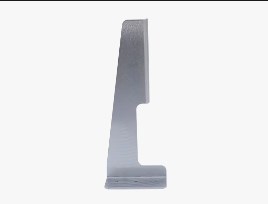
Dimensional precision is one of the most critical benefits offered by Precision Sheet Metal Components. Engineering-grade manufacturing enables strict control over tolerances, making these components ideal for delicate assemblies and high-performance mechanical systems. Industries that require exact alignment, such as semiconductor equipment or high-speed automation, increasingly adopt high tolerance sheet metal parts manufacturing to reduce assembly errors and improve operational stability. Precise dimensions help minimize mechanical vibration and reduce friction-related wear. They also allow components to integrate seamlessly with sensors, actuators, motors, and electronic control modules, ensuring consistent performance over time. This is particularly important in complex industrial environments where even slight deviations can cause system failures or significant operational inefficiency. Precision metal components also reduce rework and adjustment time during assembly, shortening production cycles and increasing throughput. They support sustainable production methods by minimizing scrap rates, improving material utilization, and enhancing process efficiency. With global industries shifting toward smart manufacturing, the capacity to deliver tight tolerances has become a competitive advantage, making precision metal components essential for long-term operational success.
Manufacturers rely on sheet metal due to its excellent strength-to-weight ratio and adaptability. The fabrication process supports a diverse range of materials including stainless steel, aluminum, cold-rolled steel, and coated metals, each offering unique advantages for specific industrial needs. When combined with cnc precision sheet metal processing solutions, these materials produce highly stable components that can withstand significant mechanical, thermal, and environmental stress. Material flexibility allows engineers to design components optimized for various applications. Stainless steel provides corrosion resistance and structural stability, making it ideal for harsh environments. Aluminum offers lightweight performance with sufficient rigidity, suitable for applications requiring mobility or reduced mechanical load. Specialty metals can be engineered for high-temperature environments, electrical insulation, or enhanced durability. The adaptability of sheet metal also improves manufacturing workflow. Engineers can implement reinforcement ribs, ventilation patterns, precision holes, and integration slots directly into the component design. This eliminates the need for additional parts, reduces fastener usage, and enhances structural integrity. These properties make sheet metal a preferred choice for industries seeking both mechanical performance and operational efficiency.
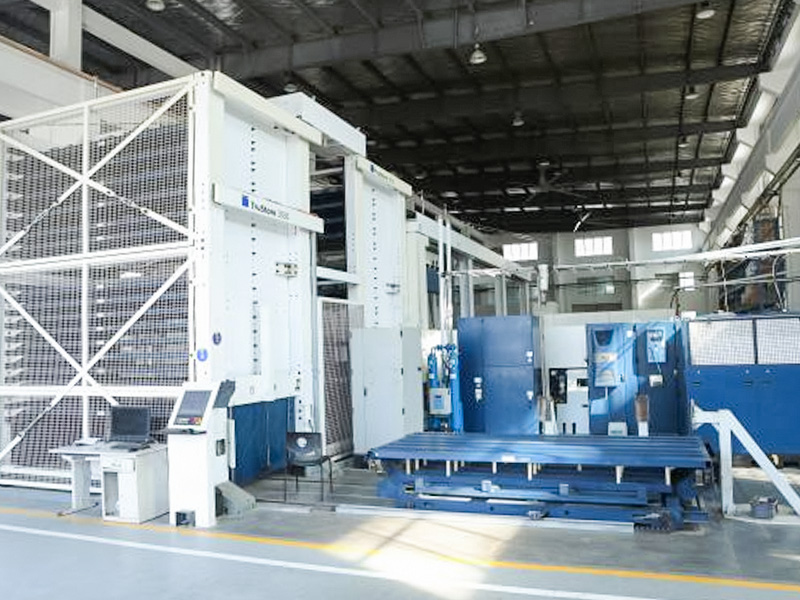
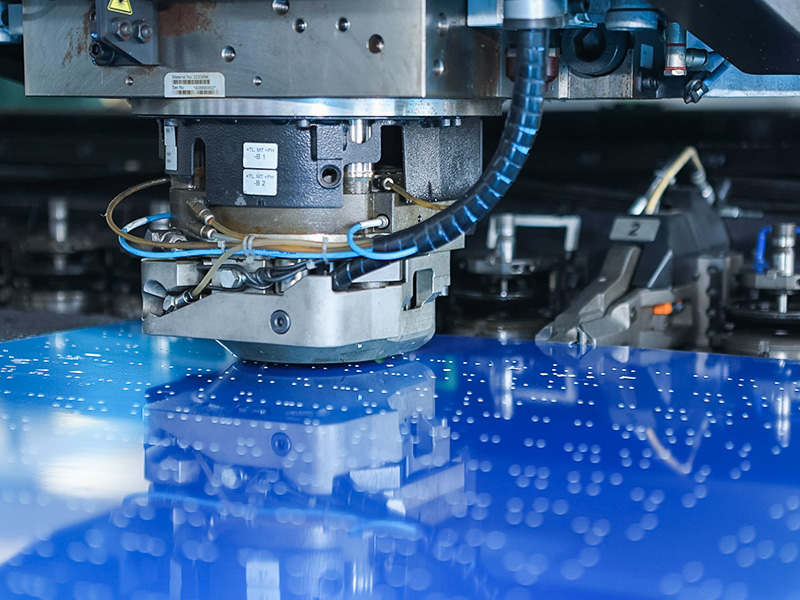
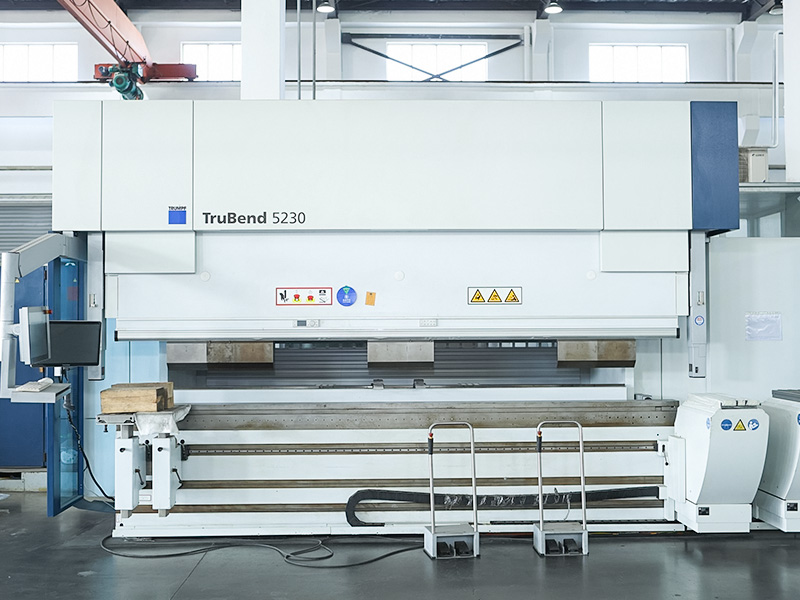
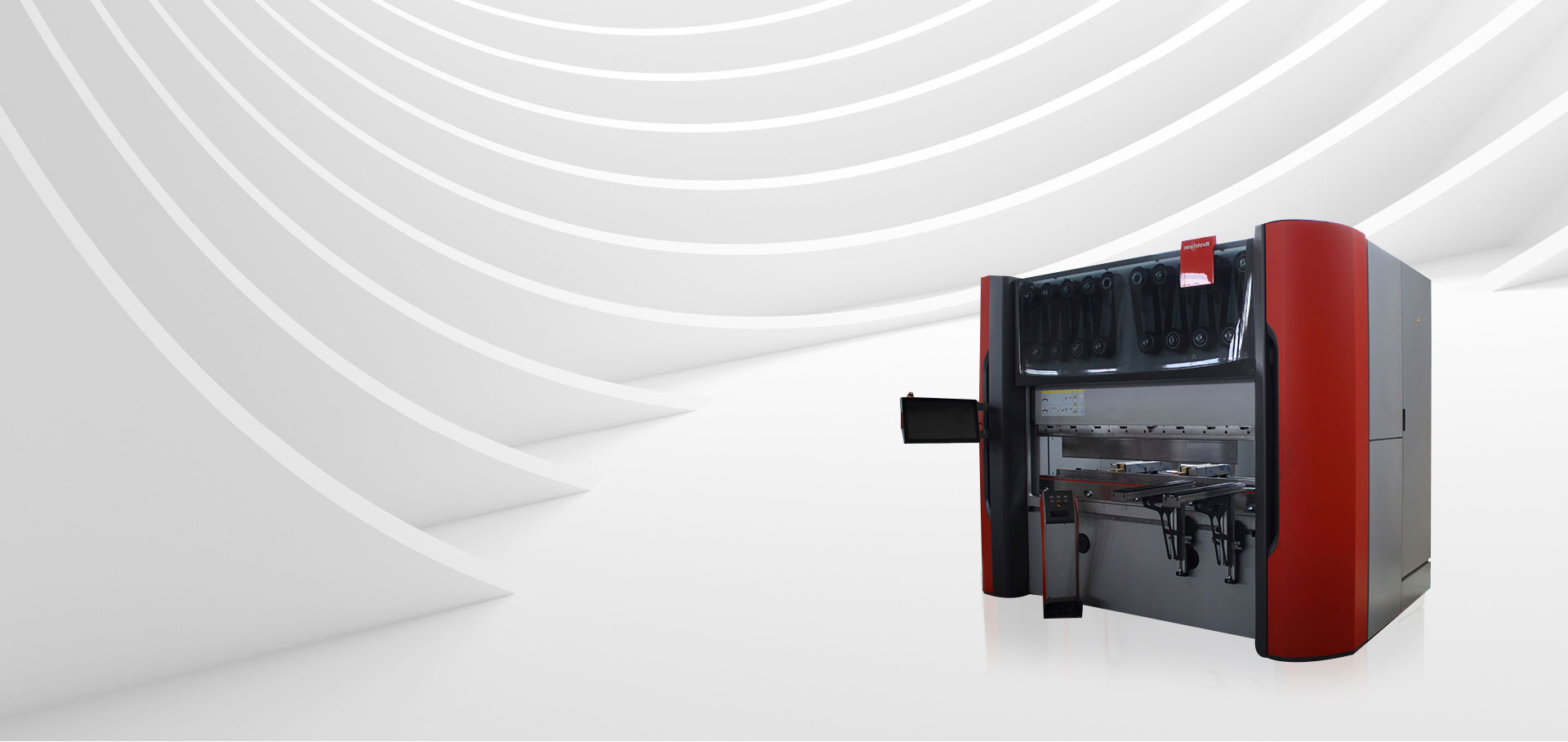
CNC manufacturing plays a transformative role in the production of Precision Sheet Metal Components. By integrating digital controls with mechanical operations, CNC equipment ensures stable, repeatable, and high-precision results. The use of automated cutting, bending, drilling, tapping, and machining significantly enhances production efficiency. Industries adopting cnc precision sheet metal processing solutions benefit from minimized human error and optimized accuracy. CNC laser cutting, for example, delivers smooth edges and tight tolerances across even the most complex shapes. CNC bending machines ensure angular consistency, which is crucial for maintaining structural alignment in high-end equipment. CNC technology also supports design freedom, allowing engineers to produce intricate geometries and fine structural patterns that would be difficult or impossible through conventional methods. Digital programming further ensures consistent quality across both prototype and mass-production batches while enabling rapid adjustments during development. The increasing demand for complex, integrated, and lightweight designs has made CNC-driven sheet metal manufacturing indispensable for global industries.
Prototype development is a critical process in modern engineering. Before moving into full production, companies rely on small batch precision sheet metal prototype production to validate design accuracy, evaluate structural performance, and optimize functional features. Prototyping enables engineers to analyze potential weaknesses, identify assembly issues, and ensure compatibility with other mechanical components. It also supports performance testing under real-world conditions, including temperature exposure, mechanical load, and vibration. By validating designs early, manufacturers reduce the risk of costly redesigns and shorten product development cycles. Small batch production also empowers companies to refine technical specifications, material selection, and thickness parameters. This iterative approach ensures that the final product meets both performance and durability expectations. Furthermore, prototype development allows companies to introduce innovative designs into the market more quickly, giving them a competitive advantage in fast-evolving technological sectors. In industries requiring precision, reliability, and structural stability, small batch prototyping has become a strategic necessity.
Industrial machinery relies heavily on customized metal components designed to meet specific operational demands. Custom precision sheet metal fabrication services enable engineers to design components that improve machine functionality, reduce vibration, enhance load-bearing capacity, and ensure structural compatibility with complex assemblies. Customized fabrication allows integration of features such as reinforcement ribs, ventilation panels, mounting holes, and connection interfaces—elements essential for machinery operating under continuous stress. Engineers can optimize component geometry to reduce weight while maintaining mechanical strength. This enhances energy efficiency, reduces operational noise, and increases equipment lifespan. Additionally, custom sheet metal supports modular industrial design. Components can be tailored to future upgrades, allowing machinery systems to evolve without requiring complete structural redesign. This adaptability is especially valuable in industries with rapidly changing technologies. By aligning component design with operational requirements, customized sheet metal helps companies achieve higher productivity, operational stability, and long-term cost efficiency.
The differences between standard sheet metal and Precision Sheet Metal Components directly influence equipment performance, reliability, and longevity. Standard components may be sufficient for basic applications but often fall short in high-demand industrial environments where exact measurements, strict tolerances, and structural reliability are crucial.
Industries using precision sheet metal components for industrial machinery typically experience improved assembly efficiency, decreased maintenance, and reduced system failures. Precision components align seamlessly with mechanical modules, reducing friction, mechanical stress, and long-term deformation. They also integrate better with modern automated systems that rely on precise interfaces for optimal operation. The table below outlines the major differences between standard and precision sheet metal components:
| Feature | Standard Sheet Metal | Precision Sheet Metal Components |
| Tolerance | Moderate to High | Tight and Strictly Controlled |
| Surface Finish | Basic Finishing | High-Quality Surface Treatment |
| Structural Strength | Adequate | High Stability and Durability |
| Application Suitability | General Use | High-Performance Industrial Machinery |
Precision components ensure alignment accuracy, reduce vibration, and maintain structural integrity even under continuous operation. As demand for precision sheet metal components for industrial machinery increases, industries rely on high-quality sheet metal to improve system performance and operational efficiency.
CNC enhances cutting accuracy, bending consistency, and hole precision. Through cnc precision sheet metal processing solutions, manufacturers achieve consistent geometry across large and small batches, reduce scrap rates, and improve fabrication efficiency.
With small batch precision sheet metal prototype production, companies can verify design feasibility, perform stress tests, and optimize assembly compatibility. This reduces production risks and ensures final components meet performance expectations.
Materials include stainless steel, aluminum, carbon steel, and coated metals. Each material supports mechanical stability, corrosion resistance, and application-specific performance for Precision Sheet Metal Components.
High tolerance levels, strong material characteristics, and stable geometry reduce mechanical wear. Industries adopting high tolerance sheet metal parts manufacturing experience fewer failures and longer equipment lifespan.













 +86-13771171111 +86-13338110517

 English
 中文简体
中文简体 日本語
日本語 Deutsch
 Español
 Bahasa Melayu