

Don't hestiate to ask us something, Our customer support team always ready to help youthey wil support you 24/7.
The backbone of countless industries, from sleek electronics enclosures to robust automotive frames, is formed by the precise manipulation of metal sheets. At the heart of this transformative process lies Sheet Metal Fabrication Equipment. This comprehensive category encompasses the advanced machinery that cuts, bends, forms, and joins sheet metal, turning raw materials into complex, functional components with remarkable speed and precision. For manufacturers and fabricators navigating the path towards greater efficiency and capability, understanding this equipment is not optional—it's fundamental to staying competitive. Companies that integrate this technology, such as those experienced in precision components and automation like Wuxi Shaofang Machinery Co., Ltd., leverage it to deliver complete, high-quality solutions to their customers.
| Core Product | Sheet Metal Fabrication Equipment |
| Primary Categories | Cutting, Forming, Joining, Finishing, and Automation Systems |
| Core Function | Processing metal sheets via cutting, punching, bending, welding, and assembly |
| Key Characteristics | High Precision, High Efficiency, High Automation, CNC/PLC Control, Versatile Material & Thickness Handling |
| Typical Equipment | Laser Cutters, CNC Punch Presses, Press Brakes, Shears, Welding Robots, Deburring Machines, Automated Lines |
| Control Method | Computer Numerical Control (CNC), Programmable Logic Controller (PLC) |
| Drive Technology | Servo Motors, Hydraulic Drive, Electric Drive |
| Industry Application | Automotive, Aerospace, Enclosures, Appliances, Construction, Electronics, Metal Products |
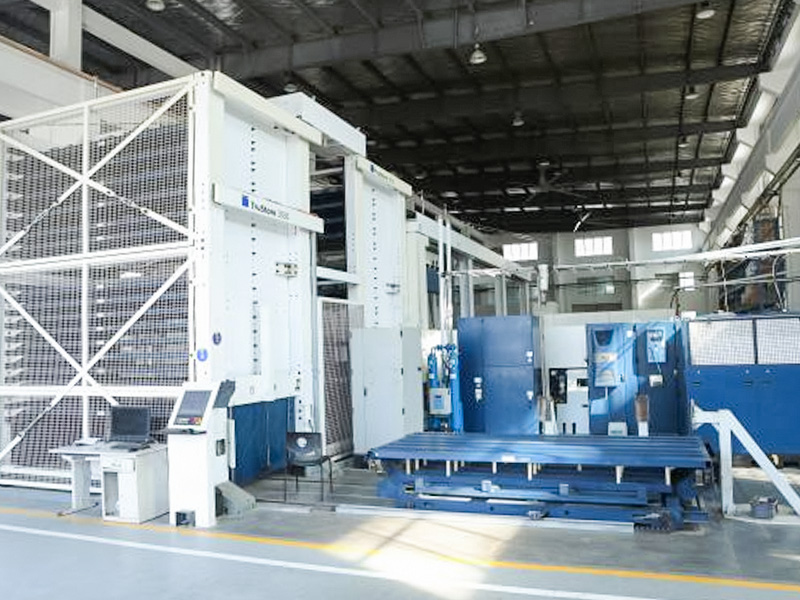
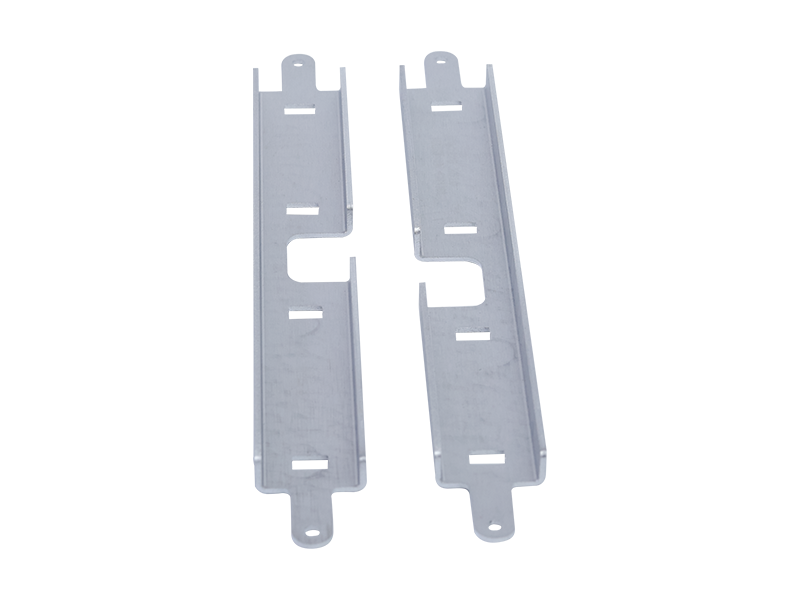
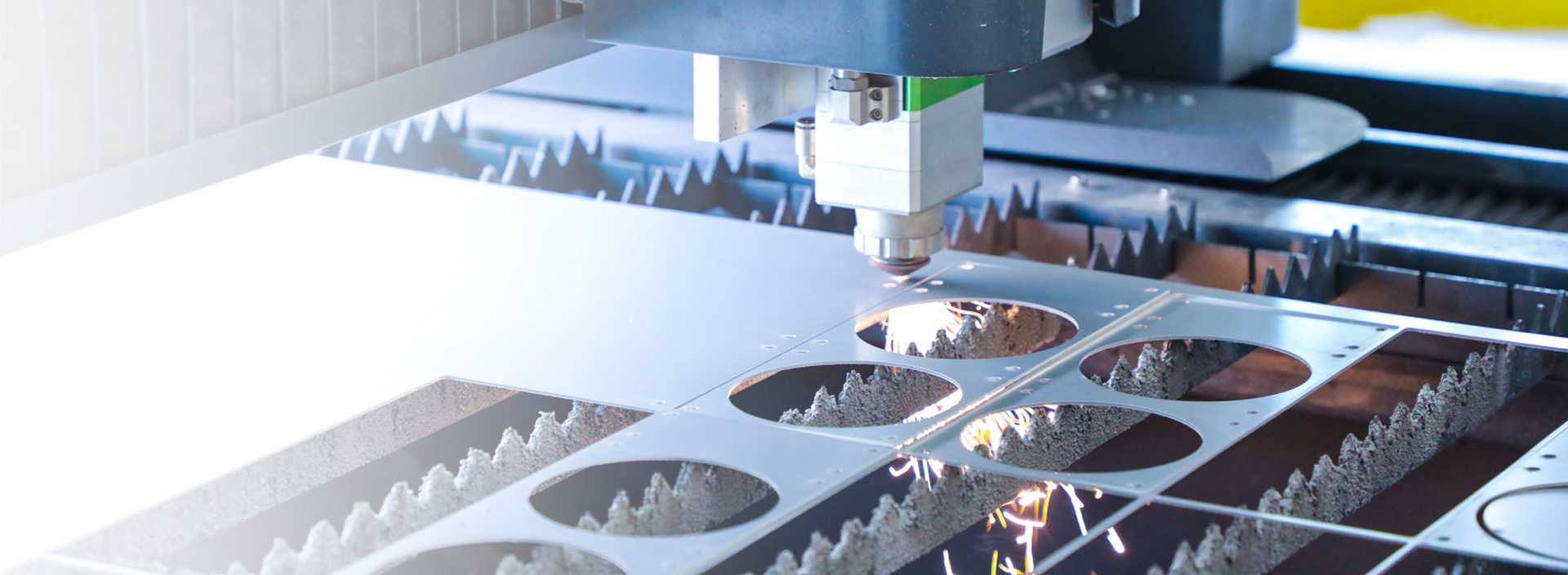
Modern sheet metal fabrication is a meticulously choreographed sequence of operations, each enabled by specialized equipment. The journey begins with cutting, where large sheets are divided. Here, CNC Laser Cutting Machines dominate for complex contours and high precision, using a focused beam to vaporize material. For high-volume hole punching and simple shapes, CNC Turret Punch Presses offer incredible speed. Once cut, parts move to forming. The CNC Press Brake is the maestro of this stage, using precisely controlled force and tooling to create accurate bends and angles. For joining, automated Welding Robots provide consistent, strong seams, while finishing equipment like automated deburring machines ensure safety and aesthetics. The true power emerges when these machines are integrated into a Flexible Manufacturing Cell (FMC), connected by robotics and managed by a central system, which dramatically reduces manual handling and boosts overall equipment effectiveness (OEE).
Choosing the right fabrication equipment is a technical decision driven by quantifiable parameters that directly impact part quality and shop floor productivity. For cutting, laser power (measured in Watts) determines the maximum material thickness and cutting speed, while positioning accuracy (e.g., ±0.05mm) guarantees dimensional fidelity. In bending, the force capacity of a press brake (in tons) must match the material's yield strength and bend length, and its angle accuracy and repeatability are critical for part consistency. When considering a CNC punch press, key specs include tonnage, table size, hit rate (strokes per minute), and available tool stations. Beyond individual machines, the concept of a Flexible Manufacturing Cell introduces parameters like cell cycle time, robot payload, and tool changeover time. Understanding these specifications allows fabricators to match equipment capabilities precisely to their product mix, material types (mild steel, stainless, aluminum), and target tolerances, ensuring a return on investment through reduced scrap and rework.
| Technology | Best For | Key Advantage | Typical Precision | Consideration |
| CNC Fiber Laser Cutter | Complex 2D contours, thin to medium sheets, various metals | Extreme flexibility, no tooling cost per shape, excellent edge quality | ±0.1 mm | Higher initial investment, consumable costs (gas, lenses) |
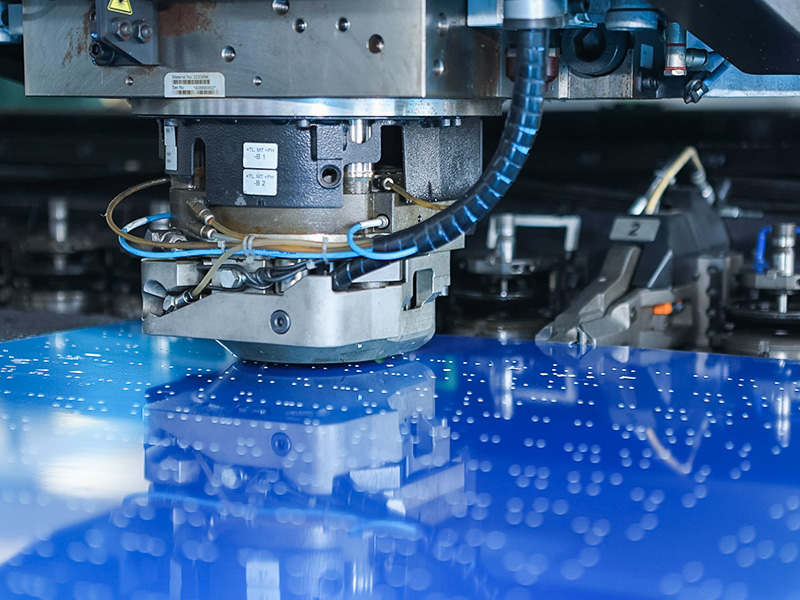
| CNC Turret Punch Press | High-volume hole patterns, standard shapes (squares, louvers), medium sheets | Extremely fast for repetitive features, can perform forming (tapping, embossing) | ±0.1 mm | Requires physical tooling, less efficient for large, complex cutouts |
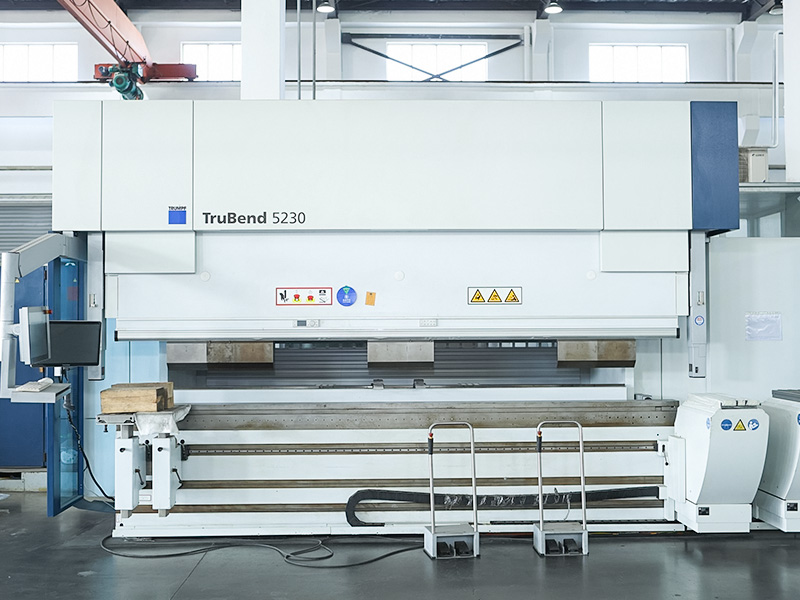
| CNC Press Brake | Creating bends, boxes, and angled forms | Unmatched for creating 3D geometry from flat patterns, highly accurate angles | ±0.5° on angle | Requires skilled programming and tool setup, different tooling for different bends |
The next frontier for sheet metal fabrication equipment is connectivity and intelligence. Moving beyond basic CNC control, smart machines are now equipped with sensors that monitor health and performance in real-time. This enables Predictive Maintenance, where data on vibration, temperature, and motor current can forecast component failures before they cause unplanned downtime. Furthermore, the Internet of Things (IoT) allows for the collection of machine data—utilization rates, cycle times, error codes—on centralized dashboards. This provides invaluable insights into Overall Equipment Effectiveness (OEE), helping identify bottlenecks and optimize workflow. Looking ahead, integration with AI could lead to self-optimizing processes where machines automatically adjust cutting parameters for different material batches or compensate for tool wear in real-time, pushing the boundaries of autonomy and consistent quality in fabrication shops.
While both are excellent tools, fiber lasers have become the dominant technology for cutting most metals, particularly thin to medium thicknesses. The key difference lies in the laser beam generation. A fiber laser generates its beam within a fiber optic cable, making it more electrically efficient (often 2-3 times more than CO2), requiring less cooling, and having fewer optical components to maintain. This results in lower operating costs, faster cutting speeds (especially on reflective metals like aluminum and copper), and generally better edge quality on thin materials. CO2 lasers, which generate the beam in a gas mixture, can still be effective for very thick plates and non-metallic materials, but for the majority of sheet metal fabricators, a fiber laser offers a superior balance of performance, reliability, and cost of ownership.
Space and facility requirements are critical planning factors. A modern fiber laser cutter typically requires a footprint that accommodates the machine itself, its chiller unit, and space for material loading/unloading. This can range from 150 to 300+ square meters depending on the table size. They require a stable, level concrete floor, a robust electrical supply (often 3-phase), and a clean, dry air supply for the optics. A CNC press brake needs less ancillary equipment but requires significant space for the long bed and for handling large, bent parts. It also needs a very solid foundation to handle the dynamic forces during bending. Crucially, both machines may require enhanced ventilation or fume extraction systems to remove cutting fumes or dust. Always consult the manufacturer's site preparation guide for precise specifications before purchase.
Yes, retrofitting is a viable and often cost-effective strategy. Older mechanical press brakes or shears can be upgraded with modern CNC backgauges and angle measurement systems, dramatically improving their accuracy and repeatability. For automation, robotic arms can be integrated with existing laser cutters or punch presses for automated loading and unloading, creating a semi-automated cell. The feasibility depends on the mechanical condition of the base machine. Retrofitting can extend the productive life of solid, well-built equipment at a fraction of the cost of a new machine. However, for core processes where speed and precision are paramount, such as replacing an old CO2 laser tube with a new fiber source, a complete machine replacement might offer a better long-term return on investment due to the radical improvement in performance and energy efficiency.
Modern equipment incorporates multiple layers of safety. For laser cutters, fully enclosed interlocked light-tight cabins with safety-rated viewing windows are mandatory to contain the harmful laser radiation. Press brakes feature sophisticated laser or light-curtain safeguarding systems that stop the ram if a hand breaks the plane of the danger zone. Many now also include collision detection systems that prevent tool crashes. For all CNC machinery, emergency stop buttons at multiple locations, safe access procedures for tool changing, and comprehensive user training are fundamental. Additionally, integrated fume extraction is a critical safety and health feature. When evaluating equipment, ensure it complies with relevant international safety standards (like CE in Europe or OSHA guidelines in the US) and that safety systems are not bypassable for convenience.
This decision hinges on your production mix, workflow, and risk management. A single, large-format laser or press brake can handle a wider range of jobs, simplifying scheduling but creating a single point of failure—if it's down, all production stops. Multiple smaller machines offer redundancy; if one is down, others can keep running. They also allow for better workflow specialization (e.g., one machine dedicated to small, quick jobs). For high-volume, repetitive work, a dedicated machine or cell is ideal. For job shops with diverse, unpredictable orders, flexibility is key. Analyze your historical and projected order data: consider maximum sheet size, required throughput, and the value of redundancy. Often, a hybrid approach—one large-format machine complemented by one or two smaller, faster units—provides an optimal balance of capability and resilience.













 +86-13771171111 +86-13338110517

 English
 中文简体
中文简体 日本語
日本語 Deutsch
 Español
 Bahasa Melayu