Content
Sheet metal bending machines, as one of the indispensable pieces of equipment in manufacturing, play a crucial role in modern production. They are not only involved in the processing and shaping of metal sheets but are also closely related to the quality and efficiency of various engineering projects. Whether in the automotive, home appliance, construction, or other industries, the application of sheet metal bending machines is extremely widespread.
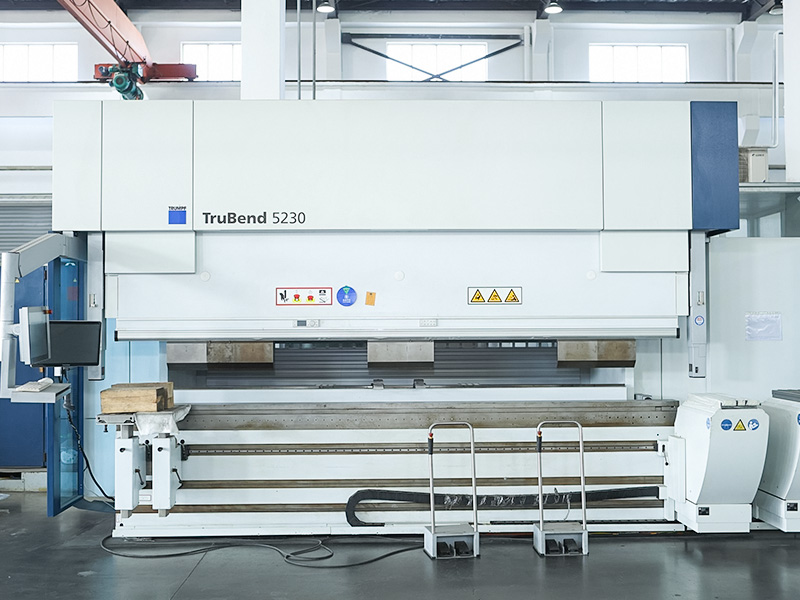
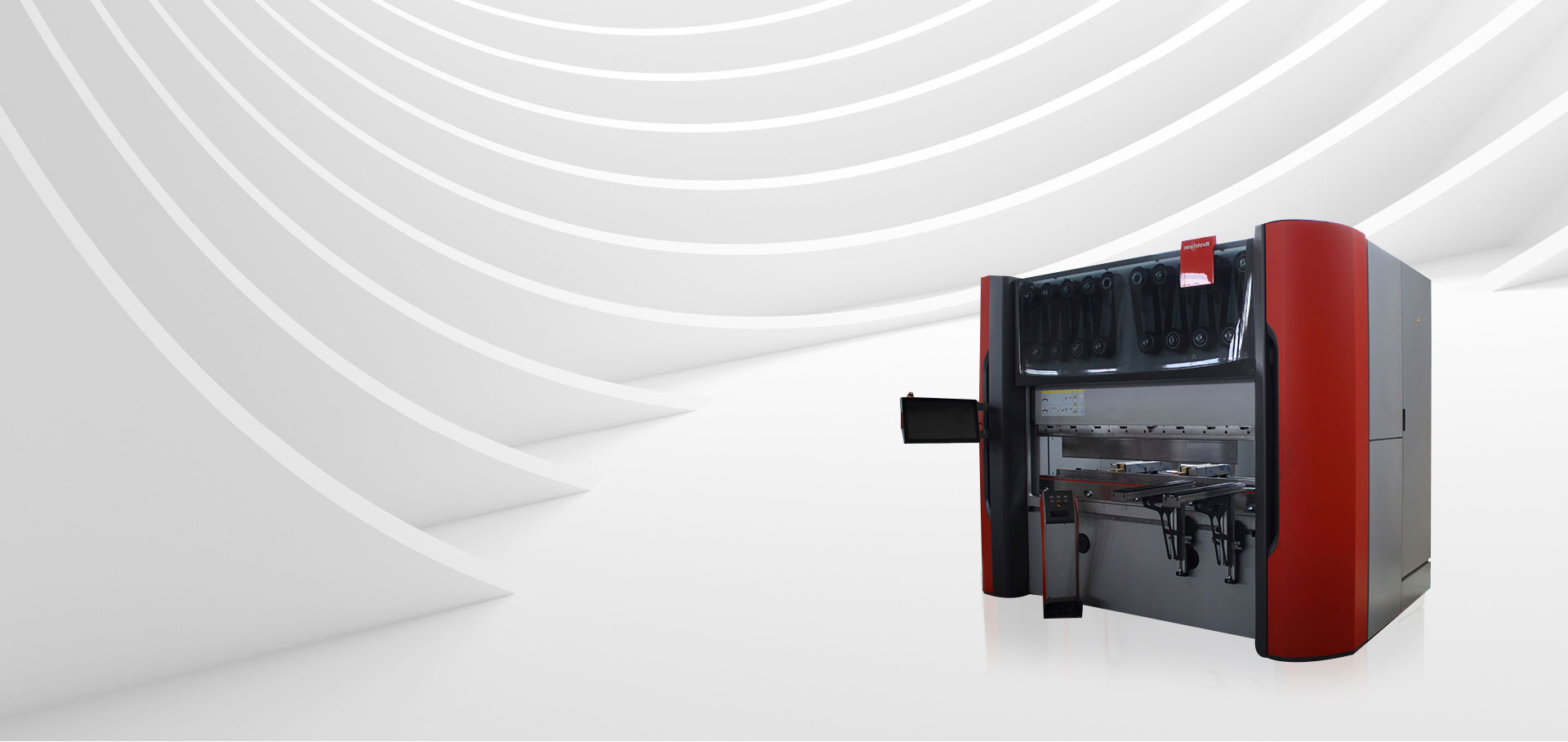
A sheet metal bending machine, also known as a bending press, is a processing device that applies pressure to metal sheets to cause plastic deformation, thereby achieving the desired bending angle. Typically, this type of equipment consists of a machine body, bending workbench, upper die, lower die, slider, and hydraulic cylinder. The entire system's operation mainly relies on a hydraulic system or mechanical transmission system for power. During operation, the metal sheet is pressed between the upper and lower dies, and with the help of the bending angle of the lower die and the vertical movement of the upper die, the sheet is ultimately bent.
Unlike traditional manual bending, sheet metal bending machines utilize a precise control system to accurately adjust parameters such as bending angle and bending depth, thus possessing the characteristics of high precision and high efficiency. Modern bending machines mostly use CNC systems, allowing operators to perform precise programming via touch screens or computers, making the processing of different shapes of sheet metal effortless.
Choosing a suitable sheet metal bending machine requires considering several factors. The machine's working capacity, i.e., its maximum bending force and the thickness and width of the metal sheets it can process, are the most basic technical indicators. The bending capacity of the sheet metal bending machine directly affects the types and sizes of metal sheets that can be processed. When purchasing, it is necessary to choose a machine with appropriate specifications based on actual processing needs.
The precision of the bending machine is equally crucial. In high-precision sheet metal processing, any small error can affect the quality of the final product. Modern CNC bending machines achieve real-time correction and adjustment through a closed-loop control system, ensuring that every piece of sheet metal meets the preset precision requirements. Therefore, the level of precision directly relates to production efficiency and processing quality.
In addition to these basic indicators, the speed and operability of the bending machine are also important factors influencing the selection. High-speed bending machines can significantly improve production efficiency, while user-friendly interfaces reduce operational difficulty and improve worker comfort and safety. In automated production processes, the automatic mold adjustment system and robotic arms can work together to reduce manual intervention and increase the level of automation in the production line.
Sheet metal bending machines are widely used in various industries, such as automotive manufacturing, home appliance production, and construction engineering. Their applications include the design and structural processing of metal sheets. Due to their high flexibility and processing accuracy, bending machines demonstrate strong adaptability in processing metal sheets of various shapes and sizes.
Compared with traditional manual processing, sheet metal bending machines not only improve production efficiency but also greatly enhance processing quality. Modern CNC systems make the production process more precise, reducing waste and errors caused by operational mistakes, and shortening production cycles.
The precise control of sheet metal bending machines also makes them crucial in complex product manufacturing processes. They can efficiently complete various complex bending process requirements, such as U-shaped, V-shaped, and S-shaped bending of different sheet metal shapes. With continuous technological advancements, sheet metal bending machines not only support traditional two-dimensional bending functions but can also perform three-dimensional bending, greatly expanding their application scenarios.
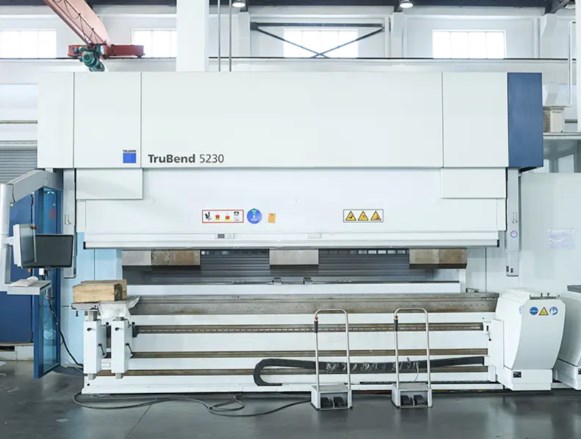
For the operation of sheet metal bending machines, in addition to understanding the basic working principles of the machine, operating techniques and precautions should not be overlooked. Operators must strictly follow operating procedures to ensure that the equipment operates normally and to avoid accidents or equipment damage caused by improper operation.
Before operation, a comprehensive inspection of the type, thickness, and size of the sheet metal should be performed to confirm that the selected mold matches the workpiece, and the machine parameters should be adjusted according to the characteristics of the sheet metal. For high-strength sheet metal, increased pressure is required during bending, while for thinner materials, the pressure can be appropriately reduced. Adjust the bending angle and number of bends according to the actual situation to achieve the best results.
During operation, special attention should be paid to checking the hydraulic and electrical systems to avoid problems such as insufficient oil pressure and voltage fluctuations, which can directly affect the equipment's working efficiency and bending quality. Operators should regularly perform cleaning, lubrication, and maintenance to keep the equipment running smoothly.
Like other equipment, maintenance and upkeep are crucial for sheet metal bending machines. Regular inspections and maintenance not only ensure stable operation but also significantly extend the machine's lifespan. Routine maintenance includes changing fluids, cleaning filters, and checking electrical circuits.
Maintenance of the hydraulic system is particularly critical. Hydraulic oil replacement and cleaning must be performed according to the manufacturer's specifications. The bending machine's operating accuracy is closely related to the oil pressure; the stability of the oil pressure directly determines the bending machine's performance. Regularly checking components such as cylinders and oil pipes for wear is also necessary to ensure long-term stable operation of the equipment.
Operators should regularly inspect all moving parts of the machine body, such as sliders and transmission systems, to ensure there are no loose parts or malfunctions, preventing production problems caused by mechanical wear.
When choosing a sheet metal bending machine, the most crucial factor is selecting a model that suits your processing needs, considering the thickness, width, and bending angle requirements of the sheet metal. Generally, the sheet metal bending machine model should have sufficient pressure and processing range to meet daily production needs.
The accuracy of the sheet metal bending machine is usually controlled by a CNC system. During operation, parameters such as molds, pressure, and speed are adjusted in real time to ensure that the bending degree and angle of each workpiece meet the preset standards. Regular calibration of the equipment is also an important measure to guarantee accuracy.
The maintenance costs of sheet metal bending machines mainly depend on their usage frequency and working environment. Regular maintenance and timely replacement of worn parts can effectively reduce maintenance costs and extend the equipment's lifespan.
Sheet metal bending machines are widely used in the processing of various metal sheets such as aluminum, stainless steel, iron, and copper, and can meet almost all metal sheet processing needs. However, when choosing equipment, it is still necessary to make a reasonable choice based on the specific properties of the processing material.













 +86-13771171111 +86-13338110517

 English
 中文简体
中文简体 日本語
日本語 Deutsch
 Español
 Bahasa Melayu