

 +86-13771171111 +86-13338110517

 English
 中文简体
中文简体 日本語
日本語 Deutsch
 Español
 Bahasa Melayu

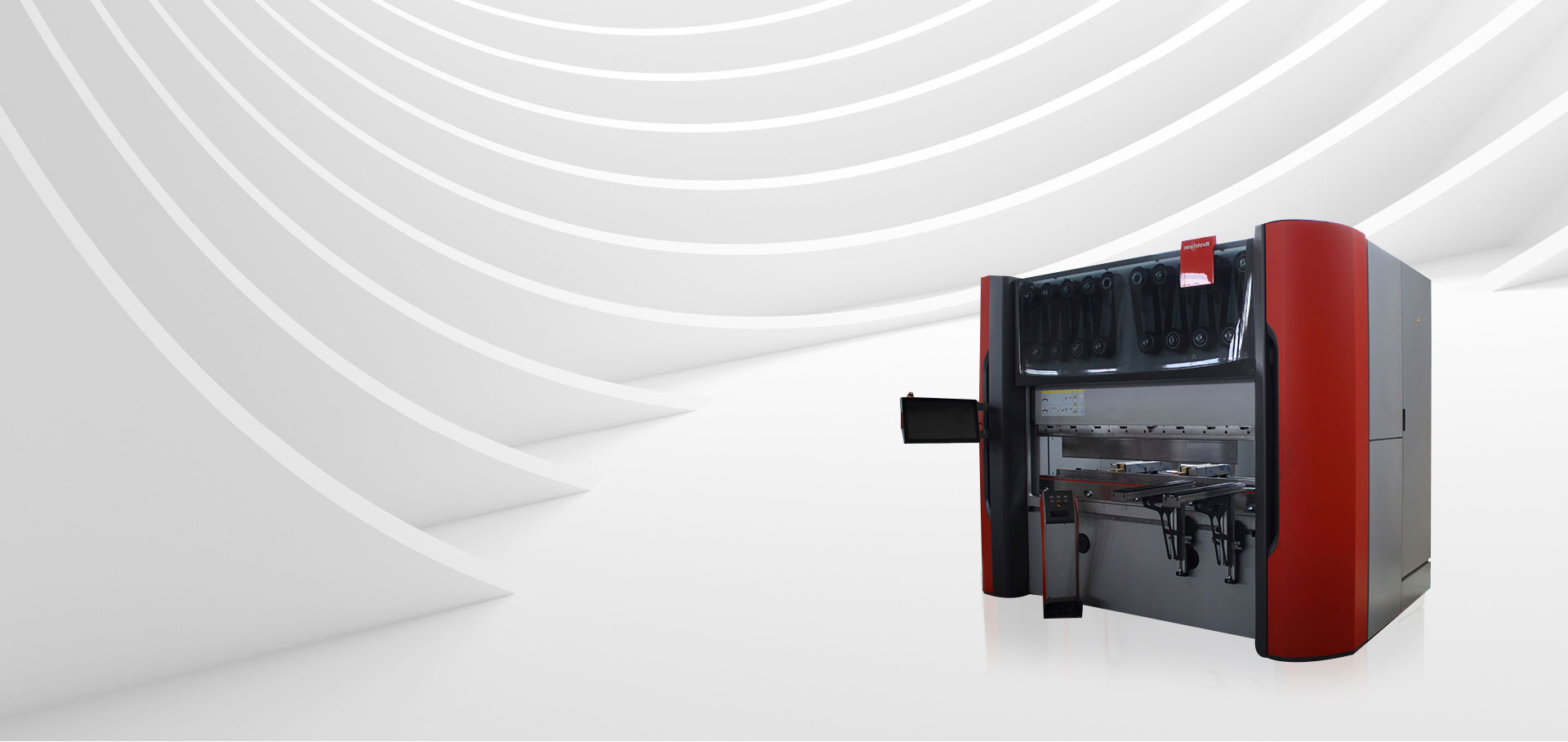
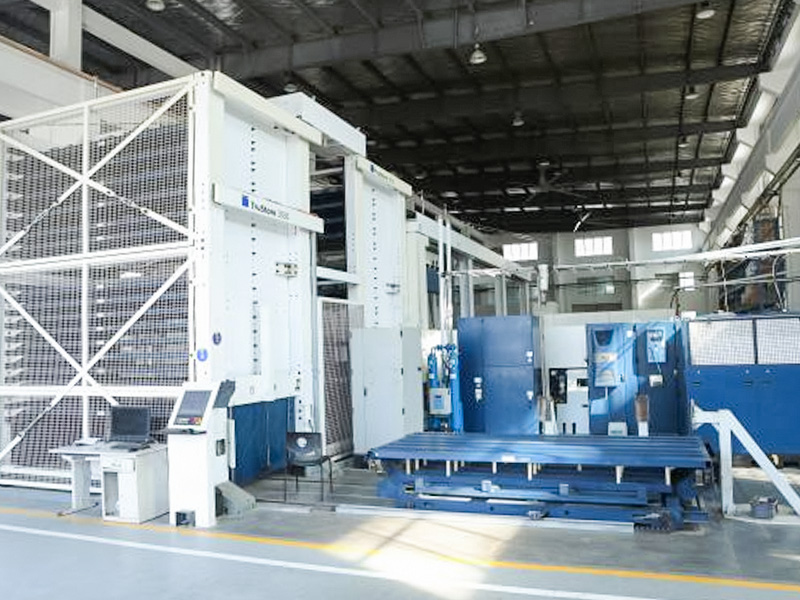
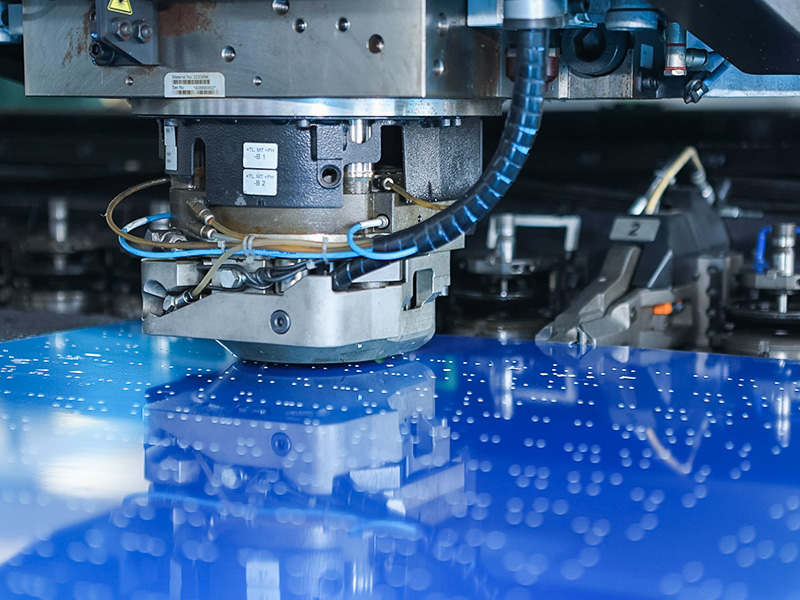
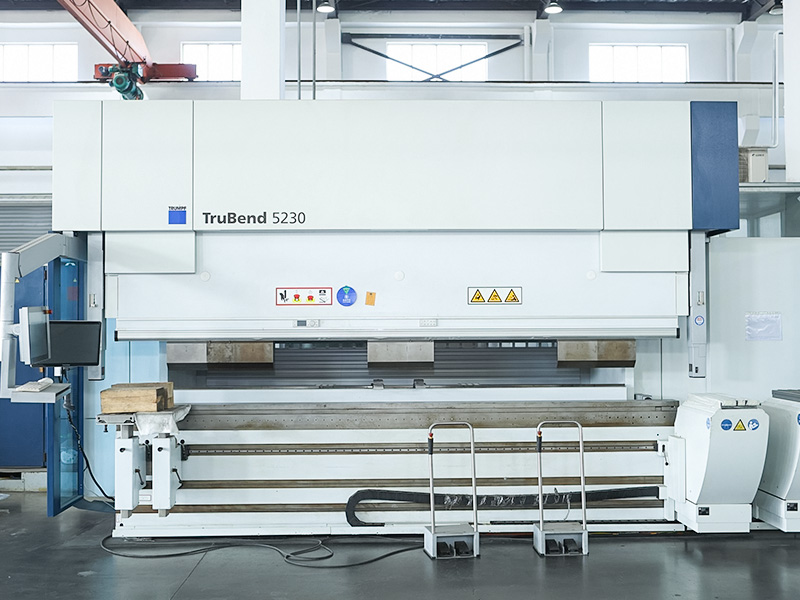
Sheet metal fabrication equipment forms the backbone of modern manufacturing, enabling precise cutting, bending, and assembling of metal sheets into functional products. The right combination of equipment determines production efficiency, product quality, and operational profitability. Understanding each machine's capabilities and limitations is essential for making informed investment decisions.
Essential Categories of Fabrication Equipment
Sheet metal fabrication relies on three fundamental processes: cutting, forming, and joining. Each process requires specialized machinery designed to handle specific tasks with precision and repeatability. Modern fabrication facilities integrate multiple equipment types to create seamless production workflows that transform raw metal sheets into finished components.
The selection of appropriate equipment depends heavily on material thickness, production volume, and required precision levels. Thin gauge materials typically require different tooling compared to heavy plate fabrication, influencing both machine specifications and operational parameters.
| Process Type | Primary Equipment | Typical Applications |
| Cutting | Laser, Plasma, Waterjet, Shears | Blanking, contour cutting, piercing |
| Forming | Press Brakes, Roll Formers, Stamping Presses | Bending, rolling, deep drawing |
| Joining | Welders, Riveters, Fastening Systems | Assembly, structural connections |
| Finishing | Grinders, Deburring, Coating Systems | Surface treatment, edge quality |
Cutting Equipment: Precision and Speed
Cutting operations represent the first step in most fabrication workflows, requiring equipment capable of producing clean edges with minimal material waste. Modern cutting technologies offer varying degrees of precision, speed, and versatility to accommodate diverse manufacturing requirements.
Laser Cutting Systems
Laser cutting has revolutionized sheet metal processing by delivering exceptional precision and minimal heat-affected zones. High-power fiber laser systems can cut through thick materials while maintaining tight tolerances, typically achieving positional accuracy within a fraction of a millimeter. The non-contact nature of laser cutting eliminates mechanical stress on the workpiece, preserving material integrity throughout the process.
- Superior beam quality
- Lower operating costs
- Excellent metal absorption
- Compact footprint
- Proven technology
- Thick material capability
- Smooth edge finish
- Wide material range
Plasma and Waterjet Alternatives
Plasma cutting systems offer cost-effective solutions for thicker materials where extreme precision is not critical. Modern plasma units achieve significantly improved cut quality compared to earlier generations, with tighter kerf widths and reduced bevel angles. The technology excels in applications requiring high cutting speeds on conductive materials, making it popular for heavy industrial fabrication.
Waterjet cutting provides unique advantages for heat-sensitive applications, as the cold cutting process eliminates thermal distortion entirely. This technology handles virtually any material type and thickness, producing smooth edges that often require no secondary finishing. The absence of heat-affected zones makes waterjet ideal for aerospace and medical device applications where material properties must remain unchanged.
Forming Equipment: Creating Three-Dimensional Shapes
Forming operations transform flat sheets into three-dimensional components through controlled deformation. The equipment must generate sufficient force while maintaining precise control over the bending process to achieve consistent results across production runs.
Press Brake Fundamentals
Press brakes remain the workhorses of sheet metal forming, offering unmatched versatility for bending operations. Modern CNC press brakes incorporate sophisticated backgauge systems and angle measurement technologies that ensure repeatable accuracy regardless of material variations. The machines handle a wide range of bend configurations, from simple single-bend parts to complex multi-bend assemblies requiring multiple setups.
| Press Brake Type | Tonnage Range | Best Applications |
| Mechanical | Medium to High | High-volume production |
| Hydraulic | Wide Range | General fabrication |
| Electric/Hybrid | Lower Range | Precision electronics |
Roll Forming and Stamping Presses
Roll forming lines produce continuous profiles with consistent cross-sections, ideal for high-volume production of structural shapes. The process gradually forms metal through a series of roller stations, each making incremental changes to the profile. This method achieves exceptional straightness and dimensional stability compared to other forming techniques.
Stamping presses handle complex forming operations requiring significant force, including deep drawing, embossing, and progressive die operations. High-speed stamping lines can produce hundreds of parts per minute, making them essential for automotive and consumer electronics manufacturing where volume demands are extreme.
Joining Equipment: Assembly Solutions
Joining processes permanently connect formed components into final assemblies, requiring equipment that delivers consistent weld quality or mechanical fastening integrity. The selection of the joining method depends on material compatibility, structural requirements, and aesthetic considerations.
Welding Technologies Overview
MIG and TIG welding remain dominant processes for sheet metal assembly, each offering distinct advantages for specific applications. MIG welding provides higher deposition rates suitable for thicker materials, while TIG delivers superior control for thin gauge work where precision is paramount.
High speed, easy learning curve, excellent for production environments
Superior quality, clean welds, ideal for aluminum and stainless steel
Fast, economical, perfect for overlapping sheet joints
Robotic welding systems have transformed high-volume production by delivering consistent quality while reducing labor costs and improving workplace safety. Modern welding robots incorporate adaptive control systems that adjust parameters in real-time to compensate for part variations, ensuring optimal weld quality throughout production runs.
Equipment Selection Criteria
Selecting fabrication equipment requires careful evaluation of multiple factors that impact both immediate productivity and long-term operational flexibility. Investment decisions should align with current production requirements while anticipating future capacity needs and market developments.
- Material type and thickness range to be processed
- Production volume requirements and batch sizes
- Precision and tolerance specifications
- Available floor space and facility constraints
- Operator skill levels and training requirements
- Maintenance infrastructure and technical support access
Total Cost of Ownership Analysis
Beyond the initial purchase price, equipment ownership entails ongoing costs including maintenance, consumables, energy consumption, and potential downtime. Laser cutting systems, for instance, require significant investment but offer lower per-part costs at higher volumes compared to traditional punching equipment. Conversely, turret punch presses may prove more economical for shops processing diverse part geometries with moderate precision requirements.
Energy consumption represents a substantial operational expense, particularly for high-power cutting equipment. Modern equipment designs increasingly incorporate energy-saving features such as regenerative braking systems and intelligent power management that can reduce electricity costs by significant percentages over equipment lifetimes.
Automation and Digital Integration
Modern fabrication equipment increasingly incorporates automation features that reduce manual intervention while improving consistency and throughput. Material handling systems, automatic tool changers, and integrated quality control mechanisms enable extended unattended operation that maximizes equipment utilization.
Automated loading and unloading systems, tower storage integration, and conveyor connections enable seamless material flow
CAD/CAM connectivity, nesting optimization, and production scheduling systems maximize material utilization
In-process measurement, vision systems, and statistical process control ensure consistent output quality
Industry trends toward smart manufacturing drive equipment manufacturers to embed sensors and connectivity features throughout their product lines. Real-time monitoring capabilities enable predictive maintenance strategies that prevent unexpected failures while optimizing service schedules based on actual usage patterns rather than fixed intervals.
Safety and Operational Requirements
Fabrication equipment presents inherent hazards that require comprehensive safety measures and proper operator training. Regulatory standards mandate specific guarding, interlock, and warning systems that protect personnel while maintaining operational efficiency.
Critical safety features include light curtains, two-hand controls, and physical barriers that prevent operator contact with moving components during operation. Modern equipment designs integrate safety systems directly into machine control architecture, ensuring that safety interlocks function reliably throughout equipment lifetimes.
| Hazard Type | Primary Risk | Safety Measure |
| Mechanical | Crush, pinch, cutting | Guards, interlocks, light curtains |
| Optical | Eye damage, burns | Enclosures, filtered windows |
| Respiratory | Fume inhalation | Extraction systems, ventilation |
| Electrical | Shock, arc flash | Lockout/tagout, enclosed panels |
Proper ventilation systems prove essential for cutting and welding operations that generate hazardous fumes and particulates. Air filtration systems must be sized appropriately for equipment power levels and material types, with regular filter maintenance ensuring continued effectiveness.
Maintenance and Longevity Considerations
Equipment longevity depends substantially on maintenance practices that preserve machine accuracy and reliability over extended service lives. Preventive maintenance programs should address both mechanical components and control systems, with particular attention to high-wear items subject to routine stress.
- Daily inspections verify fluid levels, check for unusual sounds or vibrations, and confirm safety system functionality
- Weekly maintenance includes cleaning critical components, inspecting filters, and lubricating specified points
- Monthly checks examine belt tension, alignment, and electrical connection integrity
- Annual servicing involves comprehensive calibration verification and major component inspection
Investment in proper maintenance training for operators and maintenance personnel yields substantial returns through reduced downtime and extended equipment life. Many equipment problems originate from improper operation rather than inherent machine deficiencies, underscoring the importance of comprehensive training programs.
Future Trends in Fabrication Equipment
The fabrication equipment industry continues evolving toward greater automation, connectivity, and sustainability. Emerging technologies promise enhanced capabilities while addressing environmental concerns and skilled labor shortages that challenge traditional manufacturing approaches.
Artificial intelligence integration enables machines to optimize their own parameters based on real-time feedback, improving quality while reducing setup times. Machine learning algorithms analyze process data to identify optimal cutting conditions for new materials or complex geometries, transferring expert knowledge directly into equipment control systems.
Hybrid Manufacturing: Combining additive and subtractive processes in single platforms for complex part production
Green Manufacturing: Energy-efficient designs, regenerative systems, and sustainable coolant alternatives
Remote Operation: Cloud-based monitoring, remote diagnostics, and virtual commissioning capabilities
Flexible Automation: Modular robotic cells that adapt to varying product mixes and volumes
Sustainability concerns drive the development of equipment that consumes less energy, generates less waste, and operates with environmentally responsible consumables. Manufacturers increasingly consider environmental impact alongside traditional metrics when evaluating equipment investments, recognizing that sustainable practices often align with cost reduction objectives.
Making Strategic Equipment Investments
Successful fabrication operations require strategic equipment portfolios that balance capability, capacity, and cost considerations. Rather than purchasing individual machines in isolation, thoughtful facilities develop integrated production systems where equipment capabilities complement each other throughout manufacturing workflows.
The most successful fabrication operations maintain equipment diversity that enables flexible response to changing customer demands while developing core competencies in specific processes that differentiate their capabilities from competitors. This balanced approach provides both immediate productivity and long-term adaptability essential for sustained business success.
Understanding the full spectrum of available fabrication equipment empowers decision-makers to select appropriate technologies for their specific applications. Whether establishing new facilities or upgrading existing capabilities, informed equipment choices determine competitive positioning and operational efficiency for years to come.