Content
Sheet metal fabrication equipment forms the backbone of modern manufacturing, enabling the transformation of flat metal sheets into complex, functional parts. The strategic selection and integration of cutting, forming, joining, and finishing machinery directly dictate a facility's production capacity, precision, and overall profitability. By utilizing a well-balanced combination of advanced machinery, manufacturers can reduce material waste by up to a significant margin and cut down setup times by nearly half, ensuring high-quality outputs that meet strict industry standards.
Cutting is the foundational step in the fabrication process, where raw metal sheets are sheared into required shapes and sizes. The choice of cutting equipment depends heavily on the material type, thickness, and required edge quality. Modern fabrication relies on several primary cutting methods, each offering distinct advantages for specific applications.
Laser cutting utilizes a highly focused beam of light to melt, burn, or vaporize metal. This method is renowned for its exceptional precision and clean edges, often eliminating the need for secondary finishing operations. Fiber laser technology, in particular, has revolutionized the industry by offering greater energy efficiency and the ability to cut highly reflective materials like copper and brass. For instance, a modern laser cutter can process intricate geometric patterns with a minimal heat-affected zone, ensuring the structural integrity of thin metal sheets remains uncompromised.
For thicker materials, plasma cutting is often the preferred method. It sends an electric arc through a gas, creating plasma hot enough to cut through heavy steel plates rapidly. While not as precise as laser cutting, modern plasma systems have greatly improved edge quality. Alternatively, waterjet cutting uses a mixture of water and abrasive material to slice through metal. Because it generates virtually no heat, waterjet cutting is ideal for materials that are sensitive to high temperatures, preventing any warping or metallurgical changes.
| Cutting Method | Best Material Thickness | Heat Affected Zone | Primary Advantage |
|---|---|---|---|
| Laser Cutting | Thin to Medium | Small | High precision and speed |
| Plasma Cutting | Medium to Thick | Medium | Fast cutting of heavy plates |
| Waterjet Cutting | Very Thin to Very Thick | None | No heat distortion |
Once the sheet metal is cut, it must be formed into its final three-dimensional shape. This stage relies on applying force to deform the metal without breaking it. The equipment used must provide consistent pressure and precise control to achieve accurate angles and curves.
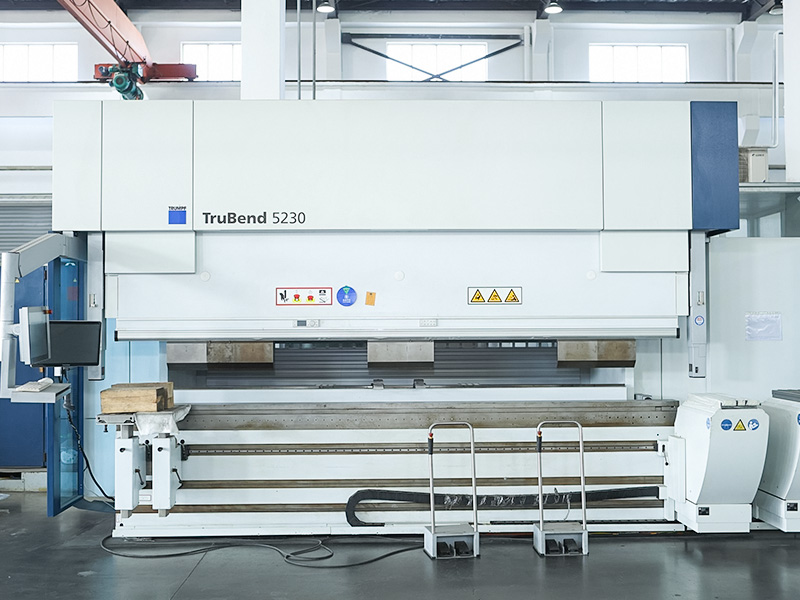
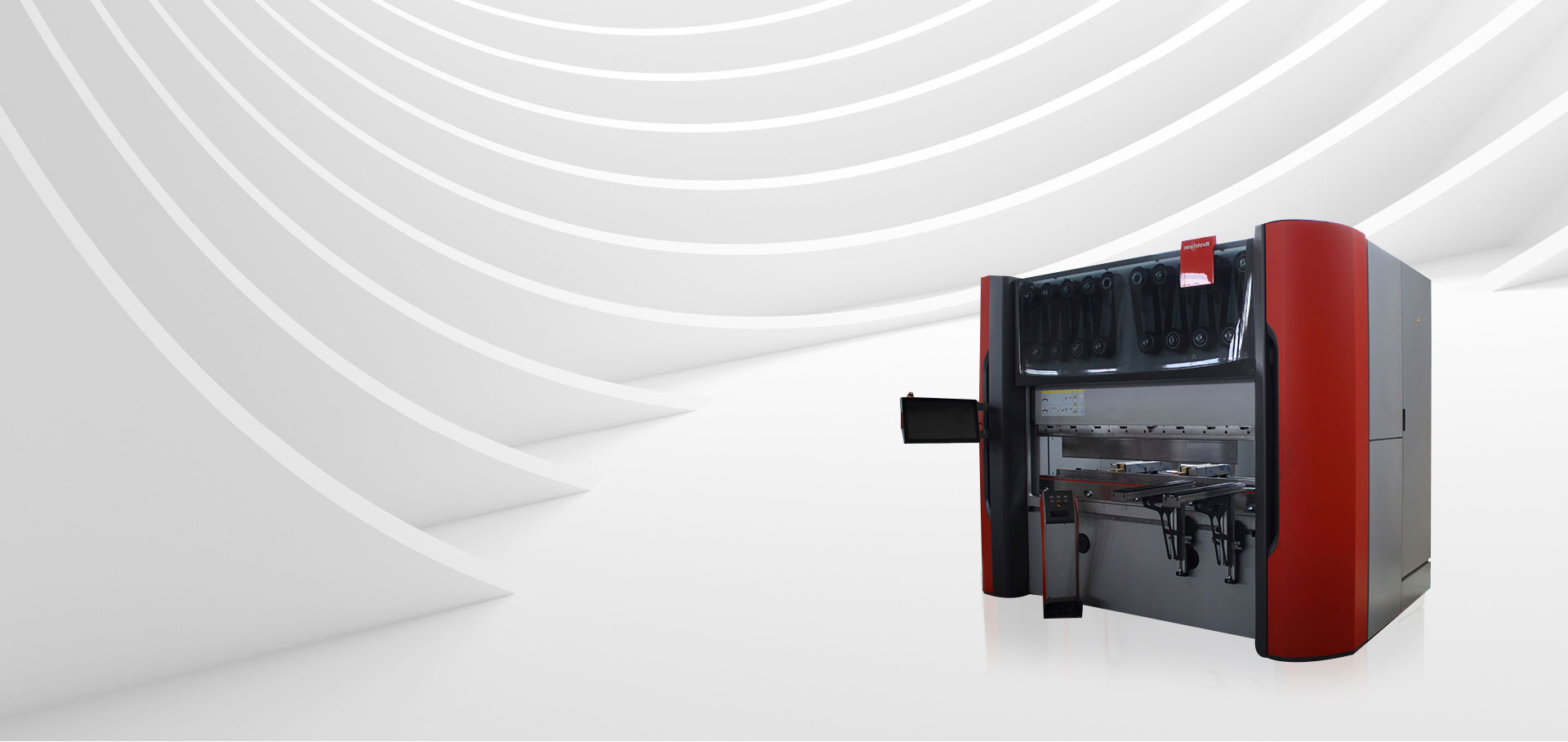
The press brake is the most vital piece of forming equipment in any fabrication shop. It uses a punch and die set to bend sheet metal at predetermined angles. Computer Numerical Control (CNC) press brakes have transformed this process by allowing operators to program complex bend sequences. Advanced features like adaptive bending use sensors to monitor material springback in real-time, making micro-adjustments on the fly. This level of automation can reduce scrap rates and improve bending accuracy dramatically, especially when working with high-strength alloys that have unpredictable yielding behaviors.
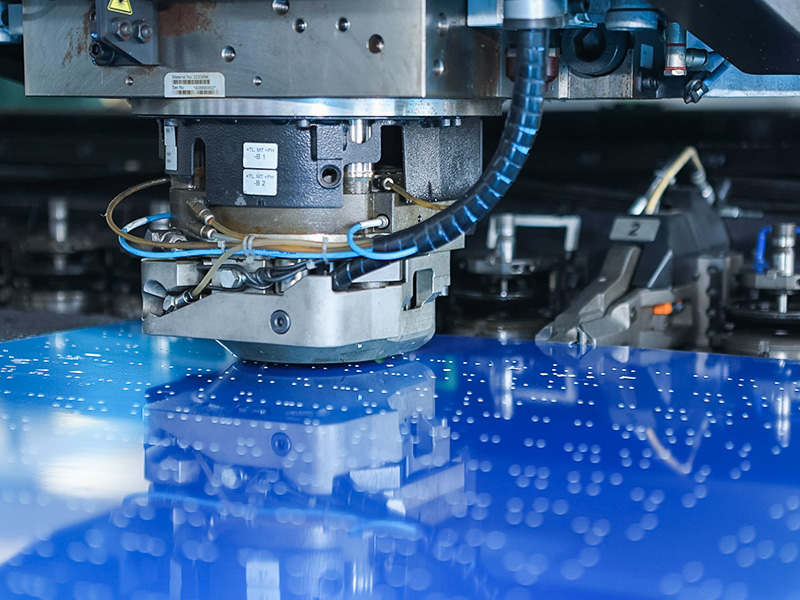
For high-volume production, punching and stamping presses are indispensable. Turret punch presses can rapidly create multiple holes, louvers, and other geometric features in a single sheet by moving the material under a stationary punching head. Stamping presses, on the other hand, use custom-designed dies to form or cut metal in a single stroke. These machines are incredibly efficient for mass-producing identical components, such as automotive body panels or electronic enclosures, ensuring uniformity across thousands of parts.
After individual components are cut and formed, they must be assembled. The joining process requires equipment that can create strong, durable bonds capable of withstanding the operational stresses of the final product.
The final stage of fabrication involves refining the surface of the metal to improve its appearance, durability, and resistance to corrosion. Proper finishing equipment is essential for delivering a market-ready product.
Deburring machines are used to remove sharp edges and burrs left over from the cutting process, ensuring safe handling and proper fitment during assembly. Following this, parts may undergo surface treatment such as powder coating or wet painting. Powder coating systems involve electrostatically applying dry powder to the metal surface, which is then cured under heat to form a hard, protective skin. A high-quality powder coat can extend the lifespan of outdoor metal equipment by several decades by providing superior resistance to chipping, scratching, and fading. Additionally, passivation and anodizing tanks are used for stainless steel and aluminum parts respectively, altering the surface chemistry to enhance natural corrosion resistance.
The future of sheet metal fabrication lies in the integration of smart technologies and automation. Modern equipment is rarely operated in isolation; instead, it is linked through sophisticated software systems that monitor every aspect of production.
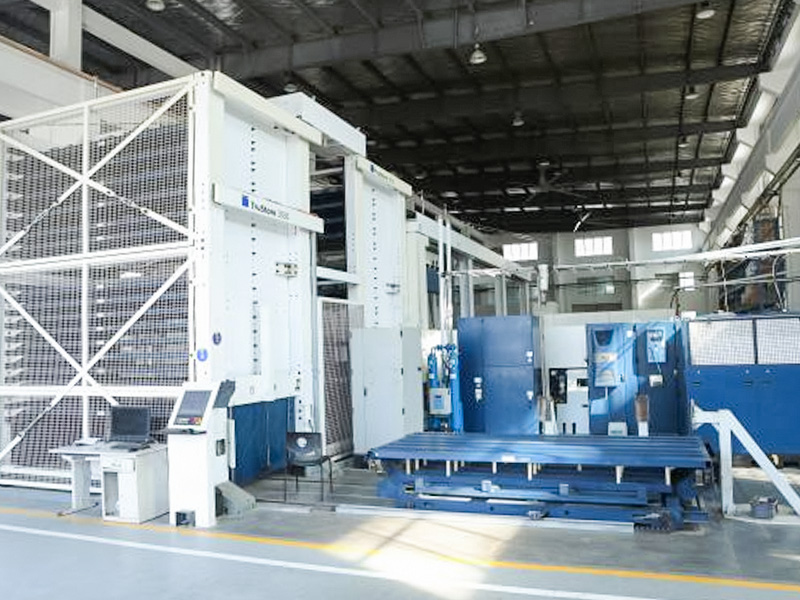
Robotic arms are increasingly being used for material handling, loading raw sheets onto cutting tables, and unloading finished parts. This not only frees up human operators for more complex tasks but also allows machines to run continuously, even during unstaffed night shifts. Furthermore, the integration of Internet of Things (IoT) sensors allows managers to track machine performance in real-time. By analyzing data on spindle hours, tool wear, and energy consumption, facilities can implement predictive maintenance schedules, avoiding costly unplanned downtime. Smart integration ultimately transforms a traditional fabrication shop into a highly efficient, lean manufacturing environment.
Investing in fabrication equipment requires careful planning. Facilities must evaluate their typical production runs, material types, and future growth projections. A shop specializing in prototype development will prioritize flexible, easily reconfigurable machines like CNC lasers and press brakes. Conversely, a facility dedicated to mass-producing a single component will benefit more from dedicated stamping lines and automated welding cells. Evaluating the total cost of ownership, including energy consumption, tooling requirements, and maintenance needs, is vital for making a sound long-term investment.













 +86-13771171111 +86-13338110517

 English
 中文简体
中文简体 日本語
日本語 Deutsch
 Español
 Bahasa Melayu