Content
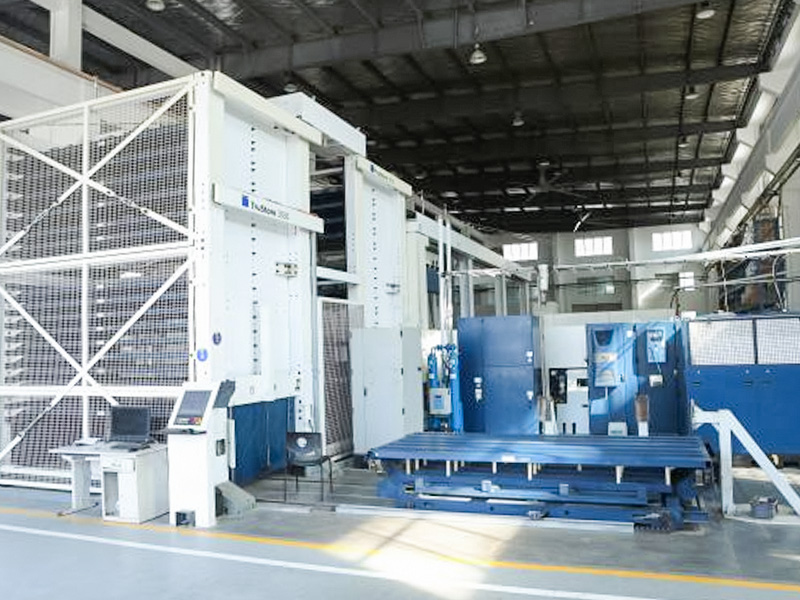
Sheet metal fabrication equipment is the core hardware foundation of modern industrial manufacturing, which integrates cutting, bending, stamping, forming, welding, and surface treatment functions. High-performance sheet metal processing equipment can increase production efficiency by more than 60% and reduce the material waste rate to below 5%, and is widely used in construction, electronics, automobiles, aerospace, medical equipment, and other fields. The complete set of equipment systems replaces traditional manual processing, realizes automated, precise, and large-scale sheet metal production, and becomes an indispensable key support for the global manufacturing industry.
The core value of this equipment system lies in solving the pain points of low precision, low efficiency, and high cost in manual sheet metal processing. With the iteration of intelligent technology, modern sheet metal fabrication equipment has realized digital control and real-time monitoring, which can adapt to the processing of various metal materials such as steel, aluminum alloy, copper alloy, and stainless steel, and meet the customized and mass production needs of different industries at the same time. For manufacturing enterprises, configuring a complete and matching sheet metal processing equipment system is the core way to improve product quality, shorten delivery cycles, and enhance market competitiveness.
Sheet metal fabrication equipment is divided into multiple categories according to processing procedures, and each category undertakes unique production tasks. The complete processing flow includes blanking, forming, connection, finishing, and other links, and the matching equipment forms a closed-loop production system. Below, we classify and explain the mainstream equipment in detail.
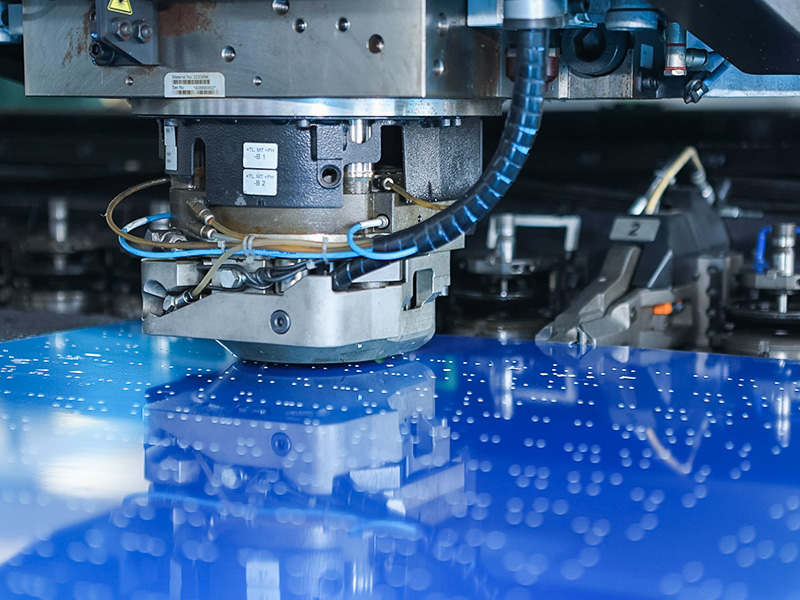
Cutting equipment is used to separate large sheets into specified sizes and shapes, which is the primary process of sheet metal fabrication. The precision of cutting equipment directly determines the dimensional accuracy of subsequent processing, and high-precision cutting can reduce the repair rate of subsequent processes.
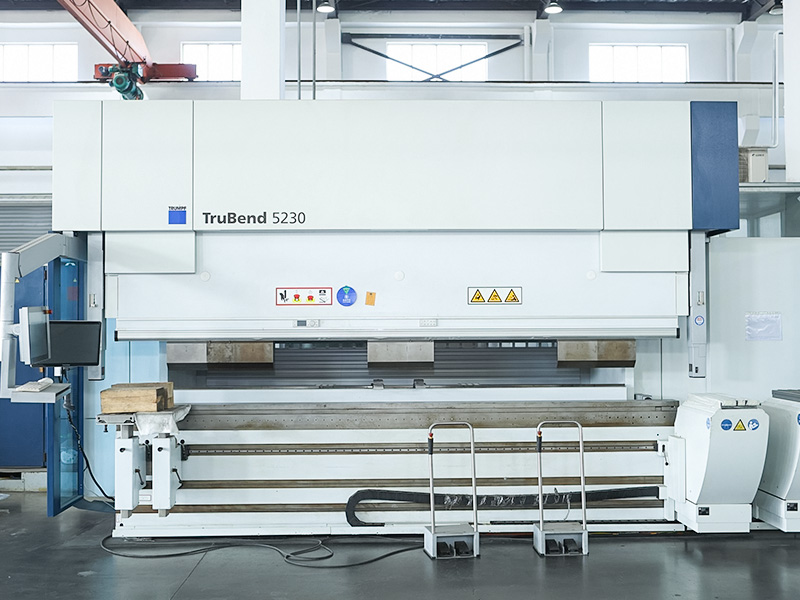
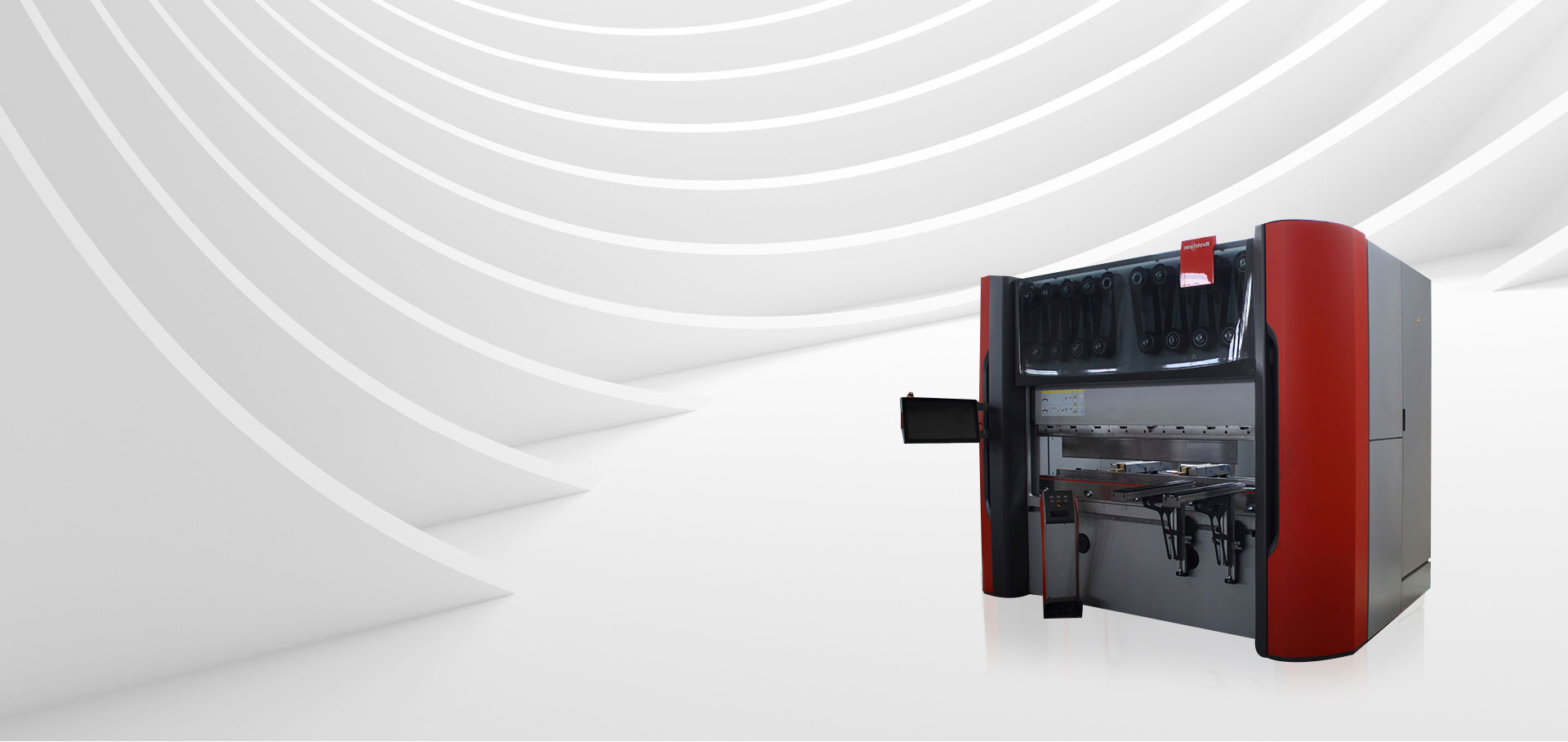
Bending and forming equipment is used to bend flat sheets into angles, arcs, and three-dimensional structures, which is the core process to endow sheet metal products with spatial shape. CNC bending machines can complete complex bending tasks with one-time positioning, and the bending angle error is controlled within ±0.5°, fully meeting the assembly requirements of industrial products.
After cutting and forming, multiple sheet metal parts need to be connected and fixed, and welding equipment is the core tool to achieve a stable connection. Automatic welding equipment can improve the welding strength consistency by more than 70% compared with manual welding, avoiding potential safety hazards caused by unstable welding spots.
Surface treatment equipment is used to improve the corrosion resistance, aesthetics, and wear resistance of sheet metal products, extending the service life of products. After professional surface treatment, the service life of sheet metal parts can be extended by 3-5 times, adapting to harsh working environments such as outdoors and high humidity.
In order to help enterprises choose suitable equipment, we compare the core performance of several representative sheet metal fabrication equipment from the dimensions of processing accuracy, efficiency, cost, and application scenarios. The data comes from the actual application parameters of industrial manufacturing sites, which have strong reference significance.
| Equipment Type | Processing Accuracy | Production Efficiency | Comprehensive Cost | Main Application Scenarios |
|---|---|---|---|---|
| CNC Laser Cutter | Ultra-high | High | Medium-high | Precision parts, complex shapes |
| CNC Press Brake | High | Medium-high | Medium | Bending, forming, structural parts |
| Plasma Cutter | Medium | Ultra-high | Low | Thick plates, rough processing |
| Automatic Welding Machine | High | High | Medium | Structural connection, assembly |
From the comparison results, it can be seen that there are obvious differences in the positioning of different equipment. Enterprises should select equipment combinations according to their own product characteristics and production needs, rather than blindly pursuing high-precision and high-cost equipment. For example, enterprises producing thick steel structural parts can give priority to plasma cutting machines and stamping equipment, while enterprises producing precision electronic casings need to configure laser cutting machines and laser welding machines.
Sheet metal fabrication equipment has penetrated all fields of modern manufacturing, and different industries have customized requirements for equipment performance and processing technology. Below, we elaborate on the core application scenarios and equipment matching schemes of major industries.
The automotive industry is one of the largest users of sheet metal fabrication equipment, which is used to process body frames, doors, engine covers, exhaust pipes, and other components. More than 60% of the structural parts of a car are completed by sheet metal processing equipment, and the requirements for equipment precision and production efficiency are extremely high. Automotive manufacturers usually configure automated production lines integrating laser cutting, CNC bending, stamping, and automatic welding to achieve mass and standardized production.
Electronic equipment such as mobile phones, computers, servers, and household appliances relies on sheet metal casings and internal brackets. This field has extremely high requirements for processing precision and surface finish, and laser cutting machines, precision bending machines, and surface coating equipment are essential. The miniaturization of electronic products promotes the upgrading of sheet metal equipment to micro-precision processing, and the equipment can process ultra-thin metal sheets below 1mm.
The aerospace field has strict requirements on the strength, weight, and precision of sheet metal parts, and the processing equipment must meet high-standard technical indicators. Equipment such as high-power laser cutting machines, CNC roll-bending machines, and precision welding machines is used to process aircraft shells, wing components, and engine parts. The sheet metal parts processed by aerospace-grade equipment have a pass rate of over 99.5%, ensuring flight safety.
In the construction field, sheet metal equipment processes aluminum alloy doors and windows, curtain wall frames, ventilation pipes, metal ceilings, and other components. This field focuses on production efficiency and cost control, and shearing machines, bending machines, and plasma cutting machines are widely used. The large-scale sheet metal processing function of the equipment meets the needs of building engineering structures, and the surface treatment equipment ensures that the products have anti-corrosion and weather resistance characteristics.
Medical equipment, such as diagnostic instruments, operating tables, and medical carts, uses a large number of stainless steel sheet metal parts, which require hygiene, corrosion resistance, and precision. Sheet metal fabrication equipment realizes seamless processing and polishing of medical parts, and the surface treatment process meets medical hygiene standards. The stability and cleanliness of the equipment are the core indicators for selection in this industry.
With the development of Industry 4.0 and intelligent manufacturing, sheet metal fabrication equipment is accelerating the transformation to automation, digitization, and intelligence, which brings subversive changes to the traditional processing model. The intelligent upgrade of equipment is not only a technological iteration, but also a core way to improve the comprehensive competitiveness of manufacturing enterprises.
Modern sheet metal equipment is equipped with an intelligent CNC system, which can import 3D drawing files for automatic programming, without manual adjustment of parameters. The system can real-time monitor the processing status, automatically correct errors, and reduce the dependence on operators' experience. The digital control system can reduce the manual operation time by more than 80% and improve the processing stability, realizing unmanned production in partial processes.
The integrated automatic production line connects cutting, bending, welding, handling, and other equipment through robotic arms and conveyor lines to realize a fully automatic processing flow from raw materials to finished products. The automated line can operate 24 hours a day, increasing the overall production capacity by more than 100% compared with single equipment, and is suitable for large-scale standardized production.
Intelligent sheet metal equipment has a built-in data acquisition module, which can real-time record processing data such as operating time, processing quantity, and equipment temperature. The system can automatically analyze data, predict potential faults, and send early warning information, reducing downtime caused by equipment failures. This function greatly reduces the maintenance cost of enterprises and improves the continuity of production.
The new generation of sheet metal fabrication equipment has strong flexibility and can quickly switch processing programs to adapt to the production of different products. This is especially suitable for the current market demand of small-batch and customized production. Flexible equipment avoids the waste of resources caused by single-function equipment and meets the diversified needs of the market.
For manufacturing enterprises, scientific selection and standardized use of sheet metal fabrication equipment are the keys to maximizing equipment value. Wrong selection will lead to low production efficiency and product quality problems, while non-standard use will shorten the service life of equipment and increase safety risks.
The service life of sheet metal fabrication equipment is closely related to daily maintenance. Regularly maintained equipment can extend its service life by more than 50% and reduce the failure rate by 70%. Daily maintenance includes cleaning the equipment surface, lubricating moving parts, checking circuit systems, and calibrating processing parameters. Operators must receive professional training to master operating specifications and avoid illegal operations that can cause equipment damage and safety hazards.
In addition, enterprises should formulate a complete equipment management system, record the operating status and maintenance records of each piece of equipment, and carry out regular professional maintenance. For core precision equipment, it is recommended to perform regular precision calibration to ensure processing accuracy meets production requirements.
Investing in high-quality sheet metal fabrication equipment is a long-term and high-return investment for enterprises, which can create economic value from multiple dimensions such as efficiency, cost, and quality.
First of all, the equipment improves production efficiency, shortens the delivery cycle, enables enterprises to undertake more orders, and expands market share. Enterprises using automated sheet metal equipment can increase annual orders by more than 50% and achieve rapid growth in revenue.
Secondly, the equipment reduces the manual labor cost. A single piece of automated equipment can replace the workload of multiple workers, reducing the expenditure on labor wages, training, and management. At the same time, high-precision equipment reduces material waste, and the saved material cost directly becomes the enterprise's profit.
Finally, the stability of the equipment ensures the consistency of product quality, reduces the return and repair costs caused by quality problems, and enhances the brand reputation of the enterprise. High-quality sheet metal products can win long-term cooperative customers for enterprises and lay a foundation for sustainable development.
Sheet metal fabrication equipment is an irreplaceable core piece of equipment in modern manufacturing, covering cutting, bending, welding, surface treatment, and other complete processes, with high precision, high efficiency, and high stability. It is widely used in automobiles, electronics, aerospace, construction, medical treatment, and other fields, and is the core driving force for the development of the manufacturing industry.
With the continuous advancement of intelligent manufacturing technology, sheet metal fabrication equipment will develop in the direction of higher precision, stronger automation, and better flexibility, and further reduce production costs and improve production efficiency for enterprises. For manufacturing enterprises, grasping the development trend of sheet metal equipment, selecting and using equipment scientifically, and realizing intelligent upgrading of production lines are the key paths to enhance competitiveness in the future market.
In the future, with the emergence of new materials and new processes, sheet metal fabrication equipment will also usher in more technological breakthroughs, adapt to more complex processing needs, and create greater value for the global manufacturing industry. Whether it is a small processing enterprise or a large manufacturing group, sheet metal fabrication equipment will always be an important part of its production system and a solid support for achieving high-quality development.













 +86-13771171111 +86-13338110517

 English
 中文简体
中文简体 日本語
日本語 Deutsch
 Español
 Bahasa Melayu