

 +86-13771171111 +86-13338110517

 English
 中文简体
中文简体 日本語
日本語 Deutsch
 Español
 Bahasa Melayu


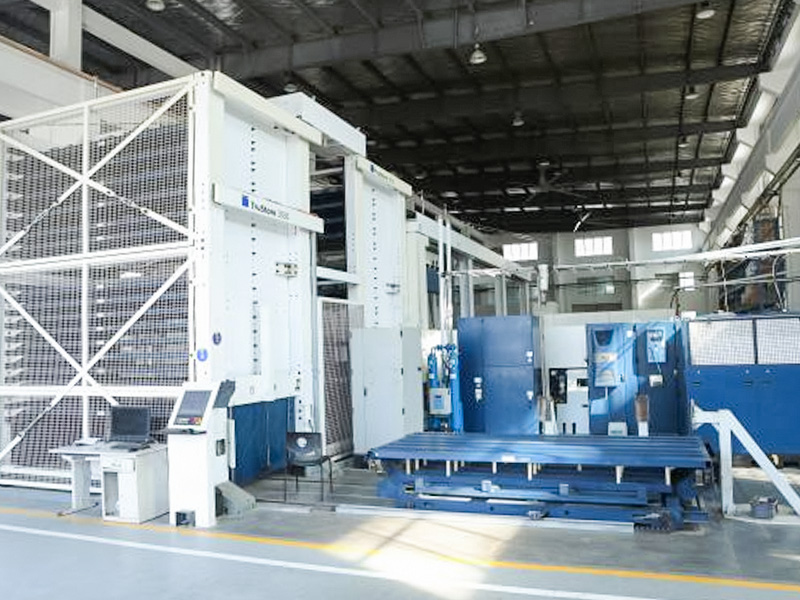
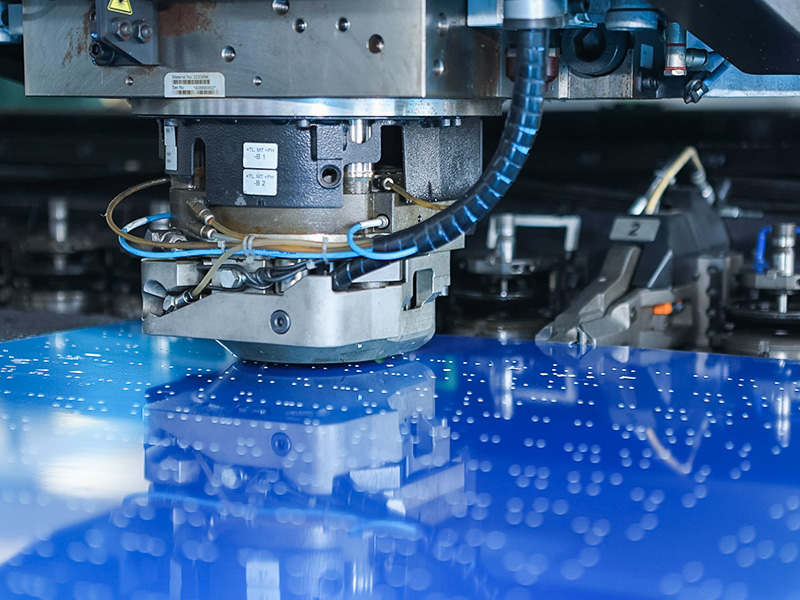
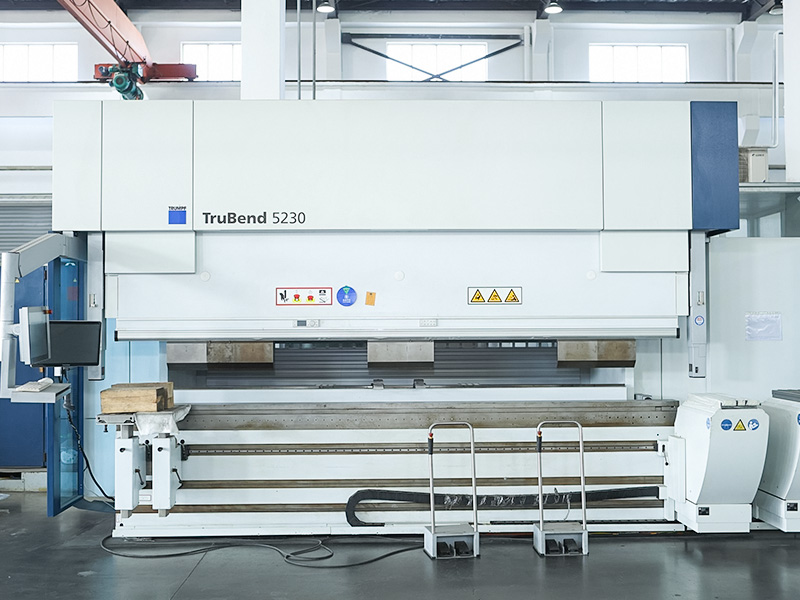
High precision punch presses represent the cornerstone of modern metal forming technology, delivering exceptional accuracy within microns while maintaining high production speeds. These sophisticated machines transform sheet metal into intricate components through controlled force application, serving industries where dimensional tolerance and repeatability are non-negotiable requirements.
Fundamental Working Principles
Understanding how high precision punch presses operate requires examining their mechanical architecture. Unlike conventional presses, precision models incorporate advanced feedback systems and rigid frame constructions that minimize deflection during operation. The driving mechanism converts rotational energy from motors into linear motion, pressing tooling against workpieces with forces ranging from several tons to hundreds of tons.
The core principle involves controlled energy transfer through optimized mechanical linkages. When the crankshaft rotates, it drives the connecting rod, which translates rotational movement into vertical slide motion. This seemingly simple process becomes extraordinary when precision requirements demand positional accuracy measured in hundredths of a millimeter.
Frame Rigidity
The machine frame absorbs tremendous forces during each stroke. High precision models utilize mono-block castings or welded steel structures with ribbing patterns that distribute stress evenly, preventing frame deformation that would compromise accuracy.
Slide Guidance Systems
Linear guide rails with preloaded bearings ensure the slide moves precisely along its intended path. Premium systems achieve straightness errors below 0.01 millimeters over the entire stroke length.
Drive Mechanisms
Beyond standard crank drives, precision presses may employ servo motors, hydraulic systems, or hybrid configurations. Each offers distinct advantages in terms of speed control and force distribution.
Control Systems
Modern precision presses integrate computerized controls that monitor position, force, and speed hundreds of times per second, enabling real-time adjustments that maintain quality consistency.
Critical Performance Parameters
Several interconnected parameters determine whether a punch press qualifies as high precision. These specifications interact in complex ways, meaning improvements in one area often require compromises elsewhere.
| Parameter | Standard Press | High Precision Press |
| Positional Accuracy | ±0.1mm | ±0.01mm or better |
| Repeat Accuracy | ±0.05mm | ±0.005mm |
| Stroke Length Variation | Variable | Controlled within microns |
| Frame Deflection | 0.1mm/ton | 0.02mm/ton or less |
| Operating Speed | Variable by model | Optimized for precision |
The relationship between speed and accuracy presents an ongoing engineering challenge. Higher speeds generate increased vibration and heat, both enemies of precision. Advanced machines address this through dynamic balancing systems and thermal compensation algorithms that adjust for temperature-induced dimensional changes.
Industrial Applications Across Sectors
High precision punch presses find application wherever component quality directly impacts product performance. The electronics industry exemplifies this relationship, where connector pins, lead frames, and shielding components demand tolerances that leave no room for error.
Electronics Manufacturing
Smartphone components, semiconductor lead frames, and precision connectors require tolerances that only sophisticated punch presses can deliver. A typical smartphone contains hundreds of stamped metal parts, each manufactured to exacting specifications.
- Connector terminals with pin spacing accuracy
- EMI shielding cans with precise fold lines
- Battery contact springs with controlled geometry
- Camera module brackets with mounting precision
Automotive Components
Vehicle safety systems depend on precisely manufactured metal components. Brake system parts, sensor housings, and structural reinforcements all require consistent dimensional quality across millions of production units.
- Airbag housing components
- Fuel injection system parts
- Transmission gear blanks
- Sensor mounting brackets
Medical device manufacturing represents another critical application area. Surgical instruments, implant components, and diagnostic equipment housings must meet stringent quality standards where dimensional deviation could have serious consequences. Precision punch presses operating in cleanroom environments produce components with documented traceability and statistical process control.
Selection Criteria for Optimal Performance
Choosing appropriate punch press equipment requires systematic evaluation of production requirements, material characteristics, and quality expectations. Rushed decisions often result in equipment mismatches that compromise both productivity and quality.
Begin selection by defining actual production requirements rather than theoretical maximums. Over-specification increases costs while under-specification creates quality problems. Consider the following evaluation framework:
Production Volume Assessment
- Determine annual production quantities and batch sizes
- Evaluate cycle time requirements per part
- Consider future capacity expansion needs
- Assimble changeover frequency between part numbers
Material Characteristics
- Document material types, thickness ranges, and hardness values
- Calculate required tonnage based on shear strength
- Consider material handling requirements
- Evaluate lubrication and cleanliness needs
Quality Requirements
- Define dimensional tolerance requirements
- Establish acceptable defect rates
- Document inspection methods and frequencies
- Consider statistical process control requirements
Technological Advancements in Modern Systems
The evolution from mechanical to servo-driven punch presses represents a fundamental technological shift. Servo systems eliminate traditional flywheels and clutches, replacing them with precisely controlled electric motors that offer unprecedented flexibility in stroke profiles.
This technology enables programmable stroke patterns where speed varies throughout the forming cycle. A typical approach involves rapid approach to within several millimeters of the material surface, followed by controlled speed reduction during forming, then quick retraction. This profile optimization reduces shock loading while maintaining cycle times comparable to traditional machines.
| Characteristic | Mechanical | Hydraulic | Servo |
| Speed Control | Fixed ratio | Variable | Programmable |
| Stroke Profile | Sinusoidal | Adjustable | Fully programmable |
| Energy Efficiency | Moderate | Lower | Higher |
| Maintenance | Regular | Fluid management | Minimal |
| Initial Cost | Lower | Moderate | Higher |
Digital integration capabilities transform punch presses from isolated machines into connected production nodes. Modern systems communicate with enterprise systems, uploading production statistics, quality measurements, and maintenance alerts. This connectivity enables predictive maintenance strategies that prevent unexpected failures while optimizing service intervals.
Maintenance Protocols for Long-Term Reliability
Precision equipment demands maintenance approaches that differ substantially from conventional machinery. The relationship between maintenance quality and output quality is direct and unavoidable—poorly maintained precision presses quickly become ordinary presses.
Daily Procedures
- Inspect lubrication system function and levels
- Check for unusual sounds or vibrations
- Verify safety system functionality
- Clean die surfaces and surrounding areas
Weekly Procedures
- Examine slide guide condition and adjustment
- Inspect electrical connections and cable condition
- Review production quality trends
- Test counter-balance pressure settings
Monthly Procedures
- Perform detailed geometric accuracy verification
- Analyze lubrication oil condition
- Inspect drive system components
- Calibrate measurement systems
Annual Procedures
- Complete machine accuracy certification
- Replace wear components per schedule
- Update control system software
- Review and update maintenance protocols
Beyond scheduled maintenance, precision presses benefit enormously from environmental control. Temperature stability, humidity management, and vibration isolation all contribute to sustained accuracy. Facilities housing precision punch presses should maintain temperature within narrow ranges to prevent thermal expansion from affecting machine geometry.
Quality Assurance Integration
High precision punch presses must integrate with comprehensive quality assurance systems that verify output quality while providing feedback for process adjustment. This integration takes multiple forms depending on production requirements and quality standards.
In-process measurement systems monitor key dimensions during production, triggering alerts when measurements drift toward tolerance limits. Statistical process control methods analyze measurement data to identify trends before they result in non-conforming products.
| Method | Application | Frequency |
| First article inspection | Verify setup accuracy | Each setup |
| Statistical sampling | Monitor process stability | Hourly or per batch |
| 100% inspection | Critical dimensions | Continuous |
| SPC analysis | Process trending | Ongoing |
Documentation requirements vary by industry but generally include material traceability, process parameters, and quality measurements. Medical and aerospace applications require complete documentation trails that enable traceability from raw material through finished component. These requirements influence equipment selection, favoring machines with integrated data collection capabilities.
Future Development Directions
The trajectory of punch press development points toward increased intelligence, flexibility, and integration. Industry initiatives promote equipment that communicates seamlessly with surrounding systems while adapting to varying production requirements without extensive retooling.
Artificial intelligence applications are emerging in punch press operation and maintenance. Machine learning algorithms analyze vibration patterns, energy consumption, and quality data to predict maintenance needs and optimize operating parameters. These systems learn from accumulated data, gradually improving their predictive accuracy.
Emerging Capabilities
- Self-adjusting stroke parameters based on material variations
- Automated quality assessment through vision systems
- Predictive maintenance with remaining-life estimation
- Energy optimization through intelligent scheduling
- Remote monitoring and diagnostics capabilities
Sustainability considerations increasingly influence equipment design and operation. Energy-efficient drive systems, material utilization optimization, and equipment longevity all contribute to reduced environmental impact. Modern punch presses incorporate regenerative braking systems that capture kinetic energy during deceleration, feeding it back into facility power systems.
Training and Competency Development
Operating high precision punch presses requires skills beyond basic machine operation. Personnel must understand the relationships between machine settings, material behavior, and quality outcomes. Comprehensive training programs address these requirements through structured curricula combining theory and practice.
Effective training encompasses mechanical fundamentals, control system operation, quality assurance methods, and safety protocols. Competency assessment verifies understanding through both written examinations and practical demonstrations. Operators who complete comprehensive programs contribute to sustained equipment performance and quality consistency.
| Module | Content | Duration |
| Mechanical Systems | Drive mechanisms, guides, tooling | Multiple sessions |
| Control Operations | Programming, parameters, diagnostics | Multiple sessions |
| Quality Methods | Measurement, SPC, documentation | Multiple sessions |
| Safety Protocols | Procedures, compliance, emergency | Ongoing |
Continuous learning opportunities maintain operator competency as technology evolves. Regular training updates address new features, process improvements, and lessons learned from quality investigations. Organizations investing in sustained training programs achieve measurably better equipment utilization and quality performance.
Investment Considerations and ROI Factors
Acquiring high precision punch press equipment represents substantial capital investment requiring thorough financial analysis. Beyond initial purchase price, total cost of ownership encompasses installation, training, maintenance, tooling, and operational expenses over equipment lifetime.
Return on investment calculations should incorporate both tangible and intangible benefits. Quality improvements reduce scrap, rework, and customer complaints. Productivity gains enable higher output without proportional cost increases. Equipment reliability reduces unplanned downtime and emergency repair expenses.
- Productivity factors: Cycle time capability, setup efficiency, uptime percentage
- Quality impact: Defect rate reduction, tolerance capability, consistency measures
- Operational costs: Energy consumption, maintenance requirements, tooling life
- Strategic value: Market positioning, customer confidence, capability expansion
The decision between new and refurbished equipment requires careful evaluation. While refurbished equipment offers lower initial cost, it may carry higher maintenance risk and shorter remaining service life. New equipment provides warranty coverage, current technology, and longer depreciation periods but requires higher initial capital outlay.