Content
Metal processing equipment serves as the fundamental backbone of modern manufacturing, transforming raw metal stock into functional, high-precision components. The direct answer to optimizing any fabrication operation lies in strategically matching the specific capabilities of this equipment to the exact material, volume, and precision requirements of the project. By utilizing the correct machinery, manufacturers achieve a significant reduction in material waste and operational costs while dramatically improving production speed and structural integrity. Understanding the core categories, selection criteria, and maintenance requirements of these tools is essential for any industrial operation aiming to maintain a competitive edge in a demanding global market.
Metal processing encompasses a wide array of techniques, each requiring specialized machinery tailored to specific physical and chemical alterations of the workpiece. The industry generally divides these tools into four primary categories based on their primary function.
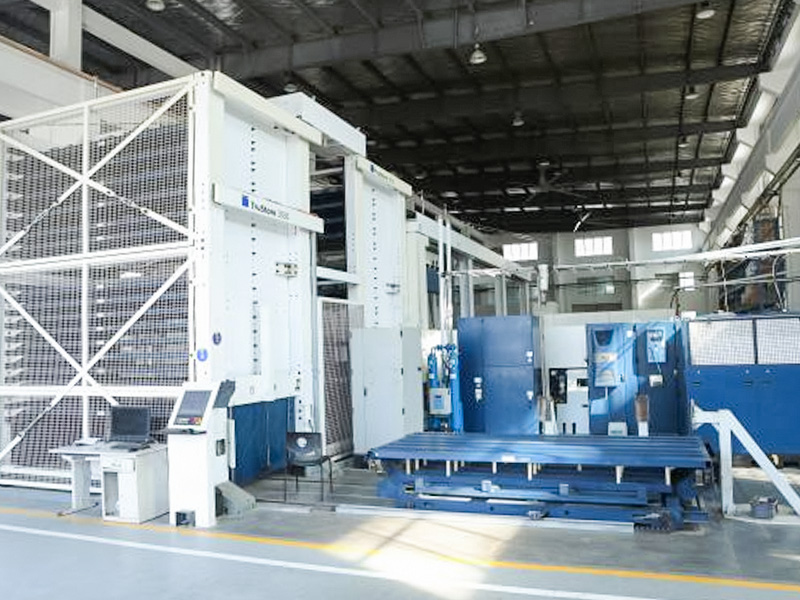
Cutting is the initial step in most fabrication processes, separating bulk material into workable sizes. Modern cutting equipment ranges from traditional mechanical saws to advanced thermal and abrasive systems. Laser cutters utilize highly focused light beams to melt or vaporize metal, offering exceptional precision and clean edges. Plasma cutters employ a high-velocity jet of ionized gas, making them highly effective for cutting thick electrically conductive materials. Waterjet cutting systems use a mixture of water and abrasive particles, which is ideal for cutting heat-sensitive metals since it generates no heat-affected zone.
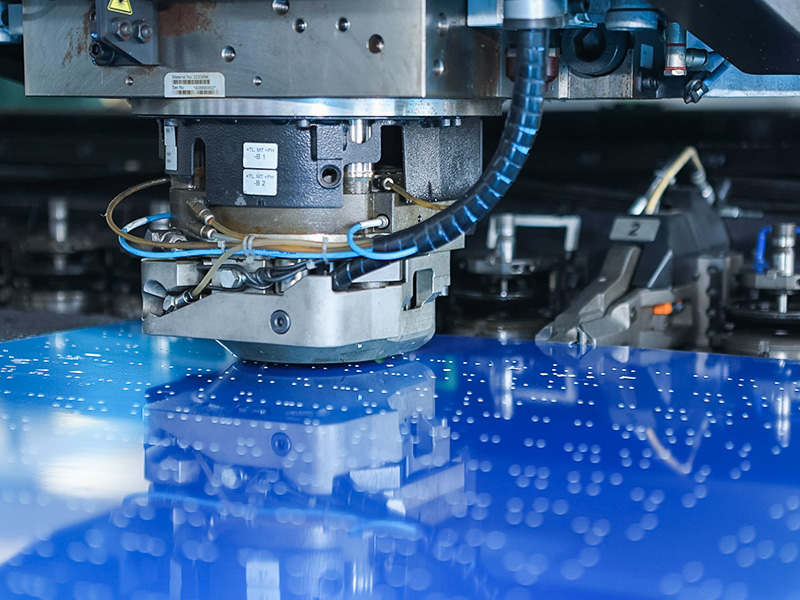
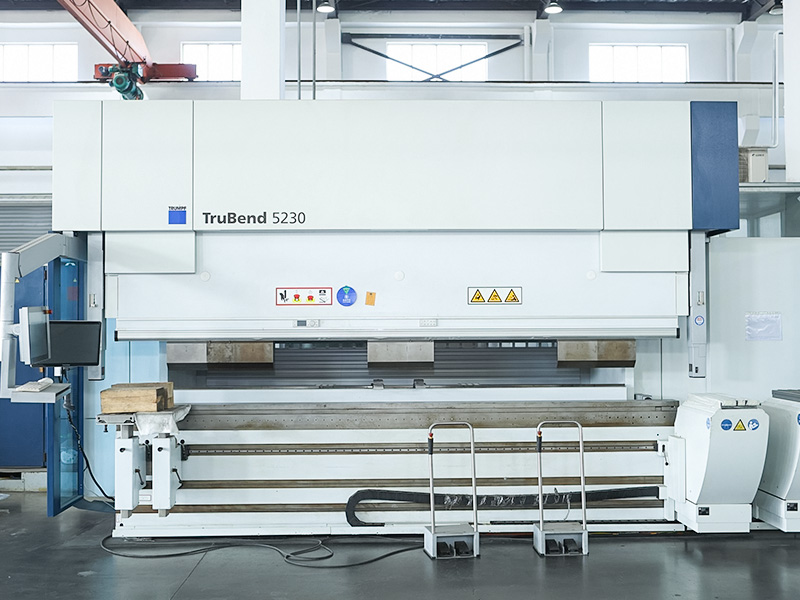
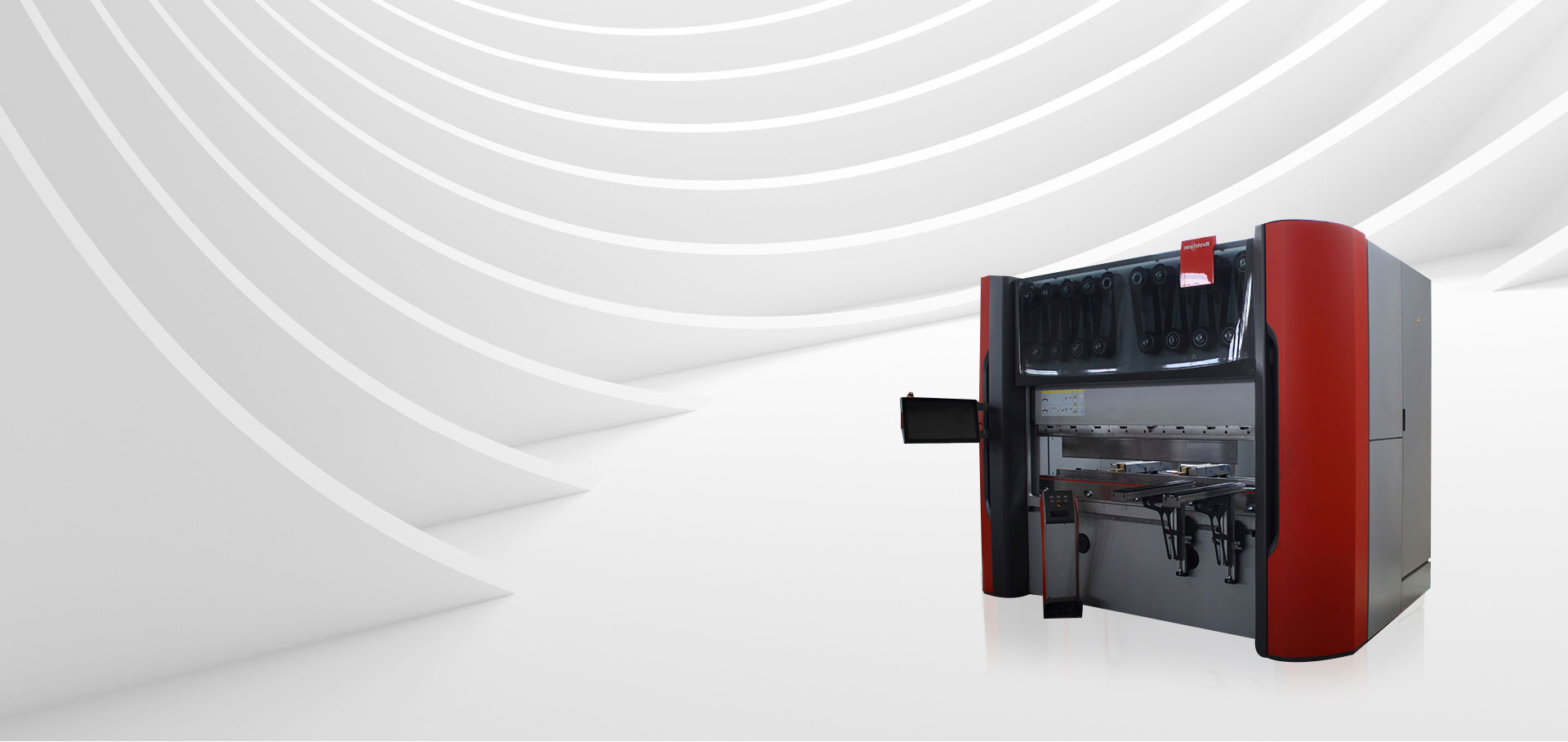
Forming equipment reshapes metal without removing material, relying on applied force to alter the physical geometry. Press brakes are standard in the industry, using paired dies and punches to create precise angles and folds in sheet metal. Rolling machines gradually curve flat sheets into cylindrical or conical shapes. For more complex geometries, stamping presses utilize custom-designed dies to rapidly punch, bend, or coin metal sheets into intricate three-dimensional forms, a process essential for high-volume automotive and consumer electronics manufacturing.
Machining is a subtractive process that removes material to achieve exact dimensions and superior surface finishes. Lathes rotate the workpiece against a stationary cutting tool, making them ideal for creating cylindrical parts. Milling machines, conversely, hold the workpiece stationary while a rotating multi-point cutting tool removes material to produce flat surfaces, slots, and complex pockets. Modern machining centers are heavily automated, utilizing computer numerical control to perform multiple operations on a single workpiece without manual intervention.
Joining equipment fuses multiple metal components into a single assembly. Arc welding systems use electrical power to generate an arc between an electrode and the base metal, melting them together. For applications requiring deep penetration and high speed, laser welding provides a concentrated heat source that minimizes distortion. In high-volume assembly lines, robotic spot welding systems are deployed to rapidly join sheet metal panels by applying pressure and electrical current at specific points.
Investing in metal processing equipment requires a thorough evaluation of both immediate production needs and long-term operational goals. Selecting the wrong machinery can lead to production bottlenecks, excessive waste, and poor product quality.
The metal processing sector is undergoing a rapid transformation driven by digital integration and automation. Traditional mechanical systems are being augmented with intelligent software and sensors, leading to unprecedented levels of efficiency. Computer Numerical Control (CNC) has become the industry standard, allowing operators to program complex paths and operations with microscopic accuracy. This shift has drastically reduced human error and setup times.
Furthermore, the integration of the Industrial Internet of Things (IIoT) has revolutionized equipment monitoring. Modern machines are equipped with sensors that track temperature, vibration, and spindle load in real-time. This data is continuously analyzed to predict potential failures before they occur, enabling a shift from reactive to predictive maintenance strategies. Automation has also expanded through the use of robotic arms for material handling and tool changing, allowing processing centers to run unattended for extended periods, thereby maximizing operational hours and throughput.
When selecting cutting equipment, manufacturers must weigh the benefits and limitations of each technology. The table below provides a comparative overview of the most common thermal and abrasive cutting methods.
| Cutting Method | Primary Advantage | Best Suited For | Limitation |
|---|---|---|---|
| Laser Cutting | High precision and clean edges | Thin to medium sheet metal | Less effective on highly reflective metals |
| Plasma Cutting | Fast cutting speed for thick metals | Thick steel and aluminum plates | Creates a wider kerf and heat-affected zone |
| Waterjet Cutting | No heat distortion, versatile | Heat-sensitive and composite materials | Slower processing speed compared to thermal |
To ensure metal processing equipment operates at peak performance, a rigorous maintenance schedule is mandatory. Neglecting maintenance leads to degraded precision, unexpected downtime, and premature wear of critical components. A structured approach to maintenance involves several critical steps.
The future of metal processing equipment is firmly rooted in sustainability and increased digital integration. As environmental regulations become more stringent, manufacturers are seeking equipment that minimizes energy consumption and reduces material waste. Innovations in nesting software allow cutting machines to arrange parts on a sheet with maximum density, leaving minimal scrap behind. Furthermore, the development of hybrid manufacturing systems, which combine additive manufacturing (3D printing) with traditional subtractive machining in a single workspace, is set to revolutionize how complex metal parts are produced. These advancements will allow for the creation of geometries that were previously impossible, driving the next generation of industrial innovation.












 +86-13771171111 +86-13338110517

 English
 中文简体
中文简体 日本語
日本語 Deutsch
 Español
 Bahasa Melayu